Garden Retaining Wall Options Compared
Compare timber sleepers, natural stone, concrete blocks, and gabion cages for garden retaining walls. Understand costs, lifespan, DIY-ability, and aesthetic fit for your Australian property.
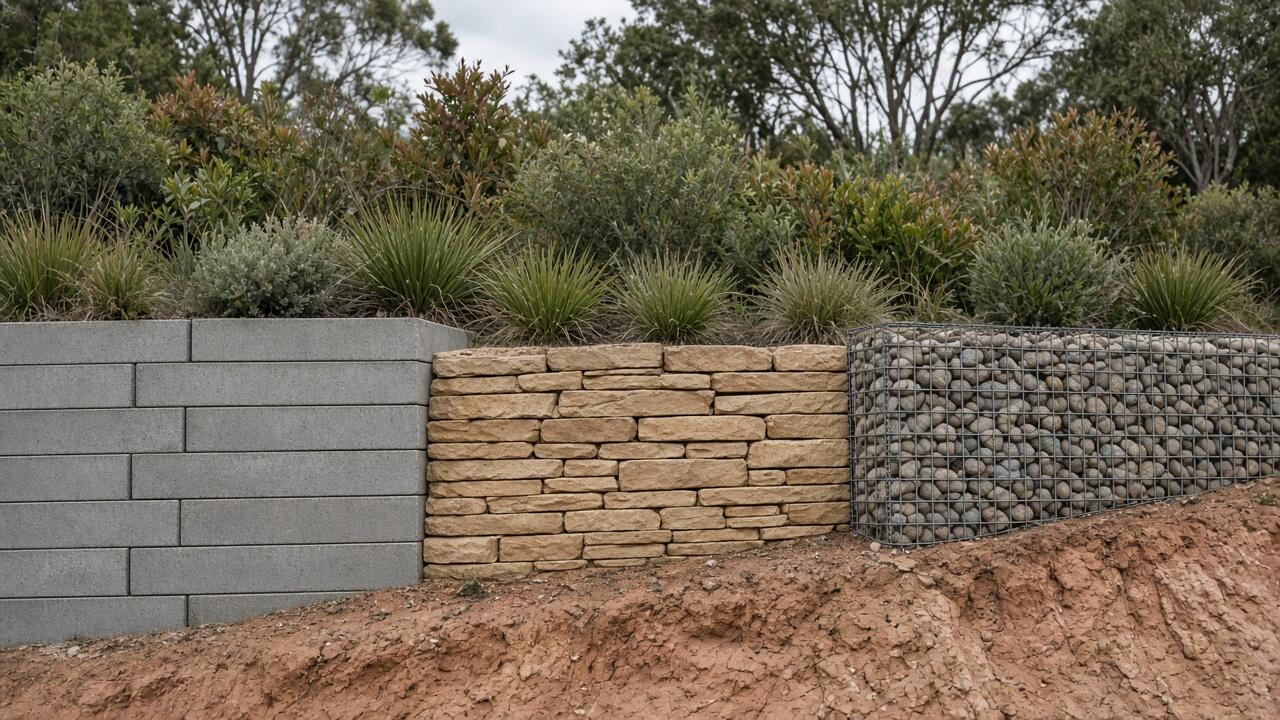
Choosing appropriate retaining wall materials determines project cost, longevity, aesthetic integration, and whether construction suits DIY capability or demands professional installation. Four primary options dominate Australian residential garden walls: timber sleepers (treated pine or hardwood), natural stone (sandstone, bluestone, or random rock), concrete blocks (including manufactured sleepers), and gabion cages (rock-filled wire baskets). Each delivers distinct performance, cost, and visual character.
No single material suits every situation. Budget constraints, wall height, property style, DIY skill level, and Peninsula soil conditions narrow suitable choices substantially. Timber sleepers offer affordable simplicity but limited coastal lifespan. Natural stone delivers premium aesthetics at premium prices. Concrete blocks provide economical durability. Gabions suit modern properties with drainage challenges.
Understanding material characteristics, realistic cost expectations, construction requirements, and long-term maintenance helps property owners select retaining wall solutions matching their functional needs, aesthetic preferences, and budget realities for Melbourne and Peninsula landscapes.
Material Comparison Overview
Each retaining wall type offers specific advantages and compromises.
| Material | Cost (per m²) | Lifespan | DIY-Friendly | Best For | Main Disadvantage |
|---|---|---|---|---|---|
| Treated Pine Sleepers | $150-250 | 10-20 years | Yes (under 0.6m) | Budget walls, temporary, cottage gardens | Rot, termites, shorter life coastal |
| Hardwood Sleepers | $250-400 | 25-40 years | Yes (under 0.6m) | Mid-range, natural look, moderate durability | Cost higher than treated pine |
| Concrete Sleepers | $180-300 | 40-60 years | Moderate | Long-term, modern, low maintenance | Heavy (requires 2-3 people) |
| Sandstone | $300-500 | 50-100+ years | No (professional) | Heritage, premium, warm tones | Expensive, requires skilled installation |
| Bluestone | $400-600 | 100+ years | No (professional) | Melbourne heritage, sophisticated, extremely durable | Most expensive, very heavy, dark colour |
| Concrete Blocks | $180-350 | 50-80 years | Moderate | Economical durability, neat appearance | Industrial look, less character |
| Gabion Cages | $200-400 | 25-50+ years | No (professional) | Modern, excellent drainage, sloped blocks | Industrial aesthetic, bulky |
Cost Context
Costs include materials and typical professional installation. DIY reduces labour component (40-60% of total) but requires appropriate skills, tools, and realistic assessment of capability.
Typical 10m x 0.6m garden wall installed:
- Treated pine sleepers: $1,500-2,500
- Concrete sleepers: $1,800-3,000
- Sandstone: $3,000-5,000
- Gabions: $2,000-4,000
For comprehensive overview of retaining wall types including design considerations and Peninsula-specific factors, see our guide on retaining wall ideas for Australian yards.
Timber Sleepers
Wood remains popular for residential garden walls despite limited lifespan compared to stone or concrete alternatives.
Treated Pine Sleepers
Advantages:
- Most affordable: $150-250 per square metre installed
- Widely available (Bunnings, landscape suppliers)
- DIY-friendly low walls (under 600mm)
- Natural appearance suits cottage and informal gardens
- Easy to cut and modify
- Lightweight (single person can manoeuvre)
Disadvantages:
- Limited lifespan: 10-20 years typical
- Rot and termite susceptible (despite treatment)
- Chemical treatment concerns (not suitable for vegetable gardens without barrier)
- Coastal Peninsula: shorter life (salt accelerates degradation)
- Requires drainage (wood contact with saturated soil fails faster)
- Not suitable high walls (over 1m engineering rarely approves timber)
Best applications:
- Budget-conscious projects
- Low garden beds (400-600mm height)
- Temporary or medium-term solutions
- Cottage or informal garden styles
- Inland properties (longer life than coastal)
Installation notes:
- Vertical sleeper placement most common DIY method
- Steel posts or H-beams anchor sleepers
- Horizontal stacking requires engineering (lateral forces)
- Drainage essential (ag pipe behind wall)
- Treat cut ends (copper naphthenate or similar)
For detailed guidance on treated pine specifications, installation techniques, and when they make sense, see our specific guide on timber sleeper retaining walls pros and cons.
Hardwood Sleepers
Advantages:
- Natural durability: 25-40 years lifespan
- Beautiful timber character (grain, colour variation)
- Stronger than treated pine
- No chemical treatment concerns (safe for vegetable gardens)
- Coastal-suitable (natural decay resistance)
Disadvantages:
- More expensive: $250-400 per square metre installed
- Heavier than treated pine (harder to handle)
- Limited availability (specialist suppliers)
- Still requires maintenance (oil or stain preserves appearance)
- Fire risk (bushfire zones consideration)
Species options:
- Ironbark: extremely hard, very durable, expensive
- Red gum: good durability, moderate cost
- Recycled hardwood: affordable, character, variable quality
- Treated hardwood: best of both (durability plus treatment)
When worthwhile:
- Long-term installation (20+ year horizon)
- Chemical-free food gardens
- Heritage or quality-focused properties
- Budgets accommodating 50-70% premium over treated pine
Timber Maintenance
Extending lifespan:
- Drainage crucial (prevents water contact)
- Annual inspection (check for rot, termite activity)
- Oil or stain every 2-3 years (preserves appearance, mild protection)
- Replace individual sleepers as needed (modular advantage)
- Keep soil below top of timber (air circulation)
Peninsula challenges:
- Coastal salt accelerates degradation
- High humidity promotes rot
- Termites active (regular inspection)
- Wind-driven rain (ensure drainage)
- Consider concrete alternatives coastal properties
Natural Stone
Permanent premium walls delivering maximum aesthetic impact and longevity.
Sandstone
Characteristics:
- Warm tones: buff, cream, ochre, browns
- Softer stone (easier cutting than bluestone)
- Traditional Australian material
- Ages gracefully
- Porous (weathers naturally)
Advantages:
- Beautiful natural variation
- Premium appearance
- 50-100+ year lifespan
- Warmer colour than bluestone (better some properties)
- Suits heritage and contemporary homes
Disadvantages:
- Expensive: $300-500 per square metre installed
- Requires professional installation (heavy, skilled laying)
- Staining susceptible (porous surface)
- Softer than bluestone (chips, wears more easily)
- Limited local quarries (freight adds cost)
Wall types:
- Dry-stack: rustic, permits drainage, skilled installation
- Mortared: formal, structural, requires footings
- Random rubble: most affordable stone, natural character
- Coursed: neater, more expensive (selected stones)
Best for:
- Heritage properties
- Premium budgets
- Feature walls
- Natural Australian aesthetic
- Properties where warm stone tones suit architecture
For comprehensive guidance on sandstone wall construction, selection, and costs, see our dedicated guide on sandstone retaining walls.
Bluestone
Characteristics:
- Dark grey basalt
- Extremely hard and durable
- Melbourne heritage material
- Cold formal appearance
- Local quarrying (Victoria)
Advantages:
- Longest lifespan: 100+ years
- Extremely durable (hardest common wall stone)
- Melbourne architectural tradition
- Local material (supports local industry, lower freight)
- Sophisticated appearance
Disadvantages:
- Most expensive: $400-600 per square metre installed
- Very heavy (machinery required)
- Professional installation essential
- Dark colour (formal, can feel heavy)
- Cold appearance (doesn’t suit cottage styles)
Applications:
- Heritage Melbourne properties
- High-end contemporary designs
- Feature walls (entries, street frontage)
- Properties prioritising longevity over budget
- Modern architecture (bluestone suits clean lines)
Peninsula considerations:
- Quarried Melbourne region
- Freight moderate (local material)
- Suits modern coastal architecture
- Permanent investment
- Overkill for simple garden beds
For detailed cost analysis and when bluestone makes sense for Melbourne properties, see our guide on bluestone paving and walling applications.
Concrete Options
Manufactured concrete products offer economical durability and low maintenance.
Concrete Sleepers
Why popular:
- Affordable durability: $180-300 per square metre installed
- 40-60 year lifespan (outlasts timber)
- Low maintenance (no rot, termites, or treatment)
- Consistent sizing (easier installation than stone)
- Available various finishes (smooth, timber-look, rock-faced)
Advantages:
- Best value long-term (cost divided by lifespan)
- DIY-possible (heavy but manageable 2-3 people)
- Wide availability (Bunnings, specialist suppliers)
- Colour choices (grey, sandstone, charcoal, timber tones)
- Stack easily (interlocking or pinned systems)
Disadvantages:
- Heavy: 60-100kg per sleeper (requires help)
- Less character than timber or stone
- Uniform appearance (manufactured look)
- Can crack (concrete movement)
- Initial cost higher than treated pine
Installation:
- Steel posts driven through sleeper holes
- Or interlocking lip systems (no posts)
- Stack sleepers like Lego blocks
- Level carefully (concrete unforgiving)
- Drainage still essential (prevents water pressure)
Best applications:
- Long-term budget walls
- Modern or contemporary properties
- Low-maintenance priority
- Coastal Peninsula (unaffected by salt)
- Properties where timber doesn’t last
For comprehensive comparison of concrete sleeper specifications, installation, and height limits, see our detailed guide on concrete sleeper retaining walls explained.
Concrete Blocks
Types available:
- Standard concrete blocks (grey, economical)
- Decorative split-face blocks (textured front)
- Interlocking retaining blocks (purpose-built)
- Besser blocks (hollow, versatile)
Advantages:
- Economical: $180-350 per square metre installed
- Very durable: 50-80 years
- Modular (easy to work with)
- Can be rendered or painted
- Strong (suitable higher walls with engineering)
Disadvantages:
- Industrial appearance (unless rendered)
- Mortar joints visible (formal, manufactured look)
- Requires footing (concrete pad)
- Professional recommended (mortar skills)
- Heavy (machinery helpful for large projects)
When they work:
- Budget durability priority
- Industrial or modern aesthetic
- Rendering planned (hides concrete appearance)
- Professional installation (takes advantage of fast construction)
- Higher walls (over 1.2m with engineering)
Gabion Walls
Modern solution particularly suited to drainage-challenged sites.
What Gabions Offer
Unique advantages:
- Excellent drainage (permeable rock-filled structure)
- No hydrostatic pressure buildup (water flows through)
- Flexible structure (accommodates ground movement)
- Modern industrial aesthetic
- Cost-effective materials
Construction:
- Wire mesh cages (galvanised or PVC-coated)
- Filled with rock (75-150mm cobble)
- Stacked to create walls
- Mass provides stability
- Permeability prevents water pressure
Cost factors:
- Moderate: $200-400 per square metre installed
- Gabion baskets: $30-80 each
- Rock fill: $50-80 per tonne
- Installation labour significant (heavy work)
- DIY possible but physically demanding
Best applications:
- Modern coastal properties
- Drainage-challenged sites (Peninsula clay)
- Contemporary architecture
- Sloped blocks requiring terracing
- Properties where industrial aesthetic suits
Limitations:
- Industrial appearance (doesn’t suit heritage or cottage)
- Professional installation recommended (heavy baskets)
- Rock selection affects appearance significantly
- Bulky (300mm+ depth typical)
- Limited softening with planting (structure doesn’t accommodate)
For comprehensive coverage of gabion construction, drainage benefits, and Peninsula coastal applications, see our guide on gabion retaining walls for sloped blocks.
Selection Factors
Matching wall material to site requirements, budget, and aesthetic goals.
Height and Engineering
DIY height limits by material:
- Timber sleepers: 600mm maximum safely
- Concrete sleepers: 800mm maximum (with care)
- Stone dry-stack: 400-600mm maximum
- Blocks: not recommended DIY (mortar skills)
- Gabions: 600mm maximum (physically demanding)
Professional required:
- Any wall over 1m height
- Mortared stone walls (any height)
- Engineered designs (council requirements)
- Surcharge loads (driveway, building above)
- Poor soil (clay, reactive, high water table)
For honest assessment of DIY capability limits and when professional engineering essential, see our guide on building retaining walls DIY versus hiring professionals.
Soil and Drainage
Peninsula clay considerations:
- Timber struggles (constant moisture accelerates rot)
- Concrete unaffected (ideal clay conditions)
- Stone requires excellent drainage (mortared walls)
- Gabions excel (inherent drainage advantage)
Sandy soil advantages:
- Timber performs better (drains naturally)
- All materials perform well
- Drainage simpler (less critical though still important)
- Lighter weight options viable (less lateral pressure)
Drainage requirements (all wall types):
- Agricultural pipe at base (100mm minimum)
- Gravel backfill zone (300mm minimum width)
- Weep holes (mortared walls)
- Surface water diversion (grade away from wall)
For critical drainage principles that determine retaining wall longevity regardless of material choice, see our comprehensive guide on retaining wall drainage requirements.
Aesthetic Integration
Cottage and informal gardens:
- Timber sleepers: natural fit
- Random stone: rustic character
- Avoid: concrete blocks, gabions (too industrial)
Contemporary and modern:
- Concrete sleepers: clean lines
- Gabions: industrial aesthetic
- Bluestone: sophisticated
- Avoid: rustic timber (too informal)
Heritage and period:
- Sandstone: traditional Australian
- Bluestone: Melbourne heritage
- Coursed stone: formal
- Avoid: concrete sleepers (too modern)
Coastal Peninsula:
- Hardwood or concrete: salt-tolerant
- Gabions: wind-resistant
- Bluestone: permanent durability
- Avoid: treated pine (short life coastal)
Budget and Value
Initial cost priority:
- Treated pine sleepers: cheapest upfront
- Concrete blocks: economical durability
- Gabions: moderate (materials affordable, labour significant)
Long-term value:
- Concrete sleepers: best cost-per-year
- Bluestone: maximum lifespan (premium price)
- Sandstone: good value premium category
ROI considerations:
- Visible street frontage: invest in premium (kerb appeal)
- Back garden utility: economical acceptable
- Permanent features: prioritise longevity
- Temporary: cheapest acceptable solution
Installation Considerations
Proper construction ensures long-term performance regardless of material.
Base Preparation
Essential steps (all wall types):
- Excavate to firm ground (remove topsoil)
- 100-150mm compacted crushed rock base
- Level and stable substrate
- Ag pipe installation at base
- Gravel backfill zone preparation
Material-specific footings:
- Timber sleepers: steel posts or H-beams into ground
- Concrete sleepers: compacted base or concrete pad
- Stone/blocks: concrete footing required
- Gabions: compacted gravel adequate (low walls)
Labour Requirements
DIY-appropriate:
- Treated pine sleeper walls (under 600mm)
- Hardwood sleeper walls (under 600mm, requires strength)
- Concrete sleeper walls (under 800mm, requires 2-3 people)
Professional recommended:
- Natural stone (any height)
- Concrete blocks with mortar
- Gabions (physically demanding)
- Any wall over 1m
- Sites with complications (poor soil, high walls, surcharge)
Professional costs:
- Labour component: $80-150 per square metre typical
- Engineering (if required): $800-2,500
- Excavation machinery: $500-2,000 (access dependent)
- Total professional: 40-60% more than materials alone
Material Sourcing
Where to purchase retaining wall materials in Melbourne and Peninsula region.
Landscape Suppliers
Major suppliers:
- Bunnings (timber, concrete sleepers, blocks)
- Australian Landscape Supplies (broad range)
- Boral (concrete products)
- Local quarries (stone, gravel, rock)
Specialist suppliers:
- Timber: Outdoor Timber (hardwood sleepers)
- Stone: Peninsula quarries, Melbourne stonemasons
- Gabions: Landscape supply specialists, online
- Concrete: Adbri, Boral, local manufacturers
Quality Considerations
Timber:
- Check treatment rating (H4 minimum retaining walls)
- Inspect for cracks, knots, warping
- Measure actual dimensions (vary from nominal)
- Fresh stock preferred (check date stamps)
Concrete sleepers:
- Weight indicates quality (heavier = denser)
- Check colour consistency (batch variation)
- Inspect for chips or cracks
- Warranty offered by quality manufacturers
Stone:
- Visit quarry/supplier if possible (see actual material)
- Colour and texture variation (natural, expect variation)
- Size consistency (affects installation ease)
- Local stone reduces freight (Peninsula sandstone, Melbourne bluestone)
When planning significant retaining wall projects, consulting with experienced local landscape suppliers helps avoid common material selection mistakes and ensures specifications match Peninsula soil and climate conditions. Peninsula Hard Yards can advise on material suitability for your specific site and connect you with appropriate products and installation resources. Disclosure: Peninsula Hard Yards is a landscape supply and service partner we occasionally mention when relevant to readers’ projects.
Final Thoughts
Selecting appropriate retaining wall materials balances functional requirements, aesthetic preferences, budget constraints, and realistic assessment of DIY capability versus professional installation. No single material suits every application—timber sleepers deliver affordable simplicity for low garden beds, concrete sleepers provide cost-effective longevity, natural stone creates premium permanent features, and gabions solve drainage challenges with modern industrial character.
Material selection framework:
- Budget priority: treated pine or concrete sleepers
- Long-term value: concrete sleepers
- Premium appearance: sandstone or bluestone
- Modern aesthetic: gabions or concrete sleepers
- Drainage challenges: gabions
- Heritage properties: sandstone or bluestone
Cost comparison (10m x 0.6m wall installed):
- Treated pine sleepers: $1,500-2,500
- Hardwood sleepers: $2,500-4,000
- Concrete sleepers: $1,800-3,000
- Sandstone: $3,000-5,000
- Bluestone: $4,000-6,000
- Concrete blocks: $1,800-3,500
- Gabions: $2,000-4,000
Lifespan expectations:
- Treated pine: 10-20 years (shorter coastal)
- Hardwood: 25-40 years
- Concrete sleepers: 40-60 years
- Stone (sandstone/bluestone): 50-100+ years
- Concrete blocks: 50-80 years
- Gabions: 25-50+ years
DIY vs professional:
- DIY achievable: timber or concrete sleepers under 600-800mm height
- Professional recommended: stone, mortared blocks, gabions, any wall over 1m
- Engineering essential: walls over 1m, surcharge loads, poor soils, council requirements
Peninsula-specific factors:
- Coastal salt: avoid treated pine (short life), choose concrete or hardwood
- Clay soils: prioritise drainage, gabions excel, concrete unaffected
- Wind exposure: solid mass structures (avoid temporary solutions)
- Modern architecture prevalence: gabions and concrete sleepers suit contemporary design
Critical success factors (all materials):
- Proper base preparation (firm substrate, compacted base)
- Adequate drainage (ag pipe, gravel backfill, weep holes)
- Appropriate height limits (engineering for walls over 1m)
- Quality materials (cheap products fail prematurely)
- Realistic DIY assessment (poor installation worse than no wall)
Maintenance expectations:
- Timber: annual inspection, oil every 2-3 years, eventual replacement
- Concrete: minimal (inspect drainage, occasional cleaning)
- Stone: minimal (check mortar joints if mortared, drainage)
- Gabions: check wire condition, clear weep holes, inspect rock
Strategic material selection matching site requirements, architectural context, and budget realities creates functional, attractive, durable retaining walls that manage Peninsula slopes and garden terracing for decades whilst contributing to property character and value. Investing in appropriate materials and proper construction technique—whether DIY or professional—delivers far better outcomes than economising on unsuitable cheap alternatives that fail prematurely, requiring expensive reconstruction whilst delivering poor appearance and functionality during their brief service life.
Need a Hand?
Professional lawn and garden services when you need them. Get a quote from our trusted Peninsula partners.
Contact Mowing Magic or Peninsula Hard Yards →Disclosure: We share links to related local services that serve our readers in the Peninsula area.