Sandstone Retaining Walls
Understand sandstone retaining walls for Australian properties. Compare dry-stack and mortared construction, natural stone aesthetic benefits, cost considerations, and local quarry options for Peninsula and Melbourne projects.
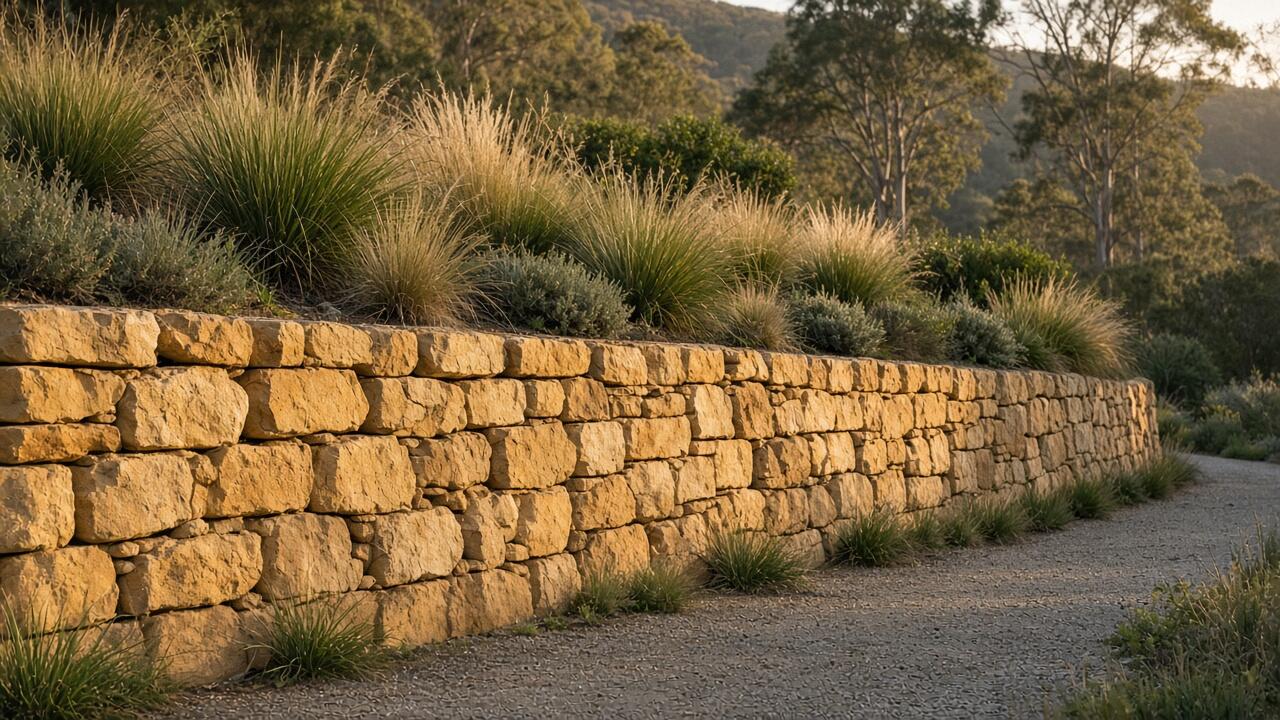
Sandstone retaining walls deliver natural stone aesthetic warmth and texture that manufactured materials struggle to replicate. This sedimentary rock’s layered structure, warm buff-to-grey tones, and substantial mass create walls that feel timeless and harmonious with Australian landscapes, particularly coastal and heritage properties where sandstone’s character suits regional architectural traditions.
Yet sandstone walls demand careful consideration of construction method, height limitations, cost implications, and material quality. Poor execution produces expensive failures; proper design and construction deliver stone walls lasting generations whilst transforming sloped blocks into functional terraced gardens.
Understanding dry-stack versus mortared approaches, realistic cost expectations, and local sandstone suppliers helps property owners make informed decisions about when sandstone walls justify premium costs over concrete sleepers or manufactured alternatives.
Natural Stone Aesthetic Appeal
Sandstone’s visual characteristics create distinctive wall appearance.
Why Homeowners Choose Sandstone
Warm natural tones:
- Buff, cream, ochre, grey variations
- No two stones identical
- Colour variation within individual stones
- Warmer than bluestone’s cool grey
- Suits coastal, heritage, cottage gardens
Layered texture:
- Natural bedding planes visible
- Three-dimensional surface relief
- Shadows create depth
- Changes appearance with light angle
- Organic rather than manufactured look
Substantial presence:
- Large format stones (200-600mm face heights common)
- Mass creates permanence
- Chunky, solid appearance
- Natural stone authenticity
- Complements established plantings
Ages gracefully:
- Weathering enhances character
- Moss and lichen develop (adds charm in some contexts)
- Patina develops over years
- Doesn’t “wear out” like timber
- 50-100+ year lifespan typical
Heritage and regional appropriateness:
- Australian heritage construction used sandstone extensively
- Suits period homes (Federation, Victorian)
- Coastal properties (sandstone traditional material)
- Peninsula properties with sandstone outcroppings
- Regional authenticity (Sydney sandstone particularly iconic)
Aesthetic Limitations
Not universal fit:
- Modern contemporary homes: sandstone can clash (clean-lined materials suit better)
- Formal minimalist landscapes: rustic sandstone texture doesn’t suit
- Ultra-modern builds: manufactured materials more appropriate
- Industrial aesthetic: gabion or steel more sympathetic
- Style alignment critical
Natural variation:
- Can’t specify exact colour (batch variation)
- Some homeowners prefer consistency (manufactured materials)
- Each stone unique (feature or bug depending on preference)
- Requires accepting natural imperfection
- Control freaks may prefer manufactured alternatives
Scale considerations:
- Large format stones overpower small gardens
- Smaller gardens benefit from smaller stone sizes
- High walls (1.5m+) look imposing sandstone
- Low walls (300-600mm) show sandstone at best
- Proportion matters
Dry-Stack vs Mortared Construction
Construction method fundamentally affects wall performance and appearance.
Dry-Stack Sandstone
What it is:
- Stones stacked without mortar
- Friction and gravity hold wall together
- Gaps between stones (soil shows through)
- Traditional rural/farm wall construction
- Rustic, informal appearance
Characteristics:
- Visible gaps between stones
- Informal, cottage aesthetic
- Some movement normal (settles over time)
- Self-draining (water passes through gaps)
- Forgiving of minor ground movement
Height limitations:
- Maximum 600-800mm safely
- Beyond this height: structural engineering required
- Mass and friction provide stability only to limited height
- Higher walls risk collapse
- Most residential dry-stack walls 400-600mm
Suitable applications:
- Garden bed edging (low walls)
- Terracing gentle slopes
- Informal cottage gardens
- Bush properties
- Feature walls (non-structural)
Advantages:
- Lower cost than mortared (no mortar, less labour)
- Natural drainage (no weep holes needed)
- Accepts some ground movement without cracking
- Rustic charm
- Easier DIY (more forgiving)
Disadvantages:
- Height limited (engineering required above 600-800mm)
- Some stone movement inevitable (settles)
- Gaps allow weeds, soil loss
- Less refined than mortared walls
- Not suitable formal gardens
Cost:
- Materials (sandstone): $120-200 per square metre
- Installation: $80-150 per square metre (less than mortared)
- Total: $200-350 per square metre installed
- Budget sandstone wall option
Mortared Sandstone
What it is:
- Stones laid with mortar between courses
- Mortar joints bond wall into single structure
- Formal, refined appearance
- Commercial and high-end residential
- Professional construction essential
Characteristics:
- Neat mortar joints (raked or flush)
- Solid, unified structure
- Minimal visible gaps
- Formal aesthetic
- Requires drainage (weep holes, ag pipe)
Height capability:
- Can achieve 1-1.5m+ heights (with proper engineering)
- Mortar bonds stones into structural unit
- Footings essential (concrete)
- Engineering required for high walls (over 1m typically)
- Drainage critical (no self-draining like dry-stack)
Suitable applications:
- High retaining walls (up to engineering limits)
- Formal gardens
- Heritage properties
- Feature walls and entries
- Commercial landscapes
Advantages:
- Higher walls possible
- Refined, formal appearance
- Solid, permanent structure
- Less maintenance than dry-stack (no settling)
- Suits formal garden styles
Disadvantages:
- Higher cost (mortar, skilled labour)
- Requires proper drainage (water doesn’t pass through)
- Cracking if ground movement significant
- Professional installation essential
- Less forgiving of construction errors
Cost:
- Materials (sandstone + mortar): $150-250 per square metre
- Installation: $150-300 per square metre (skilled stonemason)
- Footings: $50-100 per linear metre
- Total: $350-650 per square metre installed
- Premium retaining wall option
Choosing Between Methods
Choose dry-stack when:
- Low walls only (under 600mm)
- Informal, cottage aesthetic desired
- Budget constrained
- Some settlement acceptable
- Bush or coastal rustic style
Choose mortared when:
- Higher walls needed (600mm-1.5m)
- Formal garden aesthetic
- Heritage property restoration
- Maximum longevity priority
- Budget allows premium cost
Reality check: Most residential sandstone walls under 600mm height work well dry-stack, saving $150-300+ per square metre over mortared construction whilst delivering authentic stone aesthetic. Reserve mortared construction for walls over 600mm or formal contexts where refined appearance justifies premium.
For comprehensive retaining wall height and construction considerations, see our guide on DIY retaining wall limits and when to hire professionals.
Cost Considerations
Sandstone walls sit at premium end of retaining wall material spectrum.
Material Costs
Sandstone blocks (per square metre of wall face):
- Standard sandstone blocks: $120-200
- Premium quarry-selected stones: $180-280
- Random bush rock sandstone: $80-150
- Sawn/dressed sandstone: $200-350+
Variation factors:
- Quarry source (local cheaper)
- Stone quality and selection
- Sawn faces vs natural split
- Size and format (large format more expensive per stone, but less per square metre)
- Colour desirability
Delivery costs significant:
- Stone is heavy (2-2.4 tonnes per cubic metre)
- Local supplier delivery: $100-300
- Distant quarry freight: $300-800+
- Crane unload may be needed (tight access)
- Consider delivery in total cost
Installation Costs
Professional installation rates (Melbourne/Peninsula):
- Dry-stack: $80-150 per square metre
- Mortared: $150-300 per square metre
- Includes labour only (materials separate)
- Stonemason rates higher than landscaper rates
- Experienced installer essential (particularly mortared)
Total installed costs (10m long x 0.6m high = 6 square metres face):
Dry-stack sandstone:
- Materials: $720-1,200
- Installation: $480-900
- Drainage (ag pipe, gravel): $200-400
- Total: $1,400-2,500
Mortared sandstone:
- Materials: $900-1,500
- Installation: $900-1,800
- Footings: $500-1,000
- Drainage: $200-400
- Total: $2,500-4,700
Cost Comparison vs Alternatives
Same wall (10m x 0.6m) in other materials:
Treated pine sleepers:
- Materials and installation: $1,200-2,000
- 10-15 year lifespan
- Informal aesthetic
Concrete sleepers:
- Materials and installation: $1,800-3,200
- 40-60 year lifespan
- Contemporary aesthetic
Dry-stack sandstone:
- Materials and installation: $1,400-2,500
- 50-100 year lifespan
- Rustic natural aesthetic
Mortared sandstone:
- Materials and installation: $2,500-4,700
- 50-100+ year lifespan
- Formal natural aesthetic
Value analysis:
- Sandstone premium: $200-2,500 over timber sleepers
- Dry-stack competitive with concrete sleepers
- Mortared sandstone: premium natural stone option
- Lifespan justifies cost if aesthetic valued
- Natural stone aesthetic commands premium
For comprehensive material comparison across retaining wall options, see our guide on retaining wall ideas for Australian properties.
Sandstone Quality and Selection
Not all sandstone performs equally in retaining wall applications.
Sandstone Grades
Structural grade (best for walls):
- Dense, hard sandstone
- Minimal flaking or delamination
- Able to bear loads
- Higher cost but essential for retaining walls
- Specify structural grade when ordering
Ornamental grade (feature walls only):
- Softer, more porous sandstone
- Can delaminate or flake
- Beautiful but not load-bearing
- Cheaper but unsuitable retaining walls
- Risk of premature failure in structural application
River rock/beach stone:
- Rounded, water-worn sandstone
- Picturesque but poor stacking
- Extremely difficult to build stable wall
- Informal garden decoration only
- Not suitable retaining walls
Bush rock:
- Natural angular sandstone fragments
- Variable quality (some excellent, some poor)
- Requires experienced stonemason to select and place
- Rustic informal appearance
- Lower cost but variable performance
Quality Indicators
Look for:
- Consistent density (not crumbly or soft)
- Minimal visible cracks or fractures
- Clean breaks (not delaminating layers)
- Reasonable colour consistency within batch
- Flat surfaces for stacking (if cut/sawn)
Avoid:
- Flaking or layering (delamination)
- Very soft stone (fingernail scratches it)
- Extensive cracking or fissures
- Badly weathered reclaimed stone
- Extremely irregular shapes (building impossible)
Testing stone quality:
- Tap stone with hammer (solid ring vs dull thud)
- Scratch with metal (structural grade resists)
- Check for loose layers or flaking
- Observe existing stone structures from supplier
- Reputable supplier advice
Stone Sizing
Standard formats:
- 200-300mm face height: smaller stones, more courses
- 400-600mm face height: larger stones, fewer courses
- Depth: 300-600mm typical (deeper = more stable)
- Length: 400-1200mm variable
Choosing size:
- Small gardens: 200-300mm height stones (proportion)
- Large rural properties: 400-600mm stones (substantial)
- Height of wall: taller walls benefit from larger stones (fewer courses)
- Budget: smaller stones often cheaper per tonne (but more labour to lay)
- Aesthetic preference: chunkier vs delicate
Peninsula Quarries and Suppliers
Local sandstone sourcing reduces freight costs and supports regional suppliers.
Sandstone Availability
Peninsula and Melbourne region:
- Limited local sandstone quarries (most sandstone NSW/QLD)
- Peninsula Hard Yards and other landscape suppliers stock sandstone
- Trucked from interstate quarries typically
- Freight significant cost component
- Local stockists reduce delivery costs
NSW sandstone (most common):
- Sydney sandstone: iconic Australian stone
- Gosford and Hawkesbury sandstone: widely available
- Buff to golden tones typical
- Trucked to Melbourne (freight cost)
- Most Victorian landscape suppliers stock NSW sandstone
Victorian stone alternatives:
- Basalt (bluestone): local Victorian stone
- Granite: available but different aesthetic
- True sandstone limited Victorian sources
- Interstate sandstone dominates Melbourne market
Sustainability consideration:
- Interstate freight (carbon footprint)
- Support local suppliers who stock stone
- Reclaimed/salvaged sandstone (lower environmental impact)
- Natural stone vs manufactured (different environmental profiles)
- Personal priorities weigh
Suppliers and Purchasing
Landscape supply yards (Peninsula and Melbourne):
- Stock range of sandstone formats
- View before purchasing (important for natural stone)
- Delivery available
- Advice on suitability and quantity
- Competitive pricing for local stock
Stonemasons and specialists:
- Access to quality structural-grade stone
- Professional advice on selection
- May include installation (bundled pricing)
- Higher expertise but premium cost
- Best for high-end projects
Ordering considerations:
- Order 10-15% extra (breakage, cutting, variability)
- View actual stone before commitment if possible (colour/quality variation)
- Confirm structural grade specification
- Delivery logistics (crane, access, placement)
- Return policy (damaged or unsuitable stone)
Estimating quantities:
- Wall face area (length x height) in square metres
- Stone coverage: 0.5-0.8 square metres per tonne typical (depends on thickness)
- Example: 10m x 0.6m = 6 square metres face = 8-12 tonnes stone
- Supplier calculates from dimensions
- Professional installer quotes including materials
When sourcing sandstone and other natural stone materials for Peninsula landscaping projects, Peninsula Hard Yards stocks a range of quality options and can advise on suitability for your specific retaining wall application. Discussing your project with experienced suppliers helps avoid common material selection mistakes and ensures appropriate stone grade for structural requirements.
Construction Essentials
Proper construction determines wall longevity and performance.
Base Preparation
Critical foundation:
- Excavate below ground level (300mm+ below finished ground)
- Compacted crushed rock base (100-150mm)
- Level and stable
- First course partially buried (increases stability)
- Poor base = wall failure regardless of stone quality
Drainage (non-negotiable):
- Ag pipe behind wall at base level
- 300mm gravel zone behind wall (free-draining)
- Geotextile fabric separates gravel from soil
- Weep holes through wall (dry-stack self-draining)
- Water pressure causes most wall failures
For comprehensive retaining wall drainage requirements, see our guide on garden drainage for Victorian properties.
Construction Techniques
Dry-stack construction:
- Batter wall slightly backward (100mm setback per metre height)
- Largest, flattest stones bottom course
- Stagger joints (don’t align vertically)
- Infill behind stones with gravel as you build
- Tap stones level and secure with rubber mallet
Mortared construction:
- Concrete footing (150mm deep minimum)
- Mortar bed each course (consistent thickness)
- Strike or rake joints (consistent appearance)
- Cure properly (keep damp for days after)
- Install weep holes (100mm PVC pipe every 2m)
Height limitations:
- DIY: maximum 600mm dry-stack
- Professional: up to 1m without engineering (mortared)
- Engineering required: walls over 1m
- Always consider hiring professional for critical walls
- Liability and failure consequences significant
Professional vs DIY:
- Dry-stack walls under 400mm: capable DIY option
- Dry-stack walls 400-600mm: experienced DIY or professional
- Mortared walls: professional essential (stonemason or experienced landscaper)
- High walls or complex designs: professional non-negotiable
- Realistic skill assessment prevents expensive failures
Maintenance and Longevity
Sandstone walls require minimal maintenance but some attention.
Maintenance Requirements
Mortared walls:
- Inspect mortar joints annually
- Repoint damaged joints (prevents water infiltration)
- Clear weep holes (ensure drainage)
- Remove vegetation from joints (roots damage mortar)
- Minimal ongoing effort
Dry-stack walls:
- Monitor for stone movement or settling
- Reset displaced stones if necessary
- Control weeds in gaps (herbicide or hand-weeding)
- Check drainage still functioning
- Accepts some movement (normal)
Both types:
- Clean drainage outlets (ag pipe discharge points)
- Trim vegetation away from wall face (roots can destabilise)
- Inspect after heavy rain (water pooling = drainage issue)
- Address issues promptly (small problems become expensive)
- Annual inspection adequate
Weathering and Patina
Natural aging:
- Sandstone weathers over decades
- Colour softens and mellows
- Moss and lichen may establish (shaded walls)
- Surface texture becomes more pronounced
- Adds character for most homeowners
Managing weathering:
- Pressure wash if moss/lichen unwanted (gentle pressure)
- Sealing optional but alters appearance (not typically recommended)
- Embrace natural patina (part of stone aesthetic)
- Cleaning removes character (consider carefully)
- Natural weathering normal and attractive
Lifespan:
- Structural-grade sandstone: 50-100+ years
- Mortared walls: mortar may need repointing after 30-50 years
- Dry-stack: some stone resetting over decades
- Drainage maintenance extends lifespan indefinitely
- Proper construction = multi-generational wall
Design Integration
Sandstone walls work best integrated into broader landscape.
Planting and Softening
Cascading plants:
- Trailing plants over top of wall (soften edge)
- Rosemary, catmint, trailing native violets
- Softens hard stone edge
- Reduces apparent wall height
- Planting pockets in dry-stack gaps
Feature trees:
- Small trees adjacent to wall (not directly behind)
- Accentuate wall presence
- Provide scale and context
- Japanese Maple, Crepe Myrtle, native small trees
- Frame views and create composition
Garden bed styling:
- Informal cottage plantings suit sandstone
- Perennials and grasses
- Avoid overly formal hedging (clashes with rustic stone)
- Soften with loose, flowing planting
- Sandstone as backdrop to layered planting
Combining Materials
Sandstone and timber:
- Natural material combination
- Timber steps, sandstone walls
- Deck with sandstone edging
- Softens pure stone landscape
- Warm, organic palette
Sandstone and gravel:
- Gravel paths between sandstone walls
- Informal, cottage aesthetic
- Cost-effective combination
- Natural material consistency
- Easy maintenance
Sandstone and sleepers:
- Higher walls: concrete sleeper upper section, sandstone lower
- Cost management whilst retaining stone feature
- Practical for taller retaining walls
- Best of both materials
- Transition carefully (mortar cap between materials)
Final Thoughts
Sandstone retaining walls deliver authentic natural stone aesthetic warmth and substantial presence that transforms sloped Australian properties into functional terraced gardens with enduring character. For properties where natural stone aesthetic suits architectural style and landscape vision, sandstone creates walls that age gracefully over decades whilst providing reliable structural performance with proper construction.
When sandstone walls make sense:
- Heritage or period properties (Federation, Victorian, cottage)
- Coastal or bush properties (sandstone regional appropriateness)
- Garden feature walls and entries (high-visibility statement)
- Rustic or cottage garden aesthetic
- Long-term property ownership (justify premium cost)
Dry-stack vs mortared decision:
- Walls under 600mm: dry-stack delivers rustic aesthetic at moderate cost ($200-350 per square metre)
- Walls 600mm-1.5m: mortared construction required for stability ($350-650 per square metre)
- Informal gardens: dry-stack character suits
- Formal gardens: mortared refinement appropriate
Cost reality: Sandstone walls cost $1,400-4,700 for typical residential applications (10m length x 0.6m height), representing $200-2,500 premium over timber sleepers but competitive with concrete sleepers. Long lifespan (50-100 years) and natural stone aesthetic justify premium when property style and landscape vision align with sandstone’s rustic character.
Material quality critical: Specify structural-grade sandstone (not ornamental grade) for retaining walls. Soft or flaking stone fails prematurely. Reputable suppliers stock appropriate stone and advise on suitability. Initial material quality determines long-term performance—false economy purchasing cheap unsuitable stone.
Construction essentials: Proper base preparation, drainage (ag pipe and gravel backfill), and appropriate batter (backward lean) determine wall longevity regardless of stone quality. DIY appropriate for low dry-stack walls (under 400mm) only. Professional stonemason or experienced landscaper essential for mortared walls or walls over 600mm height.
Peninsula considerations: Limited local sandstone quarrying means most stone trucked from NSW (Sydney/Gosford sandstone). Freight adds cost; local suppliers who stock stone reduce delivery expenses. Peninsula sandy soils suit retaining wall construction (good drainage). Coastal aesthetic complements sandstone’s natural character.
Maintenance minimal: Annual inspection, occasional mortar repointing (mortared walls), weed control (dry-stack gaps), and drainage maintenance sustains performance decades. Natural weathering adds character rather than deteriorating appearance. Long-term cost of ownership lower than materials requiring replacement (timber) or regular maintenance (timber sleepers).
Design integration: Sandstone walls work best softened with informal planting, cottage garden perennials, and cascading plants. Suits rustic, heritage, coastal aesthetics better than formal minimalist or ultra-modern styles. Combining sandstone lower sections with concrete sleeper upper sections manages cost on taller walls whilst retaining natural stone feature.
Sandstone retaining walls suit Australian properties where natural stone aesthetic aligns with architectural style, landscape vision prioritises organic materials over manufactured alternatives, and budget accommodates premium natural stone costs. Strategic use on feature walls, entries, and high-visibility garden elements concentrates sandstone’s character where impact highest whilst managing overall project costs through selective material deployment across broader retaining wall requirements.
Need a Hand?
Professional lawn and garden services when you need them. Get a quote from our trusted Peninsula partners.
Contact Mowing Magic or Peninsula Hard Yards →Disclosure: We share links to related local services that serve our readers in the Peninsula area.