Retaining Wall Ideas for Australian Yards
Practical retaining wall options for sloped Australian properties. Compare materials, understand Peninsula clay challenges, and know when DIY stops and professionals start.
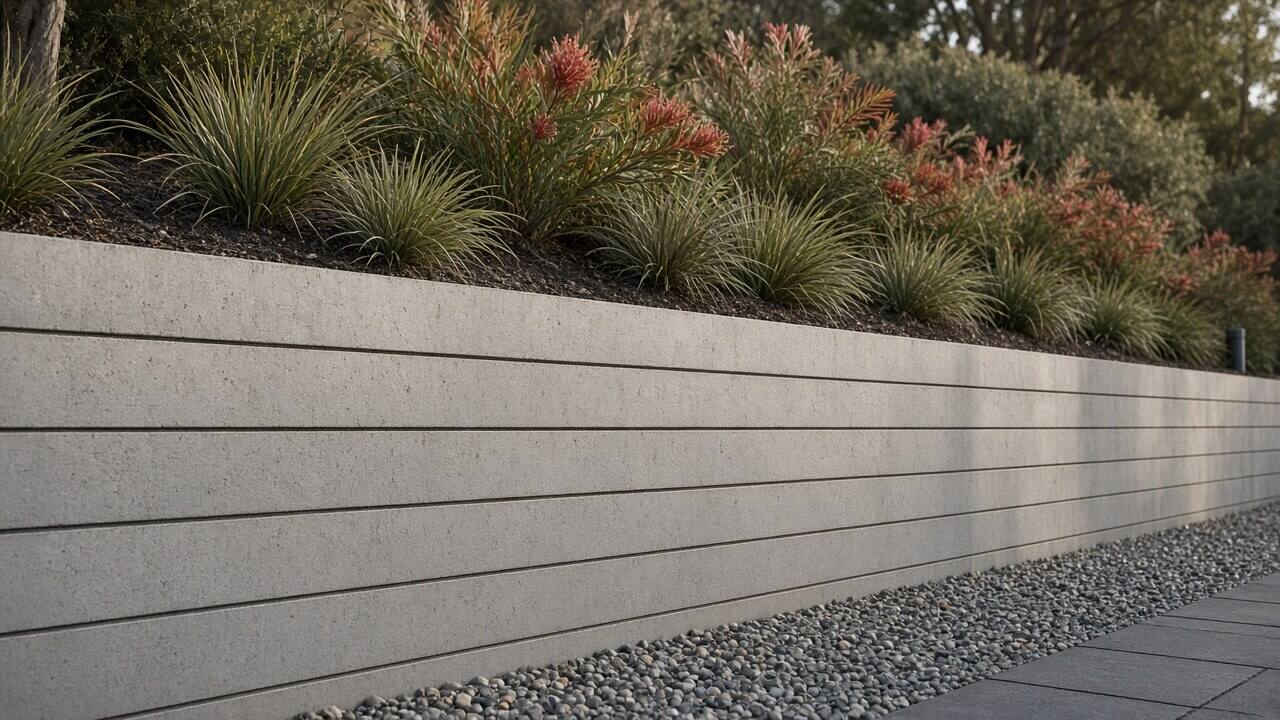
Sloped blocks are common across Australia, and retaining walls are often the solution that makes these properties functional. Whether you’re dealing with a steep grade, creating terraced garden beds, or preventing erosion, the right retaining wall can transform unusable space into usable outdoor living area.
Here’s your complete guide to retaining wall options for Australian yards, with practical insights for Peninsula homeowners dealing with challenging clay soils.
Why Retaining Walls Matter
Retaining walls serve several critical functions:
- Prevent erosion on sloped properties
- Create level spaces for lawns, patios, or gardens
- Manage water drainage and prevent runoff issues
- Add visual interest through terracing and height variation
- Increase usable land on steep blocks
A well-designed retaining wall isn’t just functional - it’s a landscape feature that adds value and improves how you use your property.
Timber Sleeper Retaining Walls
Timber sleepers remain one of the most popular retaining wall choices for Australian homes.
Advantages
- Affordable compared to stone or concrete options
- DIY-friendly for low walls (under 600mm)
- Natural appearance that suits many landscape styles
- Easy to work with - can be cut, drilled, stacked
- Flexible installation on uneven or curved sites
Considerations
- Durability varies depending on timber treatment
- Treated pine is most common - expect 15-25 year lifespan
- Hardwood sleepers last longer but cost significantly more
- Regular maintenance needed to prevent rot
- Height limitations - not suitable for walls over 1 metre without engineering
- Termite risk in some regions
Best For
- Garden bed retaining
- Low walls (under 600mm)
- Budget-conscious projects
- Properties wanting a natural look
- DIY installations
Peninsula clay note: Sleepers work well in clay soils, but drainage behind the wall is absolutely critical. Clay doesn’t drain naturally, so water pressure can push sleeper walls out of alignment within a few years if drainage isn’t addressed properly.
Stone and Rock Retaining Walls
Stone retaining walls offer a timeless, high-end look with excellent longevity.
Natural Stone Options
Bluestone:
- Classic Victorian choice
- Extremely durable
- Professional appearance
- Premium price point
Sandstone:
- Warm, natural tones
- Softer than bluestone (easier to work with)
- Wide range of colours available
- Mid to high price range
Limestone:
- Light colours
- Good durability
- Popular for coastal properties
- Mid price range
Dry Stack vs Mortared
Dry stack stone walls:
- Traditional appearance
- Better drainage (water flows through gaps)
- More flexibility with ground movement
- DIY-possible for experienced homeowners
- Lower to mid walls only
Mortared stone walls:
- More permanent and rigid
- Better for higher walls
- Professional installation recommended
- Requires proper drainage behind wall
- Higher cost
Best For
- Feature walls and premium installations
- Properties wanting natural, permanent materials
- Formal garden designs
- Walls that will be focal points
- Long-term investment
Stone walls handle Peninsula clay well if properly engineered, but they’re heavy - soil bearing capacity matters for higher walls.
Gabion Retaining Walls
Gabion walls (wire cages filled with rocks) offer a modern industrial aesthetic.
Advantages
- Excellent drainage - water flows through naturally
- Flexible - handles ground movement well
- Modern appearance - suits contemporary designs
- DIY-friendly - cages available from landscape suppliers
- Cost-effective for larger walls
- Immediate strength - no curing time needed
Considerations
- Aesthetic preference - not everyone likes the look
- Wire corrosion over time (choose galvanised or coated)
- Rock selection matters - cheaper rock can look cheap
- Space requirement - gabions are thicker than other wall types
- Professional help recommended for walls over 1 metre
Best For
- Contemporary or industrial design schemes
- Properties with good space for thicker walls
- High drainage requirements
- DIY installations (low to mid height)
- Modern coastal properties
Gabions work brilliantly in Peninsula clay because drainage is built into the design - no need for agricultural pipe behind the wall.
Concrete Sleeper Retaining Walls
Concrete sleepers offer the timber look without the timber maintenance.
Advantages
- No rot or termites - extremely durable
- Low maintenance - essentially permanent
- Consistent appearance - every sleeper identical
- Good strength - can go higher than timber
- Various finishes - smooth, woodgrain texture, colours
- Cost-effective long-term
Considerations
- Heavier than timber - harder to handle
- Less forgiving during installation mistakes
- Modern appearance - doesn’t suit every property style
- Professional installation recommended for walls over 1 metre
- Mid-range price - more than timber, less than stone
Best For
- Low-maintenance landscaping
- Mid-height walls (600mm to 1.5m)
- Modern or contemporary designs
- Properties in bushfire zones
- Long-term installations
Brick and Block Retaining Walls
Traditional masonry retaining walls remain popular, especially for properties matching existing brickwork.
Options
Clay bricks:
- Match house brick
- Classic Australian appearance
- Wide colour range
- Requires professional mason
Concrete blocks:
- Cost-effective
- Strong and durable
- Various finishes (rendered, painted, face)
- DIY-possible with research
Besser blocks (concrete):
- Economical
- Industrial look (unless rendered)
- Good for utility walls
- Strong and permanent
Best For
- Matching existing home architecture
- Formal or traditional designs
- Walls requiring long-term permanence
- Properties wanting fully rendered/painted walls
Masonry walls need proper footing in clay soils - the clay expansion/contraction cycle can crack poorly designed walls. Engineering matters here.
Retaining Wall Drainage (Critical)
This deserves its own section because drainage is the number one cause of retaining wall failure.
Why Drainage Matters
Water trapped behind a retaining wall creates:
- Hydrostatic pressure pushing the wall outward
- Clay expansion (in clay soils) creating additional pressure
- Erosion undermining the wall footing
- Premature failure regardless of wall material
Proper Drainage Design
Behind the wall:
- 300mm+ of free-draining material (crushed rock, blue metal)
- Agricultural drainage pipe at base (connected to outlet)
- Geotextile fabric to prevent soil clogging drainage layer
At the base:
- Proper compacted footing or foundation
- Drainage outlet directing water away from wall
Peninsula clay drainage: Clay soils amplify drainage problems. What works in sandy soil won’t work in clay - you need more aggressive drainage solutions.
Never skip drainage to save money. A $200 drainage saving causes a $5,000 wall replacement.
Engineering and Regulations
When You Need Engineering
Generally required for:
- Walls over 1 metre high
- Walls supporting structures or driveways
- Walls on unstable soil
- Walls with surcharge loads above
- Walls near property boundaries
Rules vary by council, but if you’re unsure, get engineering. It’s cheaper than rebuilding a failed wall.
Permits and Approvals
Most councils require permits for:
- Retaining walls over certain heights (often 1m)
- Walls within setback distances
- Walls near easements or services
Check with your local council before starting. Unapproved walls can create problems when selling or during insurance claims.
DIY vs Professional Installation
You Can Probably DIY:
- Timber sleeper walls under 600mm
- Small garden bed retaining (2-4 sleepers high)
- Dry stack stone walls under 400mm
- Gabion walls under 800mm (if experienced)
Requirements:
- Physical capability
- Basic tools and equipment
- Understanding of drainage principles
- Level ground preparation
- Time and patience
Hire Professionals For:
- Walls over 1 metre
- Walls requiring engineering
- Complex sites (poor drainage, unstable soil)
- High-value installations (stone, face brick)
- Walls supporting driveways or structures
- Situations where failure creates significant risk
Professional retaining wall installation isn’t cheap, but it includes proper design, drainage, materials, and guaranteed structural integrity.
Peninsula Considerations
Clay soils aren’t DIY-friendly for retaining walls. The drainage requirements are more complex, the soil movement is significant, and the consequences of failure are expensive. Unless you’re building a very low garden bed retaining wall, consider professional help.
If your property needs substantial retaining work - terracing a sloped block, creating level outdoor spaces, or addressing drainage issues - Peninsula Hard Yards specialises in hard landscaping installations across the Mornington Peninsula.
Disclosure: We share links to related local services that serve our readers in the Peninsula area.
Material Cost Comparison (Approximate)
Budget: Timber sleepers, besser blocks
- $200-400 per square metre (materials + DIY)
- $400-700 per square metre (professional install)
Mid-range: Concrete sleepers, gabions, rendered block
- $300-600 per square metre (materials + DIY)
- $600-1,000 per square metre (professional install)
Premium: Natural stone, face brick, architectural finishes
- $500-800 per square metre (materials only)
- $1,000-2,000+ per square metre (professional install)
These are rough guides - site access, height, drainage complexity, and local labour rates all affect final costs.
Common Retaining Wall Mistakes
1. Inadequate Drainage
The most common and most expensive mistake. Always over-engineer drainage, never under.
2. Poor Foundations
Retaining walls placed directly on clay or poorly compacted soil will move and fail. Proper footing matters.
3. Ignoring Council Requirements
Unapproved walls create problems later. Check before building.
4. Underestimating Soil Pressure
Clay soils, especially when wet, create enormous pressure. Walls must be designed for local soil conditions.
5. DIY Beyond Skill Level
There’s no shame in calling professionals for challenging projects. A failed DIY retaining wall costs more than professional installation from the start.
Design Integration
Retaining walls shouldn’t just be functional - integrate them into your landscape design:
- Terraced garden beds create visual interest and planting opportunities
- Built-in seating along wall tops maximises utility
- Lighting integrated into walls improves safety and ambience
- Planters built into or along walls soften the hardscape
- Matching materials to existing landscaping creates cohesion
The best retaining walls look intentional, not just practical.
Final Thoughts
Retaining walls are significant investments in your property’s functionality and value. The right choice depends on:
- Budget available for materials and installation
- Wall height required for your slope
- Design aesthetic that suits your property
- DIY capability vs professional requirements
- Soil conditions (especially Peninsula clay)
- Drainage complexity and requirements
Start with proper site assessment. Understand your soil, your slope, and your drainage situation before committing to a material choice or installation approach.
For low garden bed retaining, timber sleepers remain hard to beat on cost and DIY-friendliness. For more substantial walls, concrete sleepers, gabions, or professionally installed stone offer better long-term performance.
And remember: drainage isn’t optional. It’s the difference between a retaining wall that lasts 30 years and one that fails in 3.
Your sloped block doesn’t have to limit what you can do with your property. The right retaining wall solution creates level, usable, beautiful outdoor space that transforms how you live.
Need a Hand?
Professional lawn and garden services when you need them. Get a quote from our trusted Peninsula partners.
Contact Mowing Magic or Peninsula Hard Yards →Disclosure: We share links to related local services that serve our readers in the Peninsula area.