Bluestone Paving in Melbourne: When It Makes Sense
Understand when bluestone paving suits Melbourne properties. Compare costs, thermal performance, heritage aesthetics, and practical applications for paths, patios, and entries across different landscape styles.
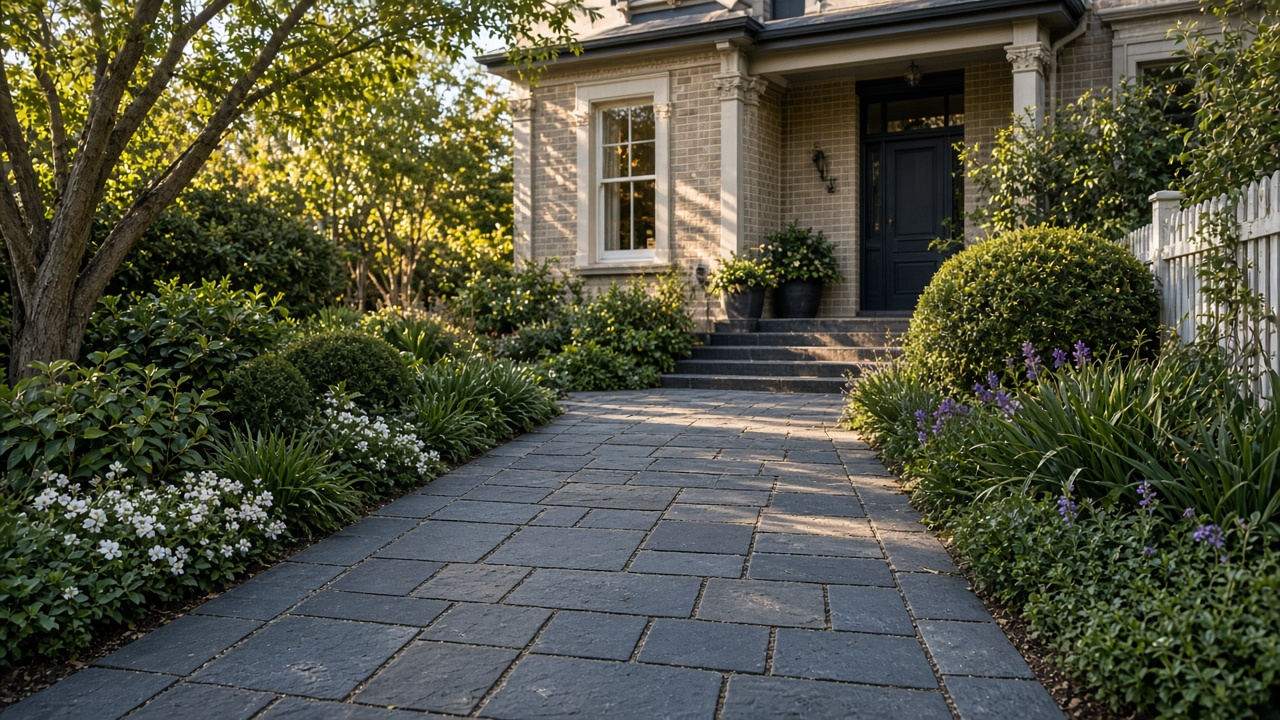
Bluestone paving carries cultural weight in Melbourne. This dense basalt stone built our heritage laneways, garden paths, and grand entry courtyards throughout the 19th and early 20th centuries. Its enduring presence across established suburbs creates strong aesthetic associations: timeless, local, heritage character.
Yet bluestone’s reputation doesn’t automatically make it the right choice for every project. Cost, thermal properties, installation complexity, and appropriate applications all influence whether bluestone delivers value or simply drains budgets on prestige paving that doesn’t suit your property’s needs or use patterns.
Understanding where bluestone excels—and where cheaper, more practical alternatives perform better—helps you make material decisions based on function and context rather than heritage romance alone.
The Bluestone Appeal
Melbourne’s bluestone heritage creates enduring aesthetic preferences.
Why Homeowners Want Bluestone
Local heritage aesthetic:
- Built Melbourne’s iconic laneways and paths
- Established suburbs feature bluestone extensively
- Creates immediate “Melbourne heritage” feel
- Suits period homes (Victorian, Edwardian, interwar)
- Resonates with buyers familiar with inner suburbs
Natural stone authenticity:
- Real stone, not reconstituted product
- Unique colour variation (grey-blue to charcoal)
- Natural cleft surface texture
- Ages gracefully over decades
- Weathers to silver-grey patina
Durability and longevity:
- Extremely hard basalt (volcanic rock)
- 100+ year lifespan common
- Resists wear, weathering, freeze-thaw cycles
- Original 1880s bluestone paths still functional
- Permanent material effectively
Thermal mass:
- High thermal mass stores heat
- Moderates temperature fluctuations
- Releases stored warmth slowly
- Suits passive solar design
- Works with Melbourne’s climate variability
Prestige and value perception:
- Premium material signals quality
- Perceived higher property value
- Buyer appeal in heritage-conscious areas
- Differentiates property from generic paving
- “Investment” framing common
The Practical Reality
Cost significantly higher than alternatives:
- Bluestone pavers: $150-300+ per square metre (materials)
- Concrete pavers: $40-80 per square metre
- Crazy paving (natural stone): $80-150 per square metre
- Natural stone alternatives: $60-120 per square metre
Installation costs also higher (heavier material, requires skill, precise laying).
Not always appropriate: Large patio areas, driveways, full courtyards often better served by cheaper materials. Bluestone works best as accent, feature paving, or where heritage aesthetic critical.
Thermal properties double-edged: High thermal mass stores heat—beneficial in winter (warm underfoot), problematic in summer (hot surface, radiated heat). North-facing bluestone patios can become uncomfortably hot on 35°C days.
Slippery when wet: Natural cleft bluestone can be slippery in Melbourne’s wet conditions, particularly smooth-worn antique pavers or honed finishes. Requires consideration for high-traffic paths and entries.
Bluestone Types and Finishes
Not all bluestone delivers the same aesthetic or performance.
Traditional Antique Bluestone
What it is:
- Reclaimed bluestone from demolished buildings, roads, paths
- 100+ years old typically
- Worn, weathered surface
- Irregular sizes common
- Heritage patina established
Characteristics:
- Silver-grey weathered colour
- Smooth worn surface (can be slippery)
- Chips, character marks, history visible
- Irregular thicknesses common
- Authentic heritage aesthetic
Best for:
- Period home entries
- Heritage garden paths
- Cottage garden paving
- Statement feature areas
- Authentic restoration projects
Challenges:
- Expensive ($200-400+ per square metre)
- Limited availability (reclaimed supply finite)
- Irregular sizing complicates installation
- Variable thickness requires skilled laying
- Worn surface can be slippery
Newly Quarried Bluestone
What it is:
- Freshly quarried Victorian basalt
- Cut to standard sizes
- Available in various finishes
- Consistent thickness
- Darker than weathered antique bluestone
Common finishes:
Natural cleft:
- Natural split surface texture
- Textured, grippy surface
- Dark blue-grey colour
- Best non-slip finish
- Suits contemporary and traditional styles
Honed (smooth):
- Ground smooth surface
- Even, consistent finish
- Formal, refined appearance
- More slippery when wet
- Suits formal entries and courtyards
Flamed (thermal finish):
- Heat-treated rough surface
- Very grippy, non-slip
- Lighter colour than natural cleft
- Suits pool surrounds and wet areas
- Modern appearance
Best for:
- Large paving areas (consistent sizing easier)
- Driveways (if budget allows)
- Pool surrounds (flamed finish)
- Contemporary landscapes
- New builds without heritage constraints
Cost:
- Natural cleft: $150-250 per square metre
- Honed finish: $180-300 per square metre
- Flamed finish: $200-300 per square metre
Bluestone Formats
Cut pavers (square/rectangular):
- Standard sizes (400x400mm, 600x400mm common)
- Consistent thickness (typically 20-30mm)
- Formal grid or stack-bond patterns
- Easier installation
- Suits formal designs
Crazy paving (random pieces):
- Irregular shapes fitted together
- More rustic, informal appearance
- Can use lower-grade stone (cheaper)
- Labour-intensive installation
- Suits cottage gardens, informal paths
Large format tiles:
- 600x600mm or larger
- Modern, minimal aesthetic
- Fewer joints (cleaner look)
- Heavier, requires strong base
- Suits contemporary courtyards
Where Bluestone Makes Sense
Strategic use maximises value without blowing budgets.
Ideal Applications
Front entry paths:
- High-visibility area
- Heritage aesthetic appropriate
- Moderate size (cost manageable)
- Creates strong first impression
- Buyer appeal concentrated
- Typically 10-20 square metres
Feature courtyards (small):
- Statement outdoor room
- Formal aesthetic suits bluestone
- High-value entertaining space
- Budget concentrated on impact area
- Period home courtyards particularly suitable
Garden paths (main routes):
- Connect key zones
- Create structure and permanence
- Natural stone suits garden setting
- Moderate width keeps cost reasonable
- Heritage gardens particularly appropriate
Steps and landings:
- High-wear areas benefit from durability
- Bluestone’s slip resistance (natural cleft) suitable
- Formal appearance suits entries
- Relatively small area (cost controlled)
- Long lifespan justifies premium
Edging and accents:
- Define paving transitions
- Frame other paving materials
- Bluestone strips edge concrete/gravel areas
- Small quantities affordable
- Heritage detail without full bluestone cost
Period home restoration:
- Authentic material for heritage properties
- Maintains property character
- Buyer expectations in heritage areas
- Original bluestone paths/courtyards
- Restoration grants may assist (check council)
Where Cheaper Alternatives Work Better
Large patio areas:
- Cost prohibitive for 30-50+ square metre patios
- Concrete pavers deliver functionality at fraction of cost
- Consider bluestone edging around concrete paver field
- Bluestone accents within larger concrete paver area
- Most guests won’t notice or care beyond initial impression
Driveways:
- Bluestone suitable but expensive ($15,000-30,000+ typical)
- Exposed aggregate concrete: $80-150 per square metre
- Poured concrete with bluestone feature strips: compromise option
- Bluestone driveway suited to high-end heritage properties only
- Most suburban homes better served by practical materials
Large courtyards (over 40 square metres):
- $6,000-15,000+ for bluestone alone
- Concrete pavers or poured concrete with bluestone borders
- Consider bluestone feature area within larger concrete courtyard
- Travertine or limestone alternatives (heritage aesthetic, lower cost)
- Functionality identical; aesthetic preference drives choice
Pool surrounds:
- Bluestone suitable (flamed finish non-slip)
- But sandstone, travertine often better (cooler underfoot)
- Cost similar for quality materials
- Thermal mass disadvantage in summer
- Pale stone reflects less heat
Informal bush gardens:
- Bluestone formal aesthetic clashes with bushland setting
- Natural sandstone or bush rock more appropriate
- Gravel paths suit informal planting
- Stepping stones more sympathetic than formal paving
- Save bluestone for formal areas
Rental properties:
- Premium cost not recovered in rent
- Tenants unlikely to appreciate or maintain properly
- Concrete pavers deliver functionality without premium cost
- Bluestone won’t increase achievable rent
- Reserve for owner-occupied properties
Cost Comparison Reality Check
Understanding true costs prevents budget blowouts.
Material Costs (per square metre, Melbourne suppliers)
Bluestone pavers:
- Antique reclaimed: $200-400+
- New natural cleft: $150-250
- New honed finish: $180-300
- Crazy paving (bluestone): $120-180
Alternative natural stone:
- Sandstone pavers: $80-150
- Limestone pavers: $90-160
- Travertine pavers: $100-180
- Granite pavers: $120-200
Manufactured paving:
- Concrete pavers (standard): $40-80
- Concrete pavers (premium): $70-120
- Clay pavers: $80-150
- Porcelain pavers: $90-180
Poured concrete:
- Standard grey concrete: $60-100
- Exposed aggregate: $80-150
- Coloured/stamped concrete: $100-180
- Polished concrete: $120-200
Installation Costs (per square metre)
Bluestone:
- $80-150 per square metre installation
- Requires experienced installer
- Heavy material (labour intensive)
- Precise laying critical
- Total installed: $230-450 per square metre
Concrete pavers:
- $40-80 per square metre installation
- DIY-able for experienced homeowners
- Lighter, easier to handle
- Total installed: $80-160 per square metre
Example Project Costs
Front path (15 square metres):
- Bluestone: $3,500-6,750 installed
- Sandstone: $2,000-4,000 installed
- Concrete pavers: $1,200-2,400 installed
- Premium: $2,300-4,350 over concrete
Small courtyard (25 square metres):
- Bluestone: $5,750-11,250 installed
- Sandstone: $3,750-7,000 installed
- Concrete pavers: $2,000-4,000 installed
- Premium: $3,750-7,250 over concrete
Large patio (50 square metres):
- Bluestone: $11,500-22,500 installed
- Sandstone: $7,500-14,000 installed
- Concrete pavers: $4,000-8,000 installed
- Premium: $7,500-14,500 over concrete
Value question: Is bluestone aesthetic worth $2,000-15,000 premium for your specific project? Sometimes yes (front entry, period home, small feature courtyard). Often no (large patio, informal garden, budget-constrained project).
Thermal Performance Considerations
Bluestone’s thermal mass is advantage and disadvantage.
Winter Benefits
Heat retention:
- High thermal mass stores daytime solar heat
- Releases warmth slowly through evening
- North-facing bluestone paving warmer underfoot
- Extends comfortable outdoor season
- Radiated warmth benefits adjacent indoor spaces
Passive solar advantage:
- Melbourne’s sunny winter days charge bluestone thermal mass
- Evening entertaining more comfortable
- Reduces heating load on adjacent rooms
- Strategic north-facing paving improves year-round comfort
Summer Challenges
Surface heat:
- Dark bluestone absorbs high solar radiation
- Surface temperatures 50-60°C+ on hot days
- Uncomfortable underfoot without shoes
- Radiated heat increases perceived temperature
- North and west-facing areas particularly affected
Heat island effect:
- Large bluestone areas radiate stored heat
- Increases ambient temperature in courtyard/patio
- Reduces evening cooling
- Uncomfortable outdoor spaces on hot nights
- Exacerbates Melbourne heatwave conditions
Mitigation Strategies
If installing bluestone in sunny locations:
Provide shade:
- Pergola, sail shade, or deciduous trees
- Blocks summer sun from heating paving
- Winter sun still reaches paving (deciduous trees)
- Dramatically improves summer comfort
- Essential for north/west-facing bluestone
Mix with lighter materials:
- Pale sandstone or limestone inserts
- Reduces overall heat absorption
- Visual interest bonus
- Moderates surface temperature
- Bluestone accents within cooler paving
Reserve for shaded areas:
- South-facing courtyards stay cooler
- Shaded entry paths don’t overheat
- Under established trees
- Protected east-facing areas
- Strategic placement improves summer performance
Cool climate advantage:
- Peninsula coastal properties benefit more
- Sea breeze moderates summer heat
- Coastal suburbs (Rosebud, Rye, Sorrento) less affected
- Elevated properties with air movement
- Melbourne’s variable climate suits bluestone better than Queensland heat
Maintenance and Longevity
Bluestone’s low maintenance profile justifies premium cost.
Maintenance Requirements
Minimal ongoing maintenance:
- Occasional sweep or hose
- No sealing required (though some homeowners seal for colour enhancement)
- Weeds in joints only maintenance concern
- Pressure wash every few years if desired
- Effectively maintenance-free
Weed control:
- Polymeric sand between joints reduces weeds
- Occasional spot-weeding only
- Herbicide spot-treatment if needed
- No different from other pavers
Moss and lichen:
- Can develop in shaded, damp areas
- Adds character for some homeowners
- Easily removed if unwanted (pressure wash)
- Slippery when wet (remove from high-traffic paths)
- Part of natural aging process
Sealing (optional):
- Enhances colour when wet look desired
- Protects from oil stains (driveways)
- Not necessary for longevity
- Adds ongoing maintenance (reseal every 2-5 years)
- Some homeowners prefer natural patina (don’t seal)
Lifespan and Value
Longevity:
- 100+ years typical
- Original 1880s bluestone paths still functional
- Permanent installation effectively
- Outlasts homeowner tenure
- One-time installation cost
Cost per year:
- $5,000 bluestone path over 50 years: $100 per year
- $2,000 concrete paver path over 30 years: $67 per year
- Long-term value closer than initial cost suggests
- Quality materials justify premium when long tenure planned
- Short-term ownership may not recoup premium
Property value:
- Bluestone paths and courtyards appeal to heritage-conscious buyers
- Premium location suburbs (inner Melbourne, Peninsula coast) appreciate bluestone more
- Generic suburban properties may not recoup bluestone premium
- Neighbourhood matters: Brunswick, Kew, Brighton value heritage materials; growth suburbs less so
- Buyer pool influences value return
Installation Considerations
Bluestone installation requires skill and proper base preparation.
Base Requirements
Structural base essential:
- 100-150mm compacted crushed rock base
- Road base or blue metal
- Properly compacted (plate compactor required)
- Critical for longevity and preventing settlement
- Skimping on base causes failure
Bedding layer:
- 30-50mm sand or bedding sand/cement mix
- Screeded level
- Pavers bedded into screeded layer
- Ensures even surface
- Prevents rocking
Proper fall:
- Minimum 1:100 fall away from buildings
- Prevents water pooling
- Critical for Melbourne rainfall
- Directs water to drainage or garden
- Poor drainage ruins expensive bluestone installation
Professional Installation Recommended
Why DIY challenging:
- Heavy material (20-30kg+ per paver)
- Precise cutting required (diamond blade saw needed)
- Irregular stone requires skill to achieve level surface
- Base preparation critical (expensive to redo)
- Professional results require experience
When professional essential:
- Large areas (over 20 square metres)
- Main entries (quality finish critical)
- Irregular antique bluestone (skilled laying required)
- Complex patterns or designs
- Property value justifies professional finish
When DIY possible:
- Small projects (under 10 square metres)
- Experienced DIY builder
- Regular-sized new pavers (not irregular antique)
- Garden paths (less critical than main entry)
- Budget constraints significant
Installation costs:
- Professional: $80-150 per square metre
- Worth it for expensive bluestone (protect material investment)
- Poor installation wastes premium material cost
- Professional finish maximises heritage aesthetic
- Mistakes expensive to correct
Alternatives That Deliver Similar Aesthetic
Consider materials that approximate bluestone’s appeal at lower cost.
Sandstone (Natural Stone Alternative)
Characteristics:
- Natural stone (sedimentary)
- Warm buff to grey tones
- Heritage aesthetic (different character)
- Softer than bluestone (more weathering)
- Natural variations
Cost:
- $80-150 per square metre (materials)
- 40-50% cheaper than bluestone
- Installation similar complexity
- Total installed: $150-280 per square metre
Best for:
- Budgets excluding bluestone
- Warmer aesthetic preferred
- Coastal properties (sandstone suits)
- Heritage character without bluestone premium
Limitations:
- Less durable than bluestone (softer stone)
- Weathering more pronounced
- Some varieties prone to flaking (choose quality)
- Not “Melbourne bluestone” aesthetic specifically
Concrete Pavers (Cost-Effective Alternative)
Modern concrete pavers mimic natural stone:
- Textured surface options
- Grey tones approximate bluestone
- “Natural stone” appearance ranges
- Fraction of bluestone cost
- Consistent quality and sizing
Cost:
- $40-120 per square metre (materials)
- 60-75% cheaper than bluestone
- Easier installation (lighter)
- Total installed: $80-200 per square metre
Best for:
- Budget-constrained projects
- Large patio areas
- Rental properties
- Functional priority over heritage aesthetic
- Driveways and high-wear areas
Limitations:
- Manufactured appearance (close but not identical)
- Less prestigious than natural stone
- Shorter lifespan (20-30 years typical vs 100+ bluestone)
- Lower perceived property value contribution
Granite Pavers
Characteristics:
- Natural stone (igneous)
- Similar hardness and durability to bluestone
- Grey tones available
- Different aesthetic (speckled vs uniform)
- Long lifespan
Cost:
- $120-200 per square metre (materials)
- Comparable to new bluestone
- Similar installation complexity
- Alternative rather than cheaper option
Best for:
- Homeowners wanting natural stone durability
- Contemporary aesthetic preferred over heritage
- Coastal properties (excellent salt resistance)
- Driveways (extremely durable)
Limitations:
- Not “Melbourne heritage” aesthetic
- Similar cost to bluestone (no savings)
- Different character entirely
- Less buyer appeal in heritage-conscious areas
For broader paving comparison across materials and applications, see our guide on paving ideas for Australian properties.
Peninsula and Melbourne Climate Fit
Bluestone suits Melbourne’s variable climate reasonably well.
Climate Advantages
Handles Melbourne weather:
- Freeze-thaw resistant (dense basalt)
- Wet winters no problem
- UV-resistant (minimal fading)
- Hot days don’t damage material
- 100+ years in Melbourne proves suitability
Coastal Peninsula properties:
- Salt-resistant (hard, dense stone)
- Coastal humidity no issue
- Wind-driven rain handled well
- Appropriate for oceanfront properties
- Proven performance in coastal suburbs (Sorrento, Portsea)
Low maintenance in Melbourne climate:
- Doesn’t require sealing
- Moss/lichen in shaded areas only concern
- No weathering issues
- Wet-dry cycles don’t degrade
- Reliable long-term performance
Climate Considerations
Summer heat absorption:
- Dark stone heats significantly
- Coastal sea breeze moderates heat somewhat
- Inland Peninsula properties (Moorooduc, Red Hill) experience higher temperatures
- Shade essential for north-facing bluestone
- Melbourne variability less extreme than Queensland heat
Winter cold:
- Stone feels cold underfoot when shaded
- Sunny winter days warm bluestone pleasantly
- Thermal mass beneficial Melbourne climate
- Coastal chill moderated by sun exposure
- Not uncomfortable like metal or porcelain in winter
Wet conditions (slip risk):
- Smooth-worn antique bluestone slippery when wet
- Natural cleft finish better grip
- Flamed finish best for wet areas
- High-traffic paths consider texture choice
- Melbourne’s 600mm annual rainfall relevant
Peninsula clay soil:
- Proper base preparation essential
- Clay movement can affect paving
- Drainage critical (clay doesn’t drain naturally)
- Professional installation recommended
- Base preparation prevents expensive failure
For drainage solutions on challenging Peninsula clay soil, see our guide on garden drainage fixes for wet Victorian yards.
Making the Bluestone Decision
Choose Bluestone When:
Heritage aesthetic critical:
- Period home (Victorian, Edwardian, interwar)
- Heritage suburb aesthetic expectations
- Authentic restoration priority
- Buyer appeal in heritage-conscious areas
Budget allows premium materials:
- Front entry path (10-20 square metres manageable)
- Small feature courtyard
- Statement garden path
- High-value entertaining area
- Long-term property ownership planned
Longevity valued:
- Permanent installation desired
- 50+ year ownership planning horizon
- One-time installation preference
- Low-maintenance priority
- Quality over budget constraints
Strategic small areas:
- Entry statement without full-property cost
- Accents within other paving materials
- Steps and landings
- Edging and borders
- Feature areas concentrating impact
Choose Alternatives When:
Budget constrained:
- Large areas (30-50+ square metres)
- Driveways
- Multiple paving projects competing for budget
- Entry-level property renovation
- Short-term ownership planned
Informal aesthetic:
- Bush gardens
- Contemporary modern design
- Casual entertaining areas
- Coastal relaxed style
- New build without heritage context
Thermal concerns:
- Large north-facing patio without shade
- Hot inland Peninsula properties
- Pool surrounds (pale stone cooler underfoot)
- Summer outdoor living priority
- Heat-sensitive users
Rental property:
- Tenants won’t appreciate or maintain
- Premium cost not recovered in rent
- Damage risk from furniture, equipment
- Functional priority over aesthetics
- Concrete pavers adequate
Practical function priority:
- Driveways (concrete cheaper, equivalent function)
- Large patios (concrete or composite decking)
- High-traffic commercial areas
- Budget-conscious projects
- Value-over-prestige preference
Final Thoughts
Bluestone paving delivers authentic Melbourne heritage character, exceptional durability, and prestige natural stone aesthetic. For period home entries, feature courtyards, and statement garden paths, bluestone creates timeless appeal that genuinely suits established Melbourne and Peninsula properties.
Yet bluestone isn’t universally appropriate. Cost premiums ($3,000-15,000+ over alternatives for typical projects), summer thermal challenges on unshaded north-facing areas, and overkill for informal gardens or large functional patios all argue against reflexive bluestone selection.
Best value bluestone applications:
- Front entry paths (10-20 square metres)
- Small courtyard entertaining areas
- Period home restoration and heritage properties
- Statement garden paths connecting key zones
- Strategic accents within larger paving areas
Consider alternatives for:
- Large patios (30-50+ square metres)
- Driveways (unless high-end heritage property)
- Rental properties
- Informal bush gardens
- Budget-constrained projects
- Unshaded north/west-facing areas without mitigation
Melbourne and Peninsula context: Bluestone suits our variable climate well: handles wet winters, hot days don’t damage it, and coastal conditions present no issues. Heritage suburbs (inner Melbourne, established Peninsula towns) appreciate bluestone authenticity. Growth suburbs and contemporary properties may not recoup premium costs, making alternatives more sensible value propositions.
Cost reality: $5,000-22,000 for typical residential paving projects (15-50 square metres) makes bluestone significant budget commitment. Long lifespan (100+ years) and low maintenance partially justify premium, but only when aesthetic priorities align with heritage character and buyer expectations support value recovery.
Strategic use: Rather than choosing bluestone or alternatives exclusively, consider hybrid approaches: bluestone entry path or courtyard border with concrete paver field, bluestone edging around exposed aggregate paving, or bluestone feature area within larger concrete courtyard. Strategic placement concentrates premium material where impact highest whilst managing overall project cost.
Bluestone paving makes sense when heritage aesthetic matters, quality long-term materials preferred, and budget accommodates premium costs. For most Melbourne and Peninsula properties, selective bluestone use on high-visibility entries and feature areas delivers heritage character without full-property premium costs, allowing budget allocation across multiple landscape improvements whilst maintaining authentic local character where it matters most.
Need a Hand?
Professional lawn and garden services when you need them. Get a quote from our trusted Peninsula partners.
Contact Mowing Magic or Peninsula Hard Yards →Disclosure: We share links to related local services that serve our readers in the Peninsula area.