Cheap Simple Front Yard Landscaping Ideas
Transform your front yard on a budget with mulch makeovers, pathway refreshes, low-cost plants, and DIY edging. Practical curb appeal strategies that work for Australian properties without breaking the bank.
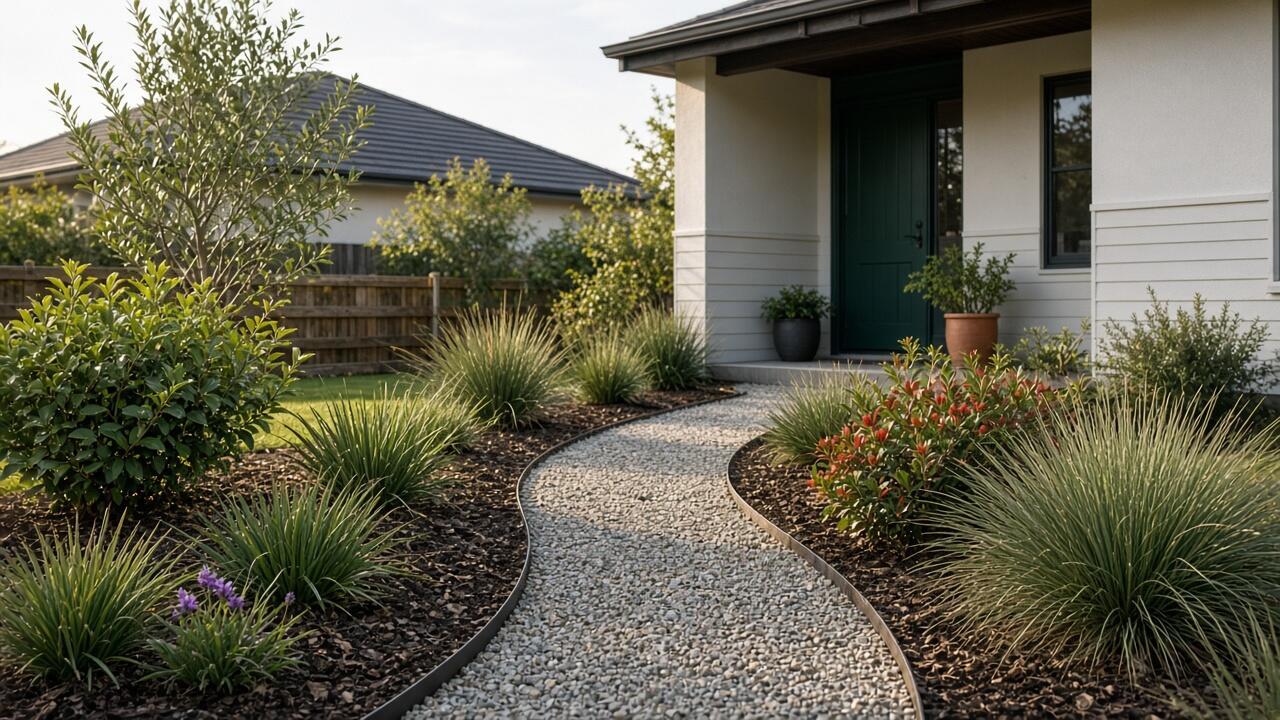
Front yard transformations don’t require five-figure budgets. Strategic improvements using affordable materials—quality mulch, repurposed edging, budget-friendly plants, and refreshed paths—create substantial curb appeal whilst working within tight financial constraints typical of Peninsula and Melbourne property owners juggling multiple household priorities.
The secret to successful budget landscaping lies in focusing investment where impact concentrates: clean edges, one focal point, and well-maintained basics rather than expensive materials spread thinly across entire space creating mediocre results nowhere.
Understanding which corners to cut safely (decorative features) versus where economy backfires (drainage, structural work) helps stretch limited budgets whilst avoiding false economies that cost more long-term through premature failure or excessive maintenance.
The Budget Curb Appeal Formula
Maximum impact from minimum spend requires strategic priorities.
Focus on Fundamentals
Clean edges:
- Sharp lawn edges (free with edging tool)
- Defined garden bed borders (cheap plastic edging adequate)
- Trimmed path edges (line trimmer or shears)
- Tidy fence line (remove weeds, cut back overgrowth)
- Immediate visual improvement from definition
Fresh mulch:
- Single biggest bang-for-buck improvement
- $150-300 transforms typical front yard
- Unifies garden beds
- Suppresses weeds (reduces future maintenance costs)
- Makes plants look better instantly
One focal point:
- Entry planting (pots or feature plant)
- Letterbox refresh (paint or new post)
- Feature stone or small tree
- Attention-grabbing element
- Concentrates investment for maximum impact
Maintenance basics:
- Mow lawn and edge properly
- Prune overgrown shrubs
- Remove dead plants
- Clean paths and driveway
- Free improvements, dramatic impact
Avoid Penny-Wise-Pound-Foolish
Don’t skimp on:
- Drainage (poor drainage creates expensive ongoing problems)
- Path safety (trip hazards liability issue)
- Structural adequacy (retaining walls must be safe)
- Weed matting under mulch (saves herbicide costs ongoing)
- Appropriate plant selection (wrong plants = replacement cost)
Safe economies:
- Decorative features (reuse, repurpose, DIY)
- Plant size (smaller plants cheaper, catch up within 2-3 years)
- Material aesthetics (functional over premium finishes)
- Staged implementation (tackle priority areas first, rest later)
- Labour (DIY where capability exists)
Mulch Makeover
Fresh mulch delivers disproportionate visual impact for modest investment.
Mulch Types and Costs
Budget options (bulk delivered):
- Hardwood chip: $35-50 per cubic metre
- Pine bark: $40-60 per cubic metre (looks better, lasts longer)
- Recycled green waste: $25-40 per cubic metre (council yards often cheapest)
- Typical front yard: 2-4 cubic metres
- Total cost: $100-240 delivered
Bag mulch (small areas only):
- $8-12 per 25-litre bag
- Covers approximately 0.5 square metres (75mm depth)
- Only economical for very small gardens
- Bulk delivery far cheaper moderate to large areas
Calculating quantity:
- Measure garden bed area (length x width)
- 75mm depth adequate (0.075m)
- Volume = area x 0.075
- Example: 20 square metres x 0.075 = 1.5 cubic metres
- Order 10-20% extra (settling, irregular shapes)
Application Strategy
Preparation (don’t skip):
- Remove existing weeds (pull or spray 1-2 weeks before mulching)
- Edge garden beds (define borders before spreading mulch)
- Lay weed matting if starting fresh beds (long-term savings)
- Water garden beds if dry (mulch locks in moisture)
Spreading technique:
- 75mm depth adequate (weed suppression without excessive expense)
- Keep mulch away from plant stems (100mm clear zone prevents rot)
- Thicker around trees (up to 100mm acceptable)
- Top up paths and narrow gaps (neat appearance)
- Rake level for tidy finish
Timing:
- Any time works, but spring or autumn ideal (before weed season)
- Top up annually (50% depth typical maintenance)
- Second year onwards: 1-2 cubic metres typical front yard top-up
- Builds soil over time as lower layers decompose
Peninsula considerations:
- Coastal wind blows light mulches (pine bark stays better than fine chip)
- Salt tolerance not issue (mulch inland of planting)
- Clay soil benefits from organic matter input (breaking down mulch improves soil)
- Heavy Peninsula rain washes fine mulches (chunky bark stays put)
For comprehensive guidance on front yard design principles including layout, plant selection, and hardscape balance, see our detailed guide on front yard landscaping ideas for Australian properties.
Path and Paving Refresh
Improving existing paths costs far less than replacement.
Cleaning and Repair
Pressure washing:
- Hire pressure washer: $60-100 per day (or borrow)
- Transforms pavers, concrete, exposed aggregate
- Remove algae, moss, dirt, staining
- Immediate improvement for minimal cost
- DIY-friendly task
Joint repair:
- Polymeric sand between pavers (locks in, prevents weeds)
- Bag of polymeric sand: $20-40 (typical path)
- Brush into joints, mist with water, sets firm
- Replaces failed traditional sand joints
- Reduces ongoing maintenance
Concrete crack filling:
- Concrete crack filler: $10-20 per tube
- Prevents water infiltration and further cracking
- Cosmetic improvement plus structural preservation
- DIY application simple
- Small fix prevents bigger problems
Aggregate resin refresh (exposed aggregate):
- Clear resin sealer rejuvenates exposed aggregate
- $40-80 per 4-litre can (typical residential path)
- Enhances colour, protects surface
- Roller application DIY-friendly
- Lasts 2-3 years before re-application needed
Budget New Paths
Stepping stones:
- Concrete rounds: $5-15 each
- Typical path: 10-15 pavers = $50-225
- Set in existing lawn or gravel
- Informal but functional
- Quick weekend project
Gravel paths:
- Crusher dust or pea gravel: $40-60 per cubic metre
- Typical path (1m wide x 10m long x 75mm deep) = 0.75 cubic metres
- Materials: $30-50 plus edge restraint
- Weed matting underneath (rolls $20-40)
- DIY installation straightforward
Recycled brick:
- Second-hand brick: $0.50-1.50 each (salvage yards)
- Laid on sand bed (traditional technique)
- Labour-intensive but materials cheap
- Cottage character
- Irregular availability (purchase when source located)
Treated pine sleeper edging:
- Define existing gravel or bark path
- Sleepers: $15-30 each (1.8m length)
- Two sleepers edge typical 6-8m path
- Stakes and screws: $20-30
- Neat, functional, affordable
For broader pathway and paving material options including costs and suitability, see our comprehensive guide on paving ideas for Australian properties.
Budget Plant Selection
Smart plant choices maximise greenery whilst minimising expense.
Where to Source Cheap Plants
Council native plant sales:
- Heavily subsidised indigenous plants
- $2-5 per tube stock (typical retail $8-12)
- Seasonal sales (usually spring and autumn)
- Peninsula and Melbourne councils run regular programs
- Peninsula-provenance natives (climate-adapted)
End-of-season sales:
- Retail nurseries clear stock autumn and late winter
- 30-50% discounts common
- Slightly stressed plants recover quickly with care
- Perennials and hardy shrubs best value (bounce back)
- Avoid stressed advanced trees (recovery uncertain)
Tube stock vs advanced plants:
- 75mm tube: $3-6 each
- 140mm pot: $8-15 each
- 200mm pot: $15-30 each
- Tube stock catches up within 2-3 years
- Budget choice: tube stock for most plants, one or two 200mm feature plants
Propagation (free):
- Cuttings from friends and neighbours (rosemary, lavender, succulents)
- Division of perennials (agapanthus, daylilies, ornamental grasses)
- Seed collection (native grasses, annual flowers)
- Patience required but zero cost
Budget-Friendly Plant Choices
Fast-growing affordable shrubs:
- Westringia (coastal rosemary): $8-15 (140mm), fills space 2 years
- Native grasses (Lomandra, Poa): $5-10, instant impact
- Dianella (flax lily): $5-10, hardy, spreads steadily
- Myoporum parvifolium (creeping boobialla): groundcover, cheap, fast
- Correa reflexa: $8-12, flowers, bird-attracting, Peninsula native
Screening plants (fast cheap options):
- Lilly pilly (Syzygium varieties): $15-30 (200mm), fast screen
- Viburnum tinus: $12-20, evergreen, fast, reliable
- Pittosporum: $10-20, screening workhorse
- Bamboo (clumping non-invasive): $20-40, instant privacy
- Native grasses massed: $5-10 each, 5-7 plants = screen effect
Feature plants (statement without big expense):
- Grass trees (small): $30-60 (unique sculptural impact)
- Kangaroo paw: $8-15 (bold flowers, Australian character)
- Agave or Aloe: $15-40 (architectural, modern)
- Small Japanese Maple: $40-80 (feature tree, contained size)
- Cordyline australis: $20-40 (strappy foliage, height)
Groundcovers (cheap coverage):
- Native violet: $5-8, spreads, shade tolerant
- Myoporum parvifolium: $6-10, Peninsula native, fast coverage
- Dichondra repens: $5-8, lawn alternative, soft texture
- Ajuga reptans: $5-8, shade groundcover, purple flowers
- Carpobrotus (pigface): $6-10, coastal, succulent, free-draining
Planting for Success
Soil preparation (don’t skip):
- Clay soil: gypsum and compost (improves drainage, root health)
- Sandy soil: compost and organic matter (water retention)
- $30-50 in soil amendments prevents plant losses
- False economy skipping preparation (dead plants cost more to replace)
Mulch around new plants:
- 75-100mm mulch over planting area
- Conserves moisture (reduces watering)
- Suppresses weeds (reduces plant competition)
- Already costed in mulch makeover budget
Watering establishment:
- Regular watering first summer critical
- Cheap plants die just as easily as expensive ones if water-stressed
- Hose and manual watering free (time investment)
- Once established (12-18 months), most natives drought-tolerant
For detailed guidance on low-maintenance front yard approaches using Australian natives, see our guide on modern Australian front yard ideas and low-maintenance natives for Peninsula properties.
DIY Edging Solutions
Defined edges create professional appearance for modest cost.
Budget Edging Materials
Plastic landscape edging:
- $8-15 per 6m roll
- Typical front yard: 30-40m edging = $40-100
- Flexible (curves easily)
- Hidden when installed correctly (sits below mulch line)
- Lasts 10+ years UV-stabilised product
Treated pine sleepers (whole or half):
- Whole sleepers: $15-30 each (200mm x 75mm x 1.8m)
- Half-sleepers (cut lengthwise): $10-18 each
- Typical front yard: 10-15 sleepers = $150-450
- Substantial, visible edging
- 10-15 year lifespan treated pine
Steel edging (premium budget option):
- $25-40 per 2.4m length (depending on height)
- Clean modern lines
- Very durable (20+ years)
- Sharp definition
- More expensive but long-term value
Recycled materials (cheapest):
- Reclaimed brick (on edge): $0.50-1.50 each
- Salvaged timber (hardwood): free to $5 per length
- Concrete pavers (leftover or salvaged): free to $3 each
- River rock (collected): free (time investment)
- Irregular but characterful
Installation Basics
Plastic edging:
- Mark bed line with hose or rope (visualise before cutting)
- Dig narrow trench (100mm deep)
- Position edging (top just below mulch surface line)
- Stake every metre (stakes included or separate $10-20)
- Backfill and compact
- 2-4 hour job typical front yard
Sleeper edging:
- Excavate half-depth of sleeper (shallow trench, stable ground)
- Level and compact trench base
- Position sleepers end-to-end
- Stake with galvanised stakes ($2-4 each, every 1.5m) or star pickets
- Backfill exterior, tamp firm
- Half-day job typical front yard
Brick or paver edging:
- Dig trench to sit brick upright (on narrow edge)
- Compact base, add thin sand layer
- Position bricks end-to-end
- Tap level with rubber mallet
- Backfill both sides, compact
- Inexpensive but labour-intensive (placement time)
The One Focal Point Rule
Limited budgets can’t transform entire front yard uniformly. Concentrate resources.
High-Impact Focal Options
Entry planters:
- Two large pots flanking front door: $60-150 pair (concrete or resin)
- Feature plants in pots: $30-60 each (architectural statements)
- Total: $120-270
- Immediate street appeal
- Maintenance contained to two pots
Letterbox refresh:
- Repaint existing: $20-40 (paint and brushes)
- New post and simple box: $80-200 (treated pine or steel)
- Feature planting around base: $30-60
- Street-facing, high visibility
- Minimal square metreage, maximum impact
Feature tree:
- Small ornamental tree: $80-200 (advanced 200mm pot)
- Crepe Myrtle, Japanese Maple, small native
- Anchors garden design
- Long-term investment (grows with property)
- Single purchase, decades of impact
Garden bed island:
- Create defined bed (no existing border)
- Edge with sleepers or rock: $100-200
- Plant densely one area: 10-15 plants = $80-200
- Mulch: $50-100
- Total: $230-500
- Concentrated garden impact
- Manageable maintenance zone
Staging Implementation
Year one priorities:
- Clean, edge, mulch everywhere (foundation)
- One focal point (entry or letterbox)
- Essential weeding and cleanup
- Budget: $400-800
Year two additions:
- Second focal point (feature planting or path upgrade)
- Infill planting budget areas
- Budget: $300-600
Year three refinements:
- Replace budget interim solutions if desired (plastic edging → sleepers)
- Advanced specimens where impact concentrated
- Budget: $300-600
Total three-year investment: $1,000-2,000 spread over time (manageable increments)
Maintenance: Protecting Your Investment
Cheap landscaping requires maintenance discipline to avoid looking cheap.
Essential Upkeep
Weekly basics (free):
- Mow and edge lawn properly (sharp edges maintain tidy appearance)
- Spot-weed garden beds (prevents establishment)
- Sweep paths and entries (immediate tidiness)
- 30-60 minutes typical front yard
Monthly tasks (free):
- Prune dead flowers and foliage
- Shape hedges and edging plants
- Check and adjust irrigation if installed
- 1-2 hours
Annual tasks (minimal cost):
- Mulch top-up: $50-150
- Fertiliser: $20-40 (slow-release applied spring)
- Weed-and-feed lawn: $30-60
- Total: $100-250 per year
False economy skipping maintenance:
- Neglected budget landscaping looks worse than bare ground
- Regular basic maintenance keeps cheap materials looking tidy
- Small frequent effort prevents major overhaul expenses
- Discipline matters more than money in budget landscapes
For practical advice on low-cost garden beds using gravel and drought-tolerant planting, see our guide on gravel garden ideas for Australian properties.
Final Thoughts
Budget front yard transformations succeed through strategic investment in high-impact fundamentals—fresh mulch, clean edges, one focal point—rather than spreading limited resources thin across entire space creating mediocre results everywhere. Melbourne and Peninsula properties achieve substantial curb appeal improvements for $400-1,000 initial investment plus modest ongoing maintenance, working within financial constraints typical of households balancing competing priorities.
Immediate impact priorities:
- Fresh mulch entire garden beds: $100-300 (single biggest improvement)
- Clean edges and definition: $40-100 plastic edging (instant tidiness)
- One focal point: $120-500 (entry planters, letterbox, feature tree)
- Pressure wash paths: $60-100 hire (or borrow)
- Total foundation: $320-1,000
Budget-friendly plant selection:
- Tube stock natives: $3-6 each (council sales best value)
- Fast-growing affordable shrubs: Westringia, Lomandra, Dianella
- One or two feature plants: $30-80 each (concentrated impact)
- Propagate or divide free plants (patience required)
- Soil preparation essential (prevents losses, false economy skipping)
DIY savings opportunities:
- Mulch spreading (easy, significant cost savings vs landscaper)
- Plastic edging installation (straightforward weekend project)
- Planting tube stock (simple technique, huge labour cost avoided)
- Path cleaning and minor repairs (pressure washer hire adequate)
- Realistic assessment: save labour where capable, hire for complex structural work
False economies to avoid:
- Skipping soil preparation (dead plants cost more to replace)
- Inadequate drainage (creates expensive ongoing problems)
- Wrong plant selection (replacements double costs)
- No weed matting (herbicide costs accumulate)
- Neglecting maintenance (neglected budget landscaping looks worse than nothing)
Staged implementation:
- Year one: foundation (edges, mulch, one focal point) = $400-800
- Year two: second focal area, infill planting = $300-600
- Year three: refinements and upgrades = $300-600
- Three-year total: $1,000-2,000 (manageable increments)
Peninsula-specific considerations:
- Council native plant sales (heavily subsidised, climate-adapted)
- Coastal wind: heavier mulch (pine bark over fine chip)
- Clay soil: gypsum and compost critical (drainage and root health)
- Salt-tolerant natives: Westringia, Myoporum, coastal grasses
- Bulk mulch delivery cheaper than metropolitan (less distance, local suppliers)
Maintenance discipline:
- Weekly edge and tidy (free, maintains appearance)
- Annual mulch top-up: $50-150 (preserves unified look)
- Budget landscaping requires regular upkeep (neglect ruins impact)
- Time investment substitutes for money in budget approaches
Material priorities:
- Spend on visible, high-impact areas (entry, street frontage)
- Economise on infrastructure (plastic edging adequate)
- Invest in soil preparation (invisible but prevents failures)
- Cheap materials maintained properly look better than premium materials neglected
Realistic expectations:
- Budget landscaping won’t achieve magazine-cover perfection
- Tidy, defined, and purposeful achievable at low cost
- Incremental improvement over 2-3 years creates substantial transformation
- Small consistent investments outperform occasional big splurges
- Clean basics beat cluttered feature-heavy approaches
Cheap front yard landscaping succeeds through strategic focus—investing limited resources where impact concentrates whilst maintaining tidy fundamentals across remaining space. Australian properties achieve respectable curb appeal on tight budgets through smart material choices, DIY labour where capable, staged implementation spreading costs over time, and maintenance discipline ensuring budget materials stay looking purposeful rather than neglected.
Need a Hand?
Garden bed installation, planting, and maintenance services. Get a quote from our trusted Peninsula partners.
Contact Peninsula Hard Yards →Disclosure: We share links to related local services that serve our readers in the Peninsula area.