Paving Ideas for Paths, Patios and Driveways
Compare Australian paving options for different applications. Learn when to use crazy paving, pavers, exposed aggregate, or permeable paving for paths, patios, and driveways.
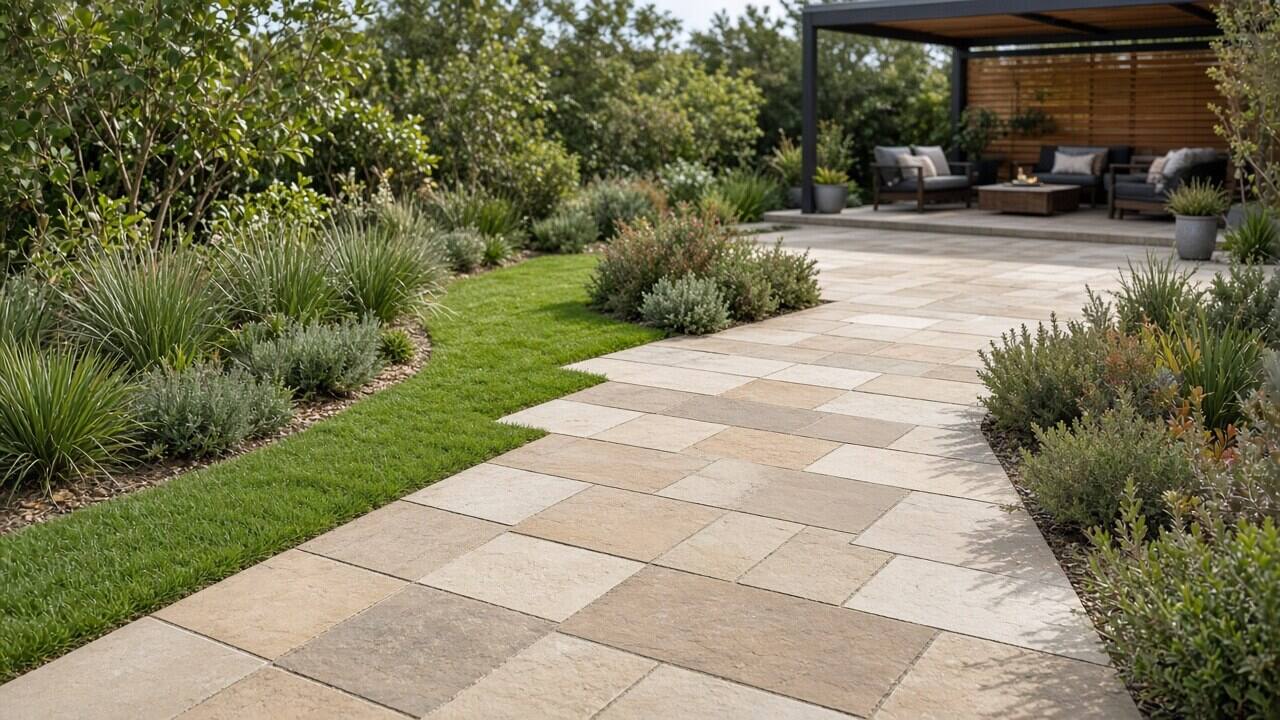
Paving transforms soft, muddy, or unusable ground into functional hardscape. But choosing the right paving type for your application matters enormously - what works brilliantly for a garden path performs poorly as a driveway, and vice versa.
Here’s your comprehensive guide to paving options for Australian homes, covering paths, patios, and driveways with honest assessments of what works where.
Paving Types Explained
Concrete Pavers
What they are: Pre-cast concrete units in standardised sizes and shapes.
Sizes:
- Common: 400x400mm, 300x300mm, 230x115mm (brick-sized)
- Formats: Square, rectangular, brick-style, interlocking
Finishes:
- Smooth
- Textured/patterned surface
- Exposed aggregate face
- Tumbled/aged effect
Advantages:
- Wide availability and choice
- Mid-range price point
- Consistent sizing (easier installation)
- DIY-friendly for competent homeowners
- Easy to replace individual units if damaged
- Colour range available (though limited vs natural stone)
Considerations:
- Colour can fade over time (quality varies)
- Less premium appearance than natural stone
- Can shift if base isn’t properly prepared
- Joints need occasional weed control
Best for: Budget to mid-range patios, paths, courtyards, driveways (if rated appropriately)
Cost: $40-80 per m² materials, $80-150 per m² installed
Natural Stone Pavers
Stone types:
- Bluestone - classic Victorian, dark grey, very durable, premium price
- Sandstone - warm tones (cream to brown), softer stone, mid-high price
- Limestone - light colours, coastal aesthetic, mid price
- Granite - extremely hard, varied colours, premium price
- Slate - dark grey/black, textured surface, mid-high price
Advantages:
- Premium natural appearance
- Each piece unique
- Colour won’t fade (natural stone)
- Excellent durability (hard stones)
- Adds property value
- Suits traditional and contemporary designs
Considerations:
- Higher cost than concrete alternatives
- Professional installation recommended (irregular sizes, heavy)
- Some stones prone to staining (limestone, sandstone)
- Can be slippery when wet (choose honed not polished)
- Colour/thickness variation between batches
Best for: High-end patios, feature areas, formal gardens, matching heritage architecture, properties wanting natural materials
Cost: $100-250+ per m² materials, $180-400+ per m² installed
Crazy Paving
What it is: Irregular-shaped natural stone pieces fitted together like a jigsaw.
Stone types:
- Bluestone crazy pave (most common)
- Sandstone crazy pave
- Slate crazy pave
Advantages:
- Distinctive natural appearance
- Uses offcuts (more economical than cut stone)
- Flexible for curved or irregular areas
- Traditional Australian aesthetic
- Durable (stone is still stone)
Considerations:
- Uneven surface (not ideal for furniture)
- Labour-intensive installation (professional job)
- Can look dated if not done well
- Trip hazard risk if pieces vary too much in height
- Not suitable for driveways (unstable under vehicle loads)
Best for: Garden paths, informal courtyards, period-appropriate renovations, areas wanting rustic charm, curved paths
Cost: $120-200 per m² materials, $200-350 per m² installed
Peninsula suitability: Crazy paving works beautifully for garden paths in established gardens but has fallen out of favour for entertaining areas - too uneven for outdoor furniture.
Exposed Aggregate Concrete
What it is: Concrete surface with aggregate (stones) exposed and visible on top layer.
Process: Concrete poured, surface treated to remove top cement layer, revealing aggregate below.
Aggregate options:
- Local river stones
- Coloured gravels
- White quartz
- Black basalt
- Mixed blends
Advantages:
- Cost-effective for large areas
- Durable (monolithic surface)
- Non-slip texture
- Modern contemporary appearance
- Good for driveways (rated for vehicle loads)
- Minimal joints (less weed issues)
Considerations:
- Professional installation required
- Difficult to repair if damaged (patching shows)
- Hot underfoot in summer
- Large expanses can look monotonous
- Permanent (hard to modify later)
Best for: Driveways, large patios, modern homes, pool surrounds, commercial-looking residential areas, sloped sites (can follow contours)
Cost: $100-180 per m² installed (varies with aggregate choice)
Permeable/Porous Paving
What it is: Paving that allows water to drain through rather than running off.
Types:
- Permeable pavers - concrete units with wide joints and drainage layer below
- Porous pavers - porous concrete units themselves allow water through
- Grass pavers - grid structure filled with grass or gravel
- Gravel with grid reinforcement - structural grid prevents gravel migration
Advantages:
- Reduces stormwater runoff
- Council-preferred (or required) for some applications
- Good for environmental sustainability
- Reduces puddles and surface water
- Can satisfy planning requirements for permeability
Considerations:
- Requires proper base design (drainage layer critical)
- Can clog over time (requires maintenance)
- Not suitable for all soil types (clay needs careful design)
- Professional installation recommended
- Slightly higher cost than standard paving
Best for: Driveways (meeting council permeability requirements), large paved areas, properties with drainage concerns, environmentally-conscious homeowners
Cost: $120-220 per m² installed (depending on system)
Clay Brick Pavers
What they are: Fired clay bricks designed for paving (thinner than house bricks).
Advantages:
- Classic appearance
- Colour won’t fade (fired clay)
- Traditional Australian aesthetic
- Durable
- Suitable for paths, patios, driveways
- Wide range of laying patterns (herringbone, stretcher bond, basketweave)
Considerations:
- Mid to high price
- Can be slippery when wet (smooth face)
- Moss/algae growth in shaded damp areas
- Professional installation recommended for driveways
- Limited colour range (reds, browns, creams)
Best for: Heritage properties, formal gardens, matching existing brick architecture, traditional designs, properties wanting classic Australian look
Cost: $70-120 per m² materials, $150-250 per m² installed
Resin-Bound Paving
What it is: Resin mixed with aggregate, applied as seamless surface.
Advantages:
- Smooth, seamless finish
- Permeable (allows drainage)
- Contemporary appearance
- Wide colour/aggregate options
- Comfortable to walk on
Considerations:
- Requires professional installation
- UV exposure can cause colour change over time
- Can be damaged by vehicle turning (sharp steering on spot)
- Repairs difficult to blend seamlessly
- Newer technology (less long-term data)
Best for: Modern properties, feature paths, permeable driveway alternative, pool surrounds
Cost: $150-280 per m² installed
Loose Materials (Gravel, Crushed Rock)
What they are: Non-fixed paving materials.
Types:
- Pea gravel - rounded small stones, comfortable underfoot
- Crushed rock - angular rock fragments, compacts better
- Decomposed granite - fine crushed granite, compacts firm
- Bluestone screenings - fine bluestone dust/chips
Advantages:
- Lowest cost option
- Easy DIY installation
- Good drainage
- Suits cottage gardens and informal settings
- Easy to top up or modify
Considerations:
- Migrates (spreads beyond edged area)
- Weeds can establish
- Not suitable for driveways (spreads under tyres)
- Uncomfortable in bare feet (except finer materials)
- Requires edging to contain
- Regular top-ups needed (compacts and spreads)
Best for: Informal garden paths, between stepping stones, cottage gardens, temporary solutions, budget projects
Cost: $30-80 per m² materials + edging, DIY installation
Application-Specific Recommendations
Garden Paths
Light use (access to garden beds):
- Crazy paving
- Stepping stones in gravel
- Loose materials with edging
- Budget concrete pavers
Heavy use (main route from house to garden):
- Standard concrete pavers
- Natural stone pavers
- Clay brick pavers
- Exposed aggregate (if path is wide/straight)
Priorities: Stable surface, weather resistance, fits garden aesthetic, affordable
Patios and Entertaining Areas
Budget:
- Concrete pavers (textured finish)
- Exposed aggregate
- Basic limestone pavers
Mid-range:
- Quality concrete pavers (tumbled/aged styles)
- Sandstone pavers
- Clay brick pavers
Premium:
- Bluestone pavers
- Granite pavers
- Limestone (high grade)
Priorities: Level surface (for furniture), attractive appearance, suits house style, comfortable barefoot
For more detailed patio design guidance, see our guide on patio layouts that work.
Driveways
Residential driveways need:
- Load-bearing capacity (vehicle weight)
- Surface stability (no shifting under tyres)
- All-weather performance
- Minimal maintenance
Best options:
- Exposed aggregate concrete - most popular, good value, durable
- Concrete pavers (driveway-rated thickness) - attractive, repairable
- Clay brick pavers - traditional, durable
- Permeable paving - if council requires stormwater management
- Plain concrete - most economical, less attractive
Avoid for driveways:
- Crazy paving (unstable under loads)
- Loose materials (spreads and creates mess)
- Thin pavers not rated for vehicles
Pool Surrounds
Requirements:
- Non-slip surface (wet foot traffic)
- Heat tolerance (summer sun, barefoot)
- Chemical resistance (chlorine/salt)
- Level and stable
Best options:
- Natural stone pavers (honed not polished) - premium, cooler underfoot
- Concrete pavers (textured) - practical, cost-effective
- Exposed aggregate (smooth aggregate) - good drainage
- Resin-bound - seamless, no trip edges
Avoid:
- Smooth surfaces (slippery when wet)
- Dark colours (too hot in summer)
- Loose materials (tracked into pool)
Courtyard and Side Access
Narrow side access:
- Smaller pavers work better (easier to handle in tight space)
- Straight-edged pavers simplify installation
- Consider future access needs (utilities, maintenance)
Courtyards:
- Any paving type suitable
- Choose based on design aesthetic and budget
- Consider whether furniture or outdoor dining planned
Installation Considerations
Base Preparation (Critical)
Paving performance depends on base quality:
Standard base (paths, patios):
- Excavate to depth (typically 150-200mm total)
- Compact subgrade
- 75-100mm roadbase or crushed rock, compacted
- 30-50mm bedding sand (for pavers)
- Pavers installed and compacted
Driveway base:
- Deeper excavation (200-250mm+)
- Thicker roadbase layer (150mm+)
- Better compaction (mechanical compactor)
- Edge restraint essential
Clay soil (Peninsula properties):
- Clay movement requires more robust base
- Better drainage crucial
- Professional advice recommended for driveways
Edge Restraint
Pavers need edge restraint to prevent spreading:
- Concrete edge beam (most permanent)
- Steel edge restraint (good for curves)
- Treated timber edge (garden beds)
- Existing structures (house, retaining walls)
Never skip edge restraint - pavers without edges spread and collapse within months.
Drainage and Falls
All paving needs slight slope for drainage:
- Minimum 1:100 fall (1cm per metre)
- Slope away from buildings
- Consider where water will drain to
- Poor drainage = puddles, moss, premature failure
DIY vs Professional
DIY suitable for:
- Small paths (under 10m²)
- Simple rectangular layouts
- Standard pavers on level ground
- Garden paths (non-critical)
- Homeowners with patience and research
Professional recommended for:
- Patios (large area, need quality finish)
- Driveways (structural requirements)
- Complex layouts or curves
- Sloped sites
- Clay soils
- Natural stone or irregular materials
- When longevity and appearance matter
Professional paving includes proper base, compaction, drainage, edge restraint, and quality installation. The cost difference often justifies itself in longevity alone.
Maintenance Requirements
Sealed Paving
Some paving benefits from sealing:
- Natural stone - reduces staining, enhances colour
- Concrete pavers - improves weather resistance
Re-sealing: Every 3-5 years depending on traffic
Weed Control
Pavers with joints:
- Hand-pull weeds when small
- Boiling water treatment
- Organic sprays (vinegar-based)
- Chemical weed killer (if comfortable)
- Polymeric sand in joints (reduces weed growth)
Cleaning
- Regular sweeping removes debris
- Pressure washing annually (careful with softer stones)
- Moss/algae treatment in shade or damp areas
- Stain treatment as needed
Relevelling
Over time, pavers can sink or shift:
- Lift affected pavers
- Add/adjust bedding sand
- Re-lay and compact
Common Paving Mistakes
1. Inadequate Base
Thin or poorly compacted base causes premature failure. Never skimp on base preparation.
2. Poor Drainage
Flat paving (no fall) leads to puddles, moss, and water damage. Always install with slight slope.
3. No Edge Restraint
Pavers without edges spread outward. This isn’t optional.
4. Wrong Paver Type for Application
Pathway pavers aren’t suitable for driveways. Match paver specifications to intended use.
5. DIY Beyond Skill Level
Large or complex paving projects exceed most homeowner capabilities. Professional results justify the cost.
Environmental Considerations
Permeable Paving Benefits
Traditional paving creates impermeable surfaces:
- Increases stormwater runoff
- Contributes to local flooding
- Reduces groundwater recharge
Permeable paving helps:
- Reduces pressure on stormwater systems
- Improves local water management
- May be council-preferred or required
Heat Island Effect
Large paved areas increase local temperatures:
- Dark paving absorbs heat
- Light-coloured paving reflects heat but still radiates
- Consider shade trees or structures near large paved areas
- Break up large expanses with planted areas
Planning Substantial Hardscape Projects
If you’re planning significant paving work - driveways, extensive patios, retaining walls with paving, or comprehensive outdoor living areas - professional design and installation ensures proper base preparation, drainage management, and long-term performance. Peninsula Hard Yards specialises in hardscape installations across the Mornington Peninsula.
Disclosure: We share links to related local services that serve our readers in the Peninsula area.
Budget Planning
DIY Small Path
3m x 1m garden path (concrete pavers):
- Materials: $120-240
- Edging: $50-80
- Base materials: $80-120
- Total: $250-450 (DIY labour)
Professional Patio
5m x 4m patio (20m²):
- Concrete pavers: $1,600-3,000 installed
- Natural stone pavers: $3,600-8,000 installed
- Exposed aggregate: $2,000-3,600 installed
Professional Driveway
Single car driveway (25m²):
- Exposed aggregate: $2,500-4,500
- Concrete pavers: $3,000-5,500
- Permeable paving: $3,500-6,000
Costs vary with site difficulty, access, soil conditions, and local labour rates.
Final Thoughts
Choosing the right paving for your application comes down to:
- Function - What will the surface be used for?
- Budget - What can you realistically afford?
- Aesthetic - What suits your property style?
- Longevity - How permanent is this installation?
- DIY vs professional - What’s your capability and time?
For garden paths: Crazy paving, standard concrete pavers, or loose materials suit most situations and budgets.
For patios: Natural stone offers premium results, quality concrete pavers provide good value, exposed aggregate works for modern designs.
For driveways: Exposed aggregate concrete balances cost, durability, and appearance best for most homeowners. Permeable options suit properties needing stormwater management.
Don’t over-build for the application - expensive driveway paving is unnecessary for a garden path. But don’t under-build either - budget paving in high-use areas fails quickly.
Start with proper base preparation regardless of paving choice. The base determines longevity far more than the paving material itself.
And remember: paving is expensive to replace. Get it right once rather than cheaply twice. Quality materials and professional installation cost more upfront but deliver decades of trouble-free performance.
Your paving choices transform unusable ground into functional, attractive hardscape that serves daily for years to come. Choose thoughtfully.
Need a Hand?
Professional lawn and garden services when you need them. Get a quote from our trusted Peninsula partners.
Contact Mowing Magic or Peninsula Hard Yards →Disclosure: We share links to related local services that serve our readers in the Peninsula area.