Modern Australian Front Yard Ideas
Contemporary front yard landscaping ideas for Australian properties. Explore clean lines, native grasses, minimal lawn, statement plants, and modern hardscape for striking street appeal.
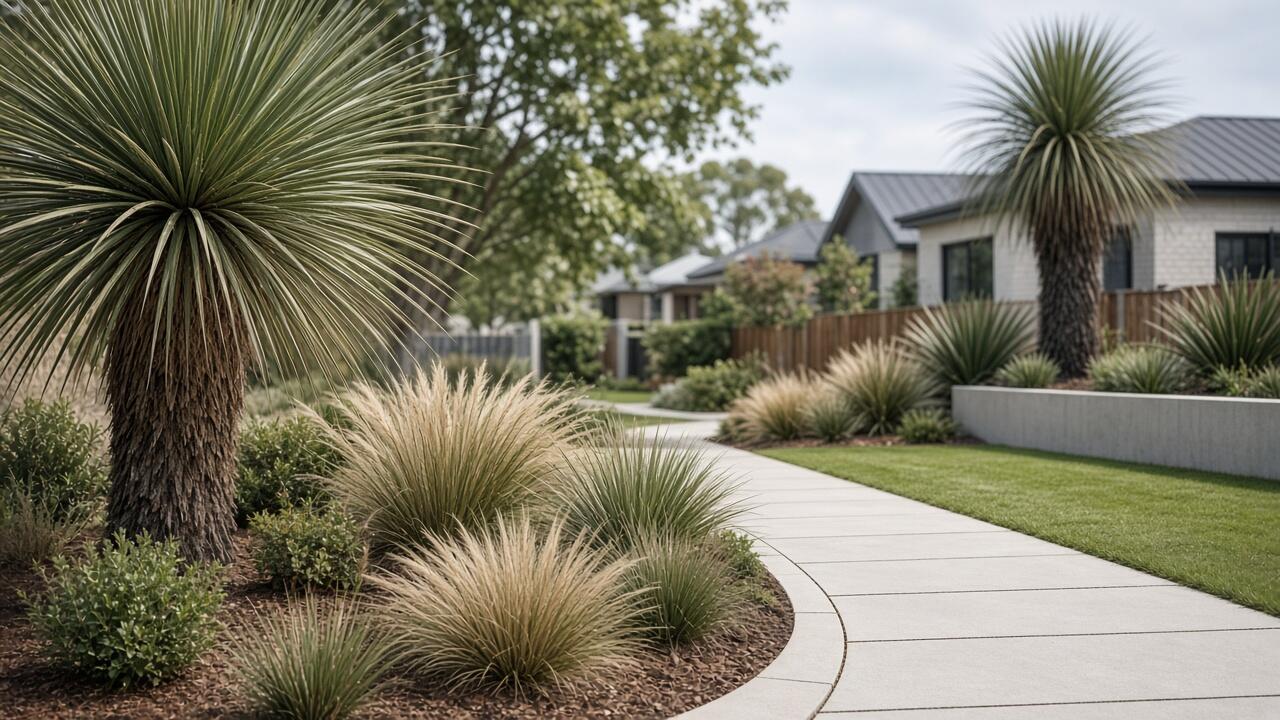
Modern front yard design creates clean, sophisticated street presence through minimalist planting, architectural hardscape, and intentional restraint. Moving beyond traditional lawn-dominated approaches, contemporary Australian front yards embrace native grasses, structural plants, and bold simplicity that suits our climate whilst delivering striking visual impact.
Understanding modern design principles - negative space, material quality over quantity, and planting for form and texture - helps you create front gardens that look intentional, feel distinctly Australian, and require far less maintenance than traditional layouts.
What Defines Modern Front Yard Style
Modern landscaping differs fundamentally from traditional cottage or formal approaches.
Key Characteristics
Clean lines and geometry:
- Straight edges and defined borders
- Rectangular or angular garden beds
- Linear pathways and paving
- Crisp transitions between materials
- Avoids curved, informal edges
Minimal lawn or no lawn:
- Lawn reduced to small panels (if any)
- Hard surfaces or garden beds dominate
- Low-maintenance priority
- Water-wise approach
- Contemporary aesthetic
Restrained plant palette:
- Fewer plant varieties, repeated
- Mass plantings for impact
- 3-5 plant types rather than 15-20
- Emphasis on form and texture over colour
- Architectural plants as features
Quality materials:
- Concrete, steel, stone, gravel
- Smooth rendered walls
- Minimalist fencing
- High-quality finishes
- Materials complement house architecture
Negative space valued:
- Unplanted areas intentional
- Space to breathe between elements
- Not filling every inch
- Mulch, gravel, or paving as design features
- Simplicity creates impact
Melbourne consideration: Modern designs suit Melbourne’s established inner suburbs (Fitzroy, Brunswick, Carlton) and contemporary Peninsula developments. Work particularly well with mid-century, contemporary, and architect-designed homes.
Native Grasses for Modern Front Yards
Grasses deliver modern aesthetic whilst thriving in Australian conditions.
Why Grasses Work
Architectural form:
- Vertical interest without height
- Movement in breeze (dynamic element)
- Soft texture contrasts with hard surfaces
- Contemporary feeling
- Year-round structure
Australian climate suited:
- Drought-tolerant once established
- Minimal water requirements
- Hardy in Melbourne conditions
- Low maintenance (annual trim)
- Tough and reliable
Textural impact:
- Fine foliage creates softness
- Contrasts with broad-leaf plants
- Catches light beautifully
- Looks modern, not fussy
- Works at any scale
Top Native Grasses for Modern Designs
Lomandra longifolia (Spiny-headed Mat-rush):
- Strappy foliage, 60-90cm height
- Extremely tough and low-maintenance
- Forms dense clumps
- Excellent for mass planting
- Various cultivars (dwarf to tall)
Poa labillardieri (Common Tussock Grass):
- Fine-textured blue-green foliage
- 30-60cm height
- Beautiful soft appearance
- Suits modern minimalist palettes
- Victorian native
Themeda triandra (Kangaroo Grass):
- Golden-brown seed heads (feature)
- 60-90cm height
- Traditional indigenous grass
- Striking in mass plantings
- Looks stunning backlit
Austrostipa elegantissima (Feather Spear Grass):
- Elegant fine foliage
- Delicate appearance despite toughness
- 60cm height
- Beautiful flowing habit
- Eye-catching seed heads
Dianella caerulea (Blue Flax Lily):
- Technically lily but grass-like form
- 40-60cm strappy foliage
- Blue flowers, blue berries
- Very hardy
- Works formal or informal
Mass planting approach: Modern designs use grasses en masse:
- Plant 5-15+ of one species together
- Creates bold impact through repetition
- Stronger visual statement than scattered singles
- Easier maintenance (uniform trimming)
- Professional appearance
For comprehensive front yard planning, see our guide on front yard landscaping ideas for Australian properties.
Minimal Lawn (or No Lawn)
Modern front yards reduce or eliminate lawn entirely.
The No-Lawn Approach
Why eliminate front lawn:
- High maintenance (mowing weekly)
- Water demands (summer especially)
- Not functional space (rarely used)
- Modern aesthetic favours alternatives
- Environmental benefits (water savings, no emissions)
What replaces lawn:
Gravel gardens:
- Attractive aggregate as ground cover
- Low maintenance
- Contemporary appearance
- Drought-tolerant
- Weed suppression with fabric underneath
Mass plantings:
- Groundcovers, grasses, or low shrubs
- Living carpet alternative
- More interesting than lawn
- Biodiversity benefits
- Once established, minimal care
Expanded paving/hardscape:
- Concrete, pavers, aggregate concrete
- Functional pathways and parking
- Clean modern appearance
- Zero maintenance
- Can soften with planting pockets
Synthetic grass (controversial):
- Always looks perfect
- No mowing or watering
- Some consider it unnatural
- Quality products convincing
- Environmental concerns (plastic, heat)
Small Lawn Panels
Strategic lawn use:
- Single rectangular panel near entry
- Small, defined area (not default groundcover)
- Crisp edge with steel or aluminium edging
- Feature rather than filler
- 15-30m² maximum
Benefits retained:
- Softness and greenness
- Familiar and welcoming
- Quick visual impact
- Manageable maintenance (small area)
- Balances hard modern materials
Peninsula consideration: Water-wise front yards increasingly expected. Mornington Peninsula Shire encourages drought-tolerant landscapes. Minimal or no lawn aligns with contemporary environmental responsibility.
Statement Plants and Architectural Features
Modern designs rely on bold individual plants rather than mixed variety.
Feature Trees
Single specimen tree creates focal point:
Corymbia ficifolia (Red Flowering Gum):
- Spectacular red/pink/orange flowers
- Architectural form
- 6-10m height
- Suits modern streetscapes
- Australian native
Eucalyptus leucoxylon (Yellow Gum):
- Elegant form, white bark
- Smaller scale (8-12m)
- Cream/pink/red flowers
- Peninsula-appropriate
- Striking presence
Acacia cognata ‘Lime Magik’:
- Weeping form, lime-green foliage
- 4-6m height
- Contemporary colour
- Fast-growing
- Softens architecture
Agonis flexuosa (Willow Myrtle):
- Weeping form, fine foliage
- 6-10m height
- Peppermint-scented
- Coastal-tolerant
- Graceful appearance
Japanese Maple (Acer palmatum):
- Non-native but classic modern choice
- Sculptural branching
- 3-5m height
- Autumn colour
- Suits shaded aspects
Placement strategy:
- One feature tree, not multiple
- Offset from centre (asymmetrical)
- Consider mature size
- Underplant simply
- Let tree be hero
Architectural Shrubs and Succulents
Bold form plants:
Agave attenuata:
- Sculptural rosette form
- Grey-blue foliage
- 1m height, 1.5m width
- Dramatic statement
- Frost-sensitive (Melbourne borderline)
Doryanthes excelsa (Gymea Lily):
- Massive strappy leaves
- Architectural rosette
- 1-2m foliage height
- Dramatic flower spike (seasonal)
- Bold statement plant
Cordyline australis (Cabbage Tree):
- Palm-like form
- Strappy foliage, branching trunks
- 3-6m height
- Coastal native
- Modern architectural presence
Yucca species:
- Spiky rosettes
- Structural impact
- Drought-tolerant
- Minimal maintenance
- Strong vertical accent
Banksia integrifolia ‘Roller Coaster’:
- Sculptural branching
- Grey-green foliage
- 2-3m height
- Distinctive form
- Australian native
Modern planting principle: One or two bold plants create stronger impact than ten mediocre ones. Restraint and quality over quantity.
Modern Hardscape Materials
Materials define modern aesthetic as much as plants.
Concrete and Aggregate
Exposed aggregate concrete:
- Contemporary textured finish
- Durable and low-maintenance
- Various aggregate colours/sizes
- Popular for driveways and paths
- Professional installation recommended
Smooth-finish concrete:
- Clean minimalist appearance
- Can be coloured or tinted
- Excellent for pathways
- Modern industrial aesthetic
- Slippery when wet (consider finish)
Polished concrete:
- High-end modern finish
- Reflects light beautifully
- More expensive
- Indoor-outdoor flow
- Requires sealing and maintenance
Steel and Metal
Corten steel edging:
- Rusted finish (controlled patina)
- Contemporary industrial look
- Extremely durable
- Defines beds and lawn panels
- Popular modern material
Aluminium or steel garden edging:
- Crisp clean lines
- Minimal visual bulk
- Long-lasting
- Various colours available (powder-coated)
- Professional appearance
Metal planter boxes:
- Modern raised bed option
- Corten, galvanised, or powder-coated
- Geometric forms
- Suits contemporary architecture
- Can be expensive
Stone and Gravel
Bluestone pavers:
- Melbourne heritage material
- Dark grey contemporary appearance
- Excellent durability
- Expensive but timeless
- Local aesthetic connection
Large-format pavers:
- 600x600mm or larger
- Contemporary proportions
- Reduces joint lines
- Clean modern look
- More expensive than standard pavers
Decorative gravels:
- White or pale gravels (modern coastal feel)
- Dark charcoal gravels (dramatic contrast)
- Fine gravels (Japanese-inspired simplicity)
- Chunky river pebbles (textural interest)
- Low-maintenance ground cover
For comprehensive paving options, see our guide on paving ideas for Australian properties.
Colour Palettes for Modern Front Yards
Modern designs employ restrained colour schemes.
Monochromatic Green
All-green palette:
- Various green foliage tones only
- Texture and form create interest
- Calm sophisticated feeling
- Suits minimalist architecture
- Easiest to execute successfully
Plant selection:
- Native grasses (various green tones)
- Structural foliage plants
- Occasional grey-green accent
- Avoid flowering feature plants
- Foliage focus
Green and Grey
Contemporary neutral palette:
- Green foliage with grey-foliage plants
- Silver, blue-grey, sage tones
- Coastal sophisticated feeling
- Suits modern and mid-century homes
- Very popular Melbourne approach
Grey-foliage plants:
- Westringia fruticosa (Coastal Rosemary)
- Eremophila species (Emu Bush)
- Eucalyptus species (various)
- Leucophyta brownii (Cushion Bush)
- Senecio species
Monochrome with Single Accent Colour
Restrained colour injection:
- Green/grey base palette
- One accent colour (orange, red, yellow)
- Flowering feature tree or mass planting
- Seasonal interest without chaos
- Controlled and intentional
Example:
- Base: Green grasses and grey shrubs
- Accent: Corymbia ficifolia (red flowers summer)
- Result: Sophisticated with seasonal drama
What Modern Designs Avoid
Multi-coloured cottage gardens:
- Too busy for modern aesthetic
- Conflicting colours
- Informal feeling
- Difficult to maintain cohesion
Rainbow variety:
- Modern design embraces restraint
- One or two colours maximum
- Simplicity creates impact
- More is less in modern landscapes
Low-Maintenance Design Strategies
Modern front yards prioritise ease of care.
Mulch and Weed Suppression
Generous mulch layers:
- 75-100mm depth
- Weed suppression fabric underneath
- Reduces maintenance dramatically
- Retains soil moisture
- Professional appearance
Modern mulch choices:
- Fine-grade bark (dark brown, neat)
- Pea gravel or crushed rock (contemporary)
- River pebbles (textural)
- Avoid chunky bark (too rustic for modern)
Drip Irrigation
Automated watering:
- Drip lines under mulch (invisible)
- Timers for set-and-forget
- Water efficiency
- Establishment phase critical
- Reduces maintenance long-term
Once-established reality: Modern natives typically need minimal supplementary water after 12-18 months establishment. Irrigation can be reduced or eliminated for hardy plants.
Designed for Minimal Intervention
Plant selection:
- Slow-growing species (less pruning)
- Natural tidy form (no shaping needed)
- Tough and hardy (no pampering)
- Once-yearly trim sufficient
Hardscape proportion:
- 40-60% hard surfaces common
- Less planted area = less maintenance
- Balanced with greenery
- Functional and practical
Creating Visual Interest Without Clutter
Modern design achieves impact through restraint.
Repetition and Rhythm
Mass plantings:
- 7-15 of one grass species
- 5-10 of one shrub species
- Creates rhythm and cohesion
- Stronger than scattered singles
- Professional landscape appearance
Repeated elements:
- Same paving throughout
- Consistent edging material
- Unified colour palette
- Creates visual calm
Layering and Texture
Plant height layers:
- Groundcover layer (under 30cm)
- Mid-layer grasses/shrubs (30-100cm)
- Feature plants/trees (100cm+)
- Creates depth without clutter
- Vertical interest maintained
Textural contrast:
- Fine grass foliage against broad leaves
- Soft plants against hard paving
- Smooth concrete against rough stone
- Tactile variety
Lighting as Feature
Modern front yard lighting:
- Uplighting feature trees
- Path lighting (minimal, sleek fixtures)
- Downlighting from soffits
- Warm white (2700-3000K) contemporary
- Illuminates architecture and key plants
Strategic placement:
- Highlight focal points
- Avoid over-lighting
- Create subtle drama
- Enhances evening street appeal
Small Modern Front Yards
Limited space suits modern minimalist approach.
Compact Modern Strategies
Vertical emphasis:
- Tall slender plants (not wide sprawl)
- Vertical batten screens
- Climbing plants on walls
- Draws eye up, creates space perception
Minimal elements, maximum impact:
- Single feature tree
- One or two plant types only
- Simple hardscape
- Negative space critical
- Less is genuinely more
Integrated parking:
- Driveway as design feature
- Quality paving materials
- Planting strips between drive and boundary
- Softens functional space
Boundary treatment:
- Low rendered wall (modern, clean)
- Timber batten screening (contemporary)
- Avoids suburban paling fence look
- Creates sophisticated street presence
For more ideas on compact spaces, see our guide on small patio ideas for Australian properties.
Modern vs Traditional: What Changes
Traditional Australian front yard:
- Large lawn area (70%+ of space)
- Mixed flower beds
- Curved garden edges
- Rose bushes and exotics
- High colour, high maintenance
Modern Australian front yard:
- Minimal or no lawn
- Mass plantings of 3-5 species
- Geometric clean lines
- Native grasses and architectural plants
- Restrained colour, low maintenance
Neither right nor wrong - depends on your priorities:
- Traditional: Familiar, colourful, higher maintenance
- Modern: Contemporary, water-wise, lower maintenance
Street Parking and Vehicle Access
Modern front yards often address parking needs elegantly.
Integrated Driveway Design
Wide driveways:
- Two-car width common (5-6m)
- Becomes major design element
- Material quality critical
- Planting strips or pockets soften expanse
Permeable paving:
- Environmentally conscious
- Council requirements increasingly common
- Grass pavers or permeable pavers
- Functional and sustainable
Driveway materials:
- Exposed aggregate (most popular)
- Large pavers (modern proportions)
- Concrete with planted strips
- Avoid: small brick pavers (dated look)
Street Parking Solutions
On-street parking properties:
- Front yard becomes pure garden (no drive)
- Maximum planting opportunity
- Pathway to entry only
- Often creates better streetscape
- More garden, less hardscape
Fencing and Boundaries
Front fencing completes modern front yard aesthetic.
Modern Fence Styles
Horizontal timber battens:
- Contemporary standard
- Hardwood or treated pine
- Various spacing (open or closed)
- Suits modern architecture perfectly
Vertical steel or aluminium slats:
- Sleek industrial appearance
- Powder-coated colours
- Low maintenance
- Premium price
Rendered masonry walls:
- Low walls (1-1.2m typical)
- Smooth render finish
- Very modern and sophisticated
- Expensive but permanent
No fence:
- Open front yards increasingly common
- Trust and openness
- Larger apparent space
- Not for everyone (privacy, pets, children)
Street Tree Coordination
Council street trees:
- Work with, not against
- Underplant appropriately
- Design around established trees
- Creates established feeling faster
- Environmental and streetscape benefits
Budget Considerations
Minimal modern front yard (60m²):
- $6,000-12,000 DIY (materials)
- $10,000-20,000 professionally landscaped
Mid-range modern front yard (80m²):
- $15,000-25,000 professionally landscaped
- Quality materials and plants
- Professional design
- Drip irrigation included
Premium modern front yard (100m²):
- $25,000-50,000+ professionally landscaped
- Designer involvement
- High-end materials (bluestone, Corten steel, feature trees)
- Comprehensive lighting
- Architectural planting
DIY savings potential:
- 30-50% cost reduction possible
- Labour-intensive (excavation, paving)
- Requires skills and time
- Professional design still valuable
Common Modern Design Mistakes
Over-simplifying to boring: Modern doesn’t mean empty. Texture, layering, and strategic planting create interest within restraint.
Wrong scale plants: Planting large-growing species in small space creates ongoing battle. Choose appropriate mature sizes.
Neglecting establishment: Modern natives still need water and care for first year. Not zero-maintenance from day one.
Poor quality materials: Modern aesthetic relies on material quality. Cheap concrete or flimsy edging undermines entire design.
Ignoring architecture: Modern front yard should complement house style. Contemporary garden with traditional cottage house looks confused.
No negative space: Filling every area with plants or features creates visual chaos. Space itself is design element.
Final Thoughts
Modern front yard design creates sophisticated, low-maintenance street presence through clean lines, restrained plant palettes, and quality materials. By embracing Australian natives - particularly grasses and architectural plants - you create landscapes that suit our climate whilst delivering contemporary aesthetic impact.
Start with these principles:
- Reduce or eliminate lawn
- Choose 3-5 plant species, repeat generously
- Invest in quality hardscape materials
- Value negative space and simplicity
- Feature one or two hero plants, not dozens
- Use Australian natives for climate suitability
Modern front yards suit:
- Contemporary or mid-century architecture
- Homeowners wanting low maintenance
- Water-conscious properties
- Clean minimalist aesthetic preference
- Professionals seeking sophisticated street presence
For Melbourne and Peninsula:
- Native grasses thrive in local conditions
- Bluestone connects to regional character
- Coastal properties suit grey-foliage plants beautifully
- Modern water-wise designs align with environmental responsibility
The result? Front yards that make strong architectural statements, require minimal ongoing maintenance, and suit Australian conditions naturally. Modern doesn’t mean cold or sterile - texture, movement, and thoughtful plant selection create warmth within contemporary frameworks.
Good modern front yard design feels intentional, sophisticated, and distinctly Australian - clean lines meeting native resilience, creating street appeal that improves rather than demands endless weekends of maintenance. That’s the real value of contemporary front yard landscaping: beauty through simplicity, impact through restraint, and outdoor spaces that work with our climate rather than fighting it constantly.
Need a Hand?
Garden bed installation, planting, and maintenance services. Get a quote from our trusted Peninsula partners.
Contact Peninsula Hard Yards →Disclosure: We share links to related local services that serve our readers in the Peninsula area.