Gravel Garden Ideas for Low-Maintenance Yards
Practical gravel garden ideas for Australian properties. Explore drought-tolerant designs, weed suppression, gravel types, feature plants, and low-maintenance approaches beyond crushed rock deserts.
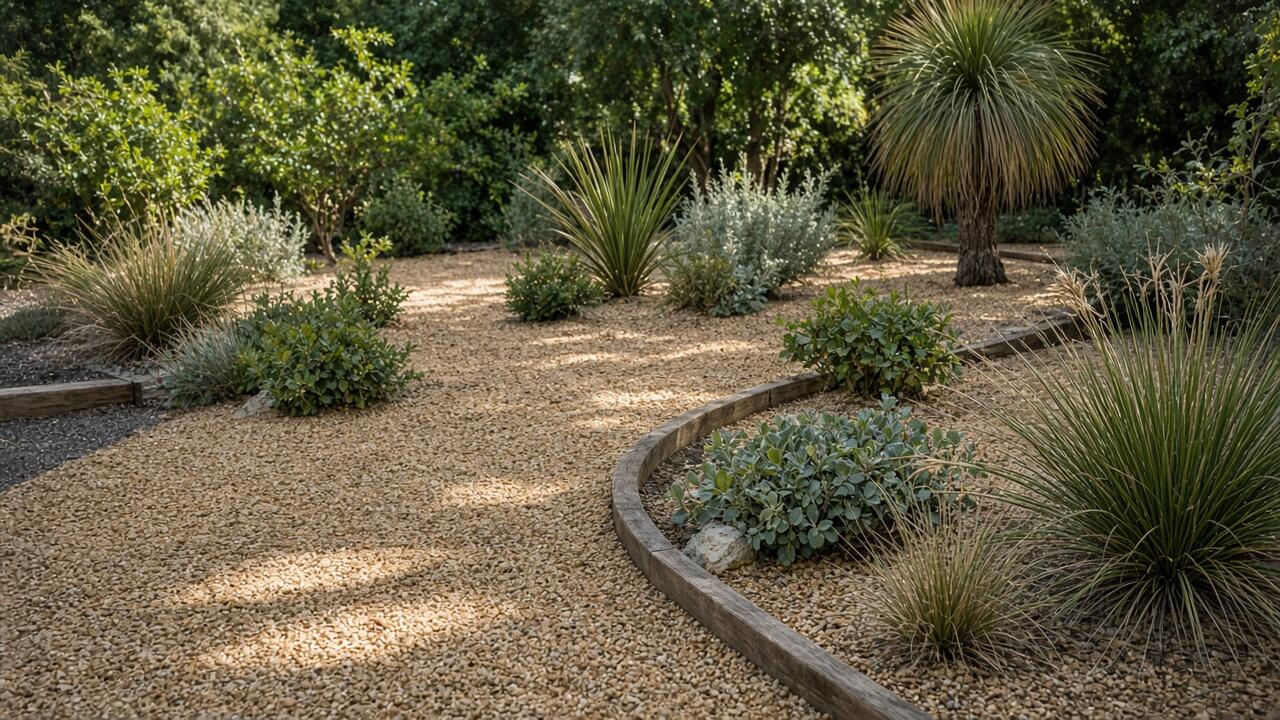
Gravel gardens deliver low-maintenance, water-wise landscapes that suit Australian conditions beautifully - when done well. Moving beyond stark “crushed rock deserts,” thoughtful gravel garden design combines attractive aggregates with strategic planting to create textured, interesting outdoor spaces that thrive despite Melbourne’s variable climate and require minimal ongoing care.
Understanding gravel types, appropriate plants, and design principles helps you create gardens that look intentional rather than neglected, and deliver genuine low-maintenance benefits without sacrificing visual appeal.
Why Gravel Gardens Work in Australia
Australian conditions favour gravel approaches.
Climate Advantages
Drought tolerance:
- Gravel mulch reduces evaporation dramatically
- Plants need less supplementary water
- Suits Melbourne’s dry summers
- Water restrictions increasingly common
- Environmental responsibility
Weather extremes:
- Gravel moderates soil temperature
- Protects roots from heat and cold
- Reduces moisture swings
- Melbourne’s variable weather managed
- Coastal and inland extremes buffered
Weed suppression:
- Properly installed gravel reduces weeds 80-90%
- Weed fabric underneath critical
- Any weeds easy to spot and remove
- Mulch replacement unnecessary
- Significant maintenance reduction
Maintenance Benefits
Minimal ongoing work:
- No mowing (obviously)
- No mulch replacement (gravel permanent)
- Rare watering (once established)
- Minimal pruning (right plant selection)
- Genuine low-maintenance outcome
Cost-effective long-term:
- Initial installation investment
- Minimal ongoing costs
- No lawn equipment needed
- Water bill savings
- Time savings valuable
Peninsula consideration: Coastal wind can displace lightweight mulch. Gravel stays put, making it particularly suitable for windy Peninsula properties.
Types of Gravel and Aggregate
Material choice dramatically affects appearance.
Decorative Gravels
White or cream gravels:
- Contemporary coastal aesthetic
- Brightens shaded areas
- Shows dirt and leaves (cleaning needed)
- Can create glare in full sun
- Popular for modern designs
Charcoal or black gravels:
- Dramatic contrast with plants
- Modern sophisticated appearance
- Absorbs heat (very hot summer)
- Shows less dirt than white
- Suits contemporary architecture
Tones of brown/tan:
- Natural appearance
- Blends with Australian landscape
- Less stark than white or black
- Practical choice
- Suits most garden styles
River pebbles:
- Smooth rounded stones
- Various sizes (20mm-100mm+)
- Larger sizes harder to walk on
- Beautiful texture
- Natural appearance
Crushed granite or basalt:
- Angular pieces (not rounded)
- Compact better for paths
- Various colours available
- Good drainage
- Economical choice
Sizing Considerations
Fine gravels (7-10mm):
- Smooth to walk on
- Neat compact appearance
- Can be blown by wind (not ideal coastal)
- Settles flat
- Good for formal areas
Medium gravels (10-20mm):
- Most versatile size
- Comfortable to walk on
- Less wind displacement
- Most common choice
- Good all-rounder
Coarse gravels (20-40mm):
- Textural impact
- Less comfortable for walking
- Excellent drainage
- Feature areas rather than paths
- Stays in place (wind-resistant)
Large pebbles (40-100mm+):
- Feature mulch only
- Difficult to walk on
- Visual interest
- Not practical for large areas
- Accent zones
Practical recommendation: 10-20mm gravel works best for most applications - walkable, attractive, stays in place, economical.
Designing Attractive Gravel Gardens
Gravel alone looks stark. Thoughtful design creates interest.
Planting Strategy
Don’t skimp on plants:
- 30-40% planted area minimum
- 60-70% gravel maximum
- Balance creates interest
- Pure gravel looks unfinished
- Plants soften hardscape
Mass plantings:
- Groups of 3-7 of one species
- Creates impact and cohesion
- Easier maintenance (uniform needs)
- Professional appearance
- Stronger than scattered singles
Layered heights:
- Groundcovers (under 30cm)
- Mid-height perennials/grasses (30-80cm)
- Feature shrubs (80-150cm+)
- Creates depth and structure
- Vertical interest maintained
Textural contrast:
- Fine grasses against broad leaves
- Soft foliage against hard gravel
- Spiky plants as accents
- Variety prevents monotony
Focal Points and Features
Feature rocks or boulders:
- Large specimen rocks (200-500kg+)
- Creates sculptural interest
- Natural or placed intentionally
- Peninsula bluestone or granite
- Adds gravitas
Sculptural plants:
- One or two hero plants
- Agaves, yuccas, grass trees
- Bold architectural forms
- Draws eye and anchors design
Pathways and edging:
- Defined gravel areas with edging
- Stepping stones through gravel
- Pavers or larger stones as path
- Creates structure
- Directs movement
Water features (optional):
- Contemporary concrete troughs
- Boulder water features
- Minimal modern fountains
- Adds life and sound
- Not essential but elevating
Avoiding “Crushed Rock Desert” Look
What makes gravel gardens look neglected:
- Insufficient planting (80%+ gravel)
- No defined edges or borders
- Weeds coming through
- Cheap industrial gravel (road base)
- Random placement without design
What makes them look intentional:
- Generous thoughtful planting (30-40%+)
- Clean edging defining areas
- Quality decorative aggregate
- Cohesive plant palette
- Negative space balanced with planted areas
For comprehensive front yard planning, see our guide on front yard landscaping ideas for Australian properties.
Best Plants for Gravel Gardens
Select plants naturally suited to dry, well-drained conditions.
Australian Native Grasses
Lomandra longifolia (Mat Rush):
- Strappy foliage, tough
- 60-90cm height
- Extremely low-maintenance
- Perfect gravel garden plant
- Various cultivars available
Poa labillardieri (Tussock Grass):
- Fine blue-green foliage
- 30-60cm height
- Soft texture
- Victorian native
- Beautiful in mass
Themeda triandra (Kangaroo Grass):
- Golden seed heads
- 60-90cm height
- Indigenous grass
- Stunning feature
- Suits gravel perfectly
Austrostipa elegantissima (Feather Spear Grass):
- Delicate appearance, tough plant
- 60cm height
- Flowing habit
- Eye-catching
- Excellent gravel companion
Mediterranean Herbs
Lavender (Lavandula species):
- Classic gravel garden plant
- Fragrant, flowers
- 40-80cm height
- Drought-tolerant
- Prune after flowering
Rosemary (Rosmarinus officinalis):
- Upright or prostrate forms
- Evergreen foliage
- Blue flowers
- Culinary use
- Extremely tough
Thyme (Thymus species):
- Groundcover varieties excellent
- Fragrant foliage
- 5-15cm height
- Handles foot traffic
- Between stepping stones
Sage (Salvia species):
- Various ornamental types
- Grey foliage common
- 40-80cm height
- Drought-tolerant
- Long flowering
Succulents and Architectural Plants
Agave species:
- Bold rosette forms
- 50-150cm diameter
- Dramatic statement
- Very drought-tolerant
- Frost-tender (Melbourne borderline)
Aloe species:
- Rosette forms, various sizes
- Orange/red flowers
- 30-100cm height
- Tough and striking
- Some frost-hardy
Echeveria species:
- Small rosettes
- 10-30cm diameter
- Ground-level interest
- Various colours
- Frost-sensitive
Sedum species:
- Succulent groundcovers
- 5-40cm height
- Tough and spreading
- Various colours
- Excellent gravel garden plants
Feature Shrubs
Westringia fruticosa (Coastal Rosemary):
- Grey-green foliage
- 1-1.5m height
- Coastal native
- Excellent screen or feature
- Very hardy
Eremophila species (Emu Bush):
- Grey foliage, colourful flowers
- 1-2m height
- Extremely drought-tolerant
- Various species available
- Australian native
Leucophyta brownii (Cushion Bush):
- Silver-grey mounding form
- 30-60cm height
- Coastal native
- Distinctive texture
- Peninsula-appropriate
Banksia species (smaller varieties):
- Distinctive foliage and flowers
- 1-3m height
- Australian native
- Architectural presence
- Attracts birds
Groundcovers
Myoporum parvifolium (Creeping Boobialla):
- Prostrate groundcover
- 10-20cm height, spreading
- White flowers
- Tough native
- Excellent gravel companion
Carpobrotus glaucescens (Pigface):
- Succulent groundcover
- 10cm height, spreading
- Pink/purple flowers
- Coastal native
- Salt-tolerant
Native Violets (Viola hederacea):
- Delicate groundcover
- 5-10cm height
- Purple flowers
- Softens gravel areas
- Shade-tolerant
Installation Process
Proper installation critical for long-term success.
Site Preparation
Remove existing vegetation:
- Kill lawn or weeds completely
- Physically remove or spray (glyphosate)
- Wait 2-3 weeks for complete die-off
- Don’t skip this step
- Living weeds will push through
Level and grade:
- Ensure proper drainage
- Minimum 1:100 fall away from structures
- Remove high spots, fill low spots
- Compact soil lightly
- Stable base essential
Weed Fabric Layer
Commercial weed mat essential:
- Heavy-duty woven fabric
- Not cheap plastic sheet (prevents drainage)
- Overlap edges 150-200mm
- Secure with pins or stakes
- Critical for weed suppression
Cut holes for plants:
- Cross-cut for each plant
- Fold fabric back around plant
- Gravel covers edges
- Allows planting whilst maintaining barrier
Peninsula clay soil consideration: Ensure fabric is permeable. Clay drainage poor enough without impermeable layer blocking it further. Quality woven fabric allows water through whilst blocking weeds.
Gravel Application
Depth requirements:
- Minimum 50mm depth
- 75mm ideal for paths
- 100mm for feature areas
- Don’t skimp (inadequate depth allows weeds)
- Settles over time
Installation approach:
- Barrow in gravel, spread evenly
- Rake smooth and level
- Around plants carefully
- Top up after settling (few weeks)
- Clean finish essential
Edging and Borders
Define gravel areas:
- Steel or aluminium edging
- Treated timber sleepers
- Brick or paver borders
- Prevents gravel spread
- Creates neat finish
Transition to lawn:
- Mowing strip (pavers at lawn height)
- Clear boundary
- Easier lawn maintenance
- Professional appearance
For lawn edging ideas, see our guide on lawn edging ideas that stay neat.
Gravel Garden Styles
Mediterranean Style
Characteristics:
- Herbs and lavender
- Terracotta pots
- Warm-coloured gravels (tan, cream)
- Relaxed informal feeling
- Suits cottage and coastal homes
Plant palette:
- Lavender, rosemary, sage
- Olive trees (feature)
- Citrus in pots
- Grape vines on pergola
- Mediterranean herbs
Hardscape:
- Terracotta pavers or tiles
- Rendered walls
- Timber pergola
- Warm earthy colours
Contemporary Modern
Characteristics:
- Clean lines and geometry
- Limited plant palette
- Architectural plants
- Grey or white gravels
- Suits modern architecture
Plant palette:
- Native grasses (mass planted)
- Agaves or architectural succulents
- Single feature tree
- 3-5 species maximum
- Restrained and minimal
Hardscape:
- Concrete pavers
- Steel edging
- Corten steel features
- Modern clean materials
For modern landscaping ideas, see our guide on modern Australian front yard ideas.
Australian Native Garden
Characteristics:
- Exclusively Australian natives
- Natural bush aesthetic
- Attracts birds and wildlife
- Suits bush properties
- Environmentally focused
Plant palette:
- Native grasses (various)
- Grevilleas and banksias
- Grass trees (Xanthorrhoea)
- Ground-level natives
- Peninsula-appropriate species
Hardscape:
- Local stone features
- Timber elements
- Natural gravels (brown/grey)
- Minimal intervention
Coastal Garden
Characteristics:
- Wind-tolerant plants
- Salt-hardy species
- Light gravels (white/cream)
- Relaxed beach feeling
- Peninsula properties
Plant palette:
- Coastal rosemary (Westringia)
- Pigface and succulents
- Coastal banksia
- Lomandra varieties
- Native violets (shelter)
Hardscape:
- White or cream gravels
- Driftwood features (optional)
- Simple clean design
- Coastal materials
Sloped Sites and Erosion Control
Gravel gardens work well on slopes.
Sloped Site Advantages
Erosion prevention:
- Gravel mulch prevents soil wash
- Plant roots stabilise slope
- Better than bare soil or lawn
- Drainage managed
Maintenance easier:
- No mowing on slopes
- Gravel stays in place
- Plant trimming only maintenance
- Safer than slope mowing
Installation Considerations
Terracing (if necessary):
- Low retaining walls create flat areas
- Makes planting easier
- Improves usability
- Not always essential
Plant selection:
- Spreading plants bind soil
- Deep-rooted shrubs stabilise
- Avoid shallow-rooted varieties
- Ground-level coverage critical
Drainage channels:
- Direct water around planted areas
- Prevent channeling and erosion
- Simple swales sufficient
- Professional assessment steep slopes
For steep site solutions, see our guide on retaining wall ideas for Australian properties.
Maintenance Requirements
Gravel gardens genuinely low-maintenance - but not zero.
Ongoing Tasks
Weeding:
- Minimal with proper installation
- Any weeds easy to spot and remove
- Quarterly check sufficient
- Spot-treat or hand-pull
- Most common maintenance task
Leaf and debris removal:
- Blow or rake leaves off gravel
- Prevents organic matter breakdown
- Maintains appearance
- More frequent in autumn
- Coastal wind areas accumulate less
Plant trimming:
- Annual cut-back for grasses (spring)
- Occasional shrub pruning
- Dead-heading flowers (optional)
- Shape maintenance minimal
- Significantly less than traditional gardens
Gravel top-up:
- Settles and disperses over time
- Top up every 3-5 years
- 10-20mm additional layer
- Refreshes appearance
- Minimal cost
Watering:
- First year establishment only
- Deep infrequent watering preferable
- After establishment, rarely needed
- Hand-water new plants
- Melbourne rainfall usually sufficient established plants
Peninsula-specific:
- Coastal wind may move fine gravels (choose larger)
- Salt spray on plants (occasional hose-off)
- Weed fabric inspection (quality fabric lasts 10+ years)
Cost Expectations
DIY small gravel garden (20m²):
- Gravel: $200-400 (depending on type)
- Weed fabric: $50-100
- Edging: $100-300
- Plants: $200-500
- Total: $550-1,300
DIY medium gravel garden (50m²):
- Gravel: $500-1,000
- Weed fabric: $100-200
- Edging: $250-600
- Plants: $500-1,000
- Total: $1,350-2,800
Professional installation (50m²):
- Site prep and installation: $1,500-3,000
- Materials: $1,000-2,000
- Plants: $800-1,500
- Design (optional): $500-1,500
- Total: $3,800-8,000
Cost comparison: Lawn (50m² with irrigation installed): $1,500-3,000 initial, plus ongoing mowing, water, maintenance costs. Gravel garden (50m²): $3,000-5,000 initial, minimal ongoing costs.
Long-term gravel gardens more cost-effective despite higher initial investment.
Common Mistakes to Avoid
Inadequate weed fabric: Cheap plastic or skipping fabric entirely. Weeds will dominate within months. Use quality woven fabric.
Insufficient gravel depth: 30-40mm depth inadequate. Weeds push through. Minimum 50mm, ideally 75mm.
Poor drainage preparation: Gravel on poorly-drained clay becomes muddy swamp. Address drainage before installing gravel.
Too little planting: 80-90% gravel looks stark and neglected. Minimum 30% planted area for attractive gardens.
Wrong plants: High-water plants in gravel garden struggle and look poor. Choose drought-tolerant species naturally.
No edging: Gravel spreads into lawn or paths. Define borders with proper edging.
Industrial gravel choices: Road base or cheap crusher dust looks like building site. Use decorative gravels.
Water-Wise Garden Benefits
Melbourne water restrictions:
- Gravel gardens exempt from watering restrictions (once established natives)
- Lawn watering often prohibited
- Environmentally responsible choice
- Future-proofed against water scarcity
Water bill savings:
- Significant reduction in water use
- Once established, minimal supplementary watering
- Savings compound over years
- Environmental and economic benefits
Peninsula considerations:
- Coastal properties increasingly water-conscious
- Gravel gardens suit Peninsula climate perfectly
- Wind and salt-tolerant plants thrive
- Sustainable landscape approach
Pets and Children
Pet-friendly:
- Dogs and cats navigate gravel fine
- More hygienic than mud
- Can be hot on paws (summer, dark gravel)
- Digging dogs may displace gravel
- Generally suitable
Children:
- Fine to medium gravel safe
- Avoid large sharp rocks
- Play areas better with lawn or soft-fall
- Gravel gardens work for visual areas, not active play zones
Final Thoughts
Gravel gardens deliver genuinely low-maintenance, water-wise landscapes that suit Australian conditions beautifully when designed with care and planted thoughtfully. Moving beyond the stark crushed-rock-only approach, well-designed gravel gardens balance attractive aggregates with strategic planting to create textured, interesting outdoor spaces that require minimal ongoing care.
Choose gravel gardens when:
- Low maintenance priority
- Water-wise landscape desired
- Poor soil or drainage challenges
- Sloped sites difficult to maintain
- Contemporary aesthetic preferred
- Time-poor homeowners
For successful results:
- Install quality weed fabric (critical)
- Choose decorative gravels (not industrial products)
- Plant generously (30-40% minimum)
- Select drought-tolerant appropriate plants
- Define gravel areas with proper edging
- Minimum 50-75mm gravel depth
Melbourne and Peninsula suitability:
- Suits variable Melbourne climate
- Handles summer dry periods
- Peninsula coastal wind no problem
- Salt-tolerant plants for coastal properties
- Water restrictions increasingly common (gravel gardens future-proof)
Plant selection critical: Australian natives, Mediterranean herbs, and succulents thrive in gravel conditions. Mass plantings of 3-7 species create cohesion. One or two feature plants provide focal points. Avoid high-water plants that struggle in dry conditions.
The result? Gardens that look sophisticated rather than neglected, require minimal watering once established, suppress weeds effectively, and demand far less ongoing maintenance than traditional lawn or garden bed approaches. Initial installation investment pays dividends through reduced water bills, eliminated mowing, and minimal ongoing care requirements.
Good gravel garden design balances hard and soft elements - attractive aggregate as canvas, strategic planting for texture and life, thoughtful placement creating visual interest within low-maintenance framework. Done well, gravel gardens prove that low-maintenance doesn’t mean low-quality, and water-wise can be beautiful, textured, and entirely intentional.
That’s the real promise of gravel gardens: sustainable, practical outdoor spaces that work with Australian climate rather than fighting it, whilst delivering visual appeal that improves rather than demands constant weekend maintenance.
Need a Hand?
Garden bed installation, planting, and maintenance services. Get a quote from our trusted Peninsula partners.
Contact Peninsula Hard Yards →Disclosure: We share links to related local services that serve our readers in the Peninsula area.