Courtyard Ideas Australia
Discover practical courtyard design ideas for small urban Australian spaces. Learn to balance paving and planting, maximise vertical gardens, manage microclimates, and transform compact courtyards into functional outdoor living areas.
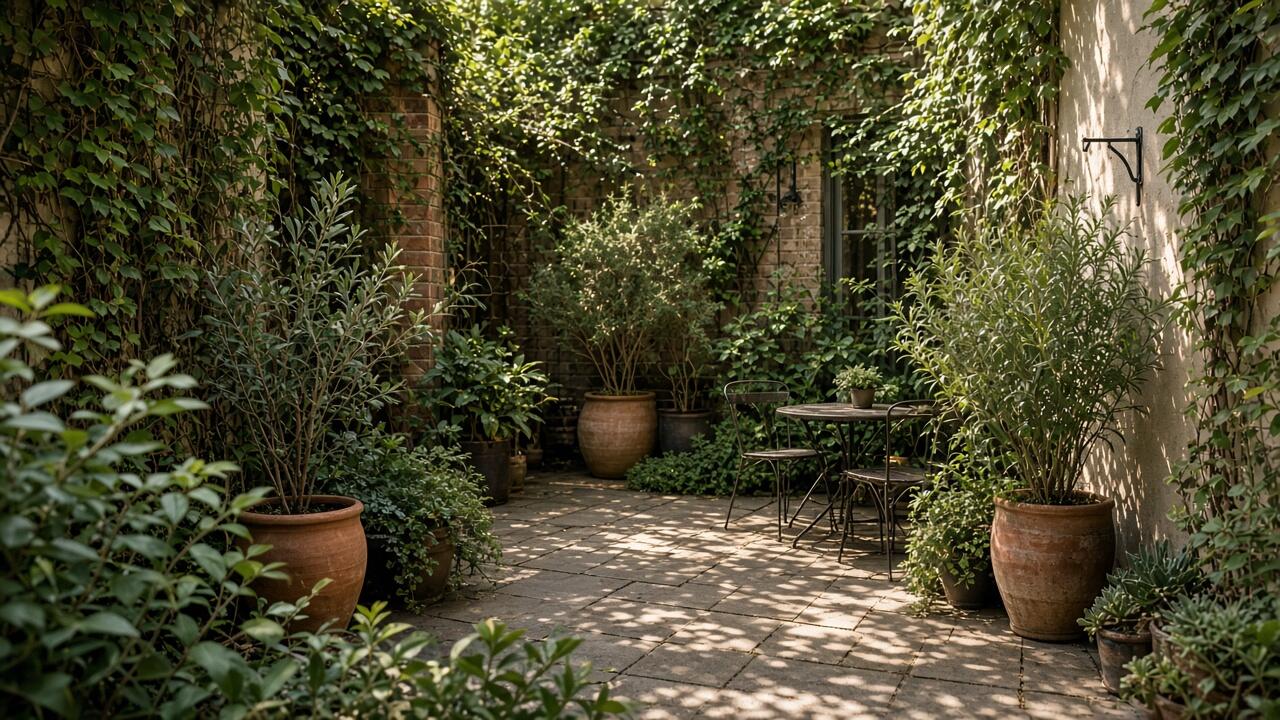
Urban Australian courtyards present unique design challenges: limited square metreage, overlooked privacy concerns, harsh microclimates with limited airflow, and the need to balance hard surfaces with softening greenery within tight spatial constraints. These small enclosed outdoor spaces—common in townhouses, terraces, and inner-urban homes—demand strategic design to maximise function, comfort, and aesthetic appeal from areas measuring just 10-30 square metres typically.
Successful courtyard design acknowledges spatial limitations whilst creating rooms that feel generous rather than cramped. Strategic material choices, vertical gardening techniques, careful plant selection for specific courtyard microclimates, and integrated storage solutions transform overlooked side yards and poky back spaces into valued extensions of indoor living that enhance daily life and property value.
Understanding how to proportion paving versus planting, work with challenging light and wind conditions, create privacy without claustrophobia, and select materials suited to small spaces helps Australian homeowners maximise limited outdoor areas common across urban property stock.
Small Urban Courtyard Fundamentals
Courtyard design operates under different constraints than open gardens.
What Defines a Courtyard
Typical characteristics:
- Enclosed by walls or fences (three or four sides)
- Limited size (10-50 square metres typical urban)
- Often shaded (buildings block sun)
- Overlooked by neighbouring windows
- Poor air circulation (enclosed space)
- Hard surfaces dominate (limited soil area)
Common locations:
- Rear yard of terraces or townhouses
- Side yards (narrow service areas)
- Internal courtyards (surrounded by building)
- Balconies and rooftops (vertical courtyards)
- Basement level areas (light wells)
Challenges:
- Space constraints limit furniture and planting
- Microclimates (too hot, too cold, too shady)
- Privacy from overlooking neighbours
- Storage for bins, tools, outdoor items
- Making space feel larger than it is
- Drainage and maintenance access
Opportunities:
- Low-maintenance manageable space
- Year-round usability (small area easier to shelter)
- Intimate entertaining scale
- Extension of interior living (seamless indoor-outdoor)
- Feature planting visible from inside
- Property value enhancement
Design Priorities for Small Spaces
Functionality first:
- What will courtyard be used for?
- Dining, relaxing, entertaining, gardening?
- Children’s play space?
- Dog yard?
- Service area (bins, storage)?
- Design serves function
Quality over quantity:
- Few premium materials better than cheap variety
- Select statement plants rather than crowded collections
- Invest in key pieces (good furniture, feature pot)
- Edited palette creates cohesion
- Simplicity prevents visual clutter
Vertical maximisation:
- Limited floor space demands vertical thinking
- Wall-mounted planting
- Climbing plants on structures
- Tall narrow plants (not spreading)
- Overhead pergolas or shade structures
- Storage goes vertical (wall hooks, shelving)
Integrated storage:
- Bench seats with storage underneath
- Wall-mounted hooks and shelving
- Slim shed or cupboard
- Hide bins, tools, hoses
- Clutter destroys small space appeal
- Design storage into layout (not afterthought)
Light and flow:
- Pale colours reflect light (dark colours shrink space)
- Clear paths (don’t obstruct movement)
- Avoid dividing space unnecessarily
- Consider sight lines from interior
- Designed from inside-out perspective
- Maintain open feel despite enclosure
For broader patio and outdoor living design principles, see our guide on small patio ideas for compact Australian backyards.
Paving and Planting Balance
Proportion between hard surfaces and greenery defines courtyard character.
Paving Approaches
Dominant paving (70-80% hard surface):
- Maximises usable living space
- Accommodates dining table and seating
- Low maintenance priority
- Contemporary aesthetic
- Planting in pots or narrow borders
- Suits high-use entertaining courtyards
Advantages:
- Easy to furnish and use
- Simple to keep clean
- Weatherproof surface
- Works for small children (ride-on toys, play)
- Accessible for elderly or mobility limitations
Disadvantages:
- Can feel stark or hard
- Limited biodiversity
- Heat reflection (hot in summer)
- Less environmental benefit
- Requires quality paving (cheap paving ugly)
Balanced approach (50-60% hard surface):
- Paved areas for furniture and circulation
- Generous planting beds or pots
- Softer aesthetic
- Moderate maintenance
- Most popular courtyard style
- Flexible for various uses
Advantages:
- Visual interest from plants
- Softens built environment
- Seasonal change and colour
- Better microclimate (plants moderate temperature)
- Appeals to wider range of tastes
Disadvantages:
- Less space for furniture
- Moderate garden maintenance
- Planting care required
- More upfront design complexity
Garden-focused (30-40% hard surface):
- Narrow paths and small paved sitting area
- Maximises planting space
- Garden enthusiasts
- Requires regular maintenance commitment
- Feature plants and collections
Advantages:
- Lush, green character
- Supports birds, insects
- Passionate gardeners’ preference
- Cooling effect (shade and transpiration)
- Visual richness
Disadvantages:
- Limited entertaining space
- Higher maintenance
- May feel overgrown (needs editing)
- Restricts furniture placement
- Not suited to minimal-maintenance priorities
Paving Material Choices
Large format pavers or tiles:
- 600x600mm or larger
- Makes small space feel bigger (fewer joints)
- Contemporary clean aesthetic
- Pale colours best (light reflection)
- Porcelain or concrete pavers
Cost:
- $40-100 per square metre (materials)
- Professional installation: $60-100 per square metre
- 20 square metres paving: $2,000-4,000 installed
Crazy paving (natural stone):
- Informal, cottage aesthetic
- Suits heritage or character properties
- Adds visual texture
- Can make small space feel busy (use judiciously)
- Sandstone or slate typical
Cost:
- $50-90 per square metre (materials)
- Installation: $80-150 per square metre
- 20 square metres: $2,600-4,800 installed
For detailed comparison of paving options including permeable alternatives, see our guide on paving ideas for Australian properties.
Gravel:
- Budget option
- Informal aesthetic
- Drainage-friendly
- Requires edging (steel or timber)
- Not ideal for furniture (unstable)
Cost:
- $30-60 per square metre installed
- Cheapest courtyard paving
- Maintenance: gravel migration, weeds
- Better for paths than living areas
Bluestone or natural stone:
- Premium aesthetic (Melbourne heritage look)
- Cool tones suit urban settings
- Expensive but timeless
- Thermal mass (cool in summer)
Cost:
- $100-200+ per square metre installed
- 20 square metres: $2,000-4,000+ installed
- Investment paving for high-value properties
Timber decking:
- Warm, organic aesthetic
- Suits contemporary or beach-style
- Maintenance required (oiling)
- May suit level sites (no excavation)
Cost:
- $110-180 per square metre installed (hardwood)
- 20 square metres: $2,200-3,600 installed
- Consider composite (low maintenance)
Planting Integration
In-ground garden beds:
- Best plant health (access to soil)
- Permanent planting
- Can grow larger plants and small trees
- Requires initial excavation and edging
- Fixed layout
Advantages:
- Healthier plants (root space, moisture access)
- Lower ongoing watering (soil reservoir)
- Supports larger specimens
- Long-term investment
Disadvantages:
- Reduces paved area
- Fixed commitment
- May complicate future changes
- Requires quality soil (often need to import)
Large pots and planters:
- Flexible placement (move seasonally)
- Suits renters (take plants when moving)
- Instant impact
- Wide variety styles and sizes
- Easier retrofit to existing courtyards
Advantages:
- Flexibility (rearrange, replace plants)
- No excavation required
- Rental-friendly
- Feature pots as design elements
- Control soil quality easily
Disadvantages:
- More frequent watering (limited soil volume)
- Expensive for large pots
- May blow over in wind (need stability)
- Smaller plants than in-ground equivalents
Pot sizing:
- Small courtyard: fewer large pots better than many small
- Minimum 400mm diameter for impact
- Group in odd numbers (3 or 5) for visual effect
- Large pots (600-800mm) as feature elements
- Quality pots investment (cheap pots ugly)
Built-in planters:
- Brick, block, or timber raised beds
- Integrated design element
- Can incorporate seating (planter edges)
- Permanent structure
- Good for difficult sites (poor soil, drainage)
Advantages:
- Architectural statement
- Soil volume for healthy plants
- Seating integration
- Professional finished appearance
Disadvantages:
- Higher upfront cost
- Permanent commitment
- Requires construction skills or contractor
- May need drainage and waterproofing
Vertical Gardens and Wall Planting
Limited floor space demands vertical thinking.
Climbers and Trellis
Value of climbers:
- Soften hard walls and fences
- Privacy screening
- Maximum foliage from minimal root space
- Seasonal interest (flowers, autumn colour)
- Green walls without expensive systems
Suitable climbers (Melbourne courtyards):
- Star Jasmine: evergreen, fragrant white flowers, full sun to part shade
- Hardenbergia (native sarsaparilla): Australian native, purple flowers, tough
- Bower Vine: glossy foliage, fast coverage, shade tolerant
- Clematis: deciduous, showy flowers, needs support
- Climbing roses: flowers and fragrance, full sun, deciduous
- Pandorea jasminoides (bower plant): Australian native, pink or white flowers
Trellis and support:
- Wall-mounted trellis (50-100mm off wall for air circulation)
- Tensioned wire systems (contemporary aesthetic)
- Timber batten screens (double as privacy screens)
- Steel mesh or grids (architectural)
- Must be secure (climbing plants heavy when mature)
Installation considerations:
- Fix to wall studs or masonry (not just render)
- Allow air circulation behind climbers (prevents wall damp)
- Consider future painting access (removable systems)
- Irrigation for wall-planted climbers (minimal soil volume)
Living Walls and Vertical Planters
Modular pocket systems:
- Wall-mounted fabric pockets
- Plant individual pockets
- Suitable herbs, small perennials, succulents
- Requires irrigation (drip system or hand watering)
- Contemporary aesthetic
Cost:
- DIY pocket systems: $50-150 per square metre
- Professional living wall installation: $300-800+ per square metre
- Ongoing maintenance significant (watering, plant replacement)
Frame and trough systems:
- Vertical frame with horizontal planting troughs
- Better water retention than pockets
- Suits larger plants
- Can be freestanding or wall-mounted
- More robust than pocket systems
Pros:
- Dramatic visual impact
- Maximum planting in minimal space
- Contemporary design statement
- Cooling effect (evapotranspiration)
Cons:
- High initial cost (professional systems)
- Ongoing maintenance (watering critical, no forgiveness)
- Plant replacement required
- May require professional installation and irrigation
- Not low-maintenance solution
Reality check: Living walls impressive but high-maintenance and expensive. Climbing plants on simple trellis deliver similar visual impact, lower cost, less ongoing effort. Reserve living walls for enthusiast gardeners or budgets accommodating professional maintenance.
Wall-Mounted Pots and Shelving
Simpler vertical gardening:
- Individual pots on wall brackets
- Mounted pot holders
- Timber or steel shelving with pots
- More maintenance-accessible than pocket systems
- Flexible plant choice
Advantages:
- Lower cost than living walls
- Easy plant access (watering, replacement)
- Flexible arrangement
- Suits renters (removable)
- Variable commitment (start small, expand)
Installation:
- Wall brackets into masonry or studs
- Shelving supported adequately (pots heavy when wet)
- Consider drip collection (avoid wall staining)
- Group for visual impact (individual pots look scattered)
Managing Courtyard Microclimates
Enclosed spaces create challenging growing conditions.
Light Limitations
Shaded courtyards:
- Common in urban areas (buildings block sun)
- Limited plant palette (shade-tolerant species)
- Can feel dark and dank (design challenge)
- May be cooler (advantage summer, disadvantage winter)
Design strategies:
- Pale paving (reflects light)
- White or cream walls (maximise brightness)
- Glossy foliage plants (reflect available light)
- Feature lighting (artificial light enhances usability)
- Embrace shade aesthetic (don’t fight it)
Shade-tolerant plants:
- Ferns: soft texture, lush appearance
- Mondo grass: border edging, groundcover
- Clivia: orange flowers spring, shade-loving
- Hellebores: winter flowers, tough perennial
- Japanese Maple: small tree, feature plant
- Camellias: evergreen shrub, winter-spring flowers
Sun-trapped courtyards:
- Surrounded by masonry walls (heat retention)
- Limited airflow (oppressive heat summer)
- High UV exposure (plants and furniture fade)
- May be unusable peak summer days
Design strategies:
- Shade structures (pergolas, sails)
- Light colours (reduce heat absorption)
- Water features (cooling effect)
- Deciduous climbers (summer shade, winter sun)
- Avoid dark paving (becomes extremely hot)
Heat-tolerant plants:
- Succulents: agaves, aloes (architectural forms)
- Mediterranean herbs: rosemary, lavender (handle heat and dry)
- Lomandra: Australian native grass, tough
- Westringia (coastal rosemary): evergreen native shrub
- Bougainvillea: vibrant flowers, loves heat
- Ornamental grapes: deciduous climber, edible bonus
Wind and Airflow
Wind tunnels:
- Narrow courtyards accelerate wind
- Damaging to plants
- Uncomfortable for sitting
- Pots blow over
Solutions:
- Baffles (angled screens deflect wind up or down)
- Dense screening plants (filter wind)
- Weighted pot bases (prevent tipping)
- Shelter sensitive plants (group in protected corner)
- Pergola or overhead structure (reduces wind speed)
Stagnant air:
- Enclosed courtyards (minimal breeze)
- Hot, oppressive summer conditions
- Mould and fungal issues (damp corners)
- Uncomfortable sitting
Solutions:
- Gaps in screening (allow some airflow)
- Avoid solid fences (use slatted or open designs)
- Ceiling fans on covered areas (artificial airflow)
- Water features (perceived cooling even without airflow)
- Plant health management (fungal diseases in still air)
Drainage
Hard surfaces:
- Need proper fall (1:100 minimum to drainage point)
- Stormwater grate or ag pipe
- Prevent pooling (mosquitoes, slippery surfaces)
- Often overlooked in courtyard renovations
Pots and planters:
- Must have drainage holes
- Elevate off paving (pot feet or tiles)
- Saucers collect water (empty regularly to prevent mosquitoes)
- Over-watering common small courtyards (rain plus irrigation)
Drainage solutions:
- Permeable paving (allows infiltration)
- Ag pipe under paving (if solid paving used)
- Connect downpipes to stormwater (not pooling in courtyard)
- Grade away from building foundations
For detailed drainage guidance including challenging clay soils and water management, see our guide on garden drainage for Victorian properties.
Privacy Screening
Courtyards often overlooked by neighbouring windows.
Screening Options
Tall fencing or walls:
- Immediate privacy
- Structural solution
- May require council approval (height limits typically 1.8m on boundary)
- Can feel enclosed (balance privacy vs openness)
- Expensive for large areas
Trellis extensions:
- Extend fence height with open trellis
- Less imposing than solid extension
- Support climbers (green privacy)
- Often permitted where solid fence isn’t
- DIY-friendly addition
Batten screens:
- Timber or steel vertical or horizontal battens
- Modern architectural aesthetic
- Filters views (not solid privacy)
- Allows light and airflow
- Freestanding or fence-mounted
Cost (2m high screen, 3m long):
- Timber batten screen: $400-800 materials + installation
- Powder-coated steel: $800-1,500 materials + installation
- DIY or professional depending on complexity
Shade sails and canopies:
- Overhead screening from upstairs overlooking
- Provides shade and privacy
- Temporary or permanent
- Allows breeze underneath
- Various colours (light colours better)
Plant screening:
- Tall screening plants in pots or beds
- Slower than structural solutions
- Softens courtyard
- Requires maintenance (pruning)
- May not provide year-round privacy (deciduous plants)
Screening plants (suitable pots or narrow beds):
- Bamboo: fast-growing, evergreen, suits pots (clumping varieties non-invasive)
- Screening grasses: Miscanthus, upright ornamental grasses
- Lilly Pilly: Australian native, dense foliage, trimmed to shape
- Photinia: red new growth, dense evergreen hedge
- Narrow columnar conifers: Pencil Pine, Italian Cypress (formal)
For detailed plant screening options and design approaches, see our guide on outdoor privacy screen ideas.
Balancing Privacy and Light
Common mistake:
- Over-screening creates dark, enclosed feeling
- Privacy important but not at expense of liveability
- Strategic screening better than full enclosure
Strategic approach:
- Screen specific problem views only
- Leave other areas open
- Overhead screening (upstairs windows)
- Translucent materials (filter views, allow light)
- Deciduous plants (summer privacy, winter light)
Furniture and Features
Scale and selection critical in small courtyards.
Furniture Sizing
Right-sized pieces:
- Measure courtyard accurately (sketch to scale)
- Choose furniture that fits comfortably (allow circulation)
- Round table often fits better than rectangular (tight spaces)
- Folding or stackable furniture (flexibility)
- Built-in seating maximises space (bench against wall)
Typical furniture (small courtyard):
- 2-4 person dining set: 1-1.2m diameter round table, 4 chairs
- Or small rectangular (1.2m x 0.8m)
- Bench seating (wall-mounted or freestanding)
- Couple of lounge chairs (not full lounge suite)
- Coffee table (small, moveable)
Materials:
- Aluminium: lightweight, weatherproof, modern
- Timber: traditional aesthetic, requires maintenance
- Steel: durable, industrial aesthetic, heavy
- Wicker/synthetic rattan: comfortable, suits covered areas
- Quality matters (cheap furniture ugly in small visible space)
Features and Focal Points
Water features:
- Wall-mounted (space-saving)
- Small bowls or pots (modest scale)
- Sound masks traffic noise (urban benefit)
- Cooling psychological effect
- Requires electricity and water (installation consideration)
Cost:
- Wall fountain: $200-800
- Professional installation (plumbing, electrical): $500-1,500
- DIY installation cheaper (solar powered options available)
Fire elements:
- Outdoor heaters (extend seasonal use)
- Small fire pit or table (gas or ethanol)
- Strict regulations urban areas (check local council)
- Must consider smoke impact neighbours
- Safety consideration small spaces
Lighting:
- Essential small courtyards (limited daylight)
- Extends usability evening
- Feature lighting (uplights on plants, wall washing)
- Practical lighting (paths, dining area)
- Solar or 12V LED systems (DIY-friendly)
Sculpture or art:
- Feature piece adds personality
- Scale-appropriate (small space = small sculpture)
- Wall-mounted art (ceramic tiles, metal pieces)
- Pot as sculpture (large statement pot)
Herb gardens:
- Practical and ornamental
- Suits small spaces (pots or wall planters)
- Kitchen access (convenient courtyard location)
- Engages children (if family home)
Final Thoughts
Urban Australian courtyards transform limited enclosed outdoor spaces into valuable extensions of indoor living through strategic design addressing spatial constraints, challenging microclimates, privacy requirements, and functional demands. Success depends on realistic assessment of courtyard purpose, honest appraisal of maintenance commitment, and careful proportion between hard surfaces and softening greenery suited to specific light and exposure conditions.
Paving and planting balance: Dominant paving (70-80% hard surface) maximises functional space for furniture and entertaining whilst requiring minimal maintenance. Balanced approach (50-60% paving) creates softer aesthetic with generous planting, suits moderate maintenance acceptance. Garden-focused courtyards (30-40% paving) appeal to passionate gardeners accepting regular upkeep commitment. Most urban courtyards succeed with balanced or paving-dominant approaches matching Australian outdoor living priorities.
Material choices: Large format pavers (600x600mm+) or continuous surfaces make small spaces feel larger (fewer joints create visual simplicity). Pale colours reflect light (particularly important shaded courtyards). Quality materials essential—small visible space amplifies cheap material appearance. Budget $2,000-5,000 for 20 square metre courtyard paving (materials and installation). Premium natural stone ($4,000-8,000) suits high-value properties where courtyard visible from main living areas.
Vertical gardening: Wall-mounted climbers on simple trellis deliver maximum greenery from minimal root space at modest cost ($50-200 per wall). Climbing plants soften hard surfaces, provide privacy screening, and create vertical interest without consuming precious floor area. Living walls (fabric pockets or modular systems) impressive but expensive ($300-800+ per square metre installed) and high-maintenance. Reserve living walls for passionate gardeners or professionally-maintained properties.
Microclimate management: Shaded courtyards (common urban areas blocked by buildings) require shade-tolerant plant palette (ferns, Mondo grass, Japanese Maple, Camellias) and design strategies maximising available light (pale paving, white walls, glossy foliage). Sun-trapped courtyards demand shade structures (pergolas, sails), heat-tolerant plants (succulents, Mediterranean herbs, Australian natives), and light colours reducing heat absorption. Assess courtyard light and wind patterns before plant selection or design commitments.
Privacy screening: Strategic screening addresses specific overlooking problems without creating oppressive enclosure. Overhead shade sails screen upstairs windows whilst maintaining courtyard openness. Tall pots with screening plants (clumping bamboo, Lilly Pilly, ornamental grasses) provide green privacy without permanent structural commitment. Batten screens filter views whilst allowing light and airflow (better than solid panels). Balance privacy needs against light, airflow, and spacious feeling.
Furniture and scale: Measure courtyard accurately, plan furniture placement before purchasing. Round tables often fit better than rectangular in tight spaces. Folding or stackable furniture provides flexibility. Built-in bench seating maximises space whilst providing storage underneath. Quality compact pieces better than cheap oversized furniture overwhelming small space. Typical small courtyard (15-20 square metres) accommodates 2-4 person dining set or seating grouping, not both simultaneously.
Functional priorities: Design courtyards for actual use rather than Instagram aesthetics. High-use entertaining courtyards benefit from dominant paving, integrated lighting, practical furniture. Garden enthusiast courtyards accommodate more planting, accept reduced entertaining space. Service courtyards (bin storage, dog yards) prioritise function, screen utilities with strategic planting. Honest assessment prevents beautiful but non-functional designs failing to meet household needs.
Budget reality (typical 20 square metre courtyard transformation):
- Basic refresh (paving, pots, furniture): $3,000-6,000
- Mid-range renovation (quality paving, built planters, lighting, screening): $8,000-15,000
- Premium transformation (natural stone, living walls, professional design and installation): $20,000-40,000+
Melbourne and Peninsula considerations: Variable weather demands all-season design (summer shade, winter sun access through deciduous climbers). Coastal Peninsula courtyards benefit from salt-tolerant plant selection (Westringia, Lomandra, Coastal Rosemary). Inner Melbourne courtyards often deeply shaded (prioritise shade-tolerant plants, light-coloured surfaces). Urban noise pollution makes water features valuable (sound masking).
Urban Australian courtyards demonstrate that spatial constraint drives design creativity rather than limiting success. Strategic material choices, vertical maximisation, microclimate-appropriate planting, and honest functional assessment transform overlooked small yards into valued outdoor rooms enhancing daily living, property value, and connection to nature within dense urban environments. Quality execution at appropriate scale delivers more satisfaction than elaborate poorly-proportioned designs overwhelming limited space.
Need a Hand?
Professional lawn and garden services when you need them. Get a quote from our trusted Peninsula partners.
Contact Mowing Magic or Peninsula Hard Yards →Disclosure: We share links to related local services that serve our readers in the Peninsula area.