Garden Drainage Fixes for Wet Victorian Yards
Diagnose and fix garden drainage problems in wet Victorian yards. Learn DIY swales and gravel solutions, when to call drainage professionals, and managing Peninsula clay soil drainage.
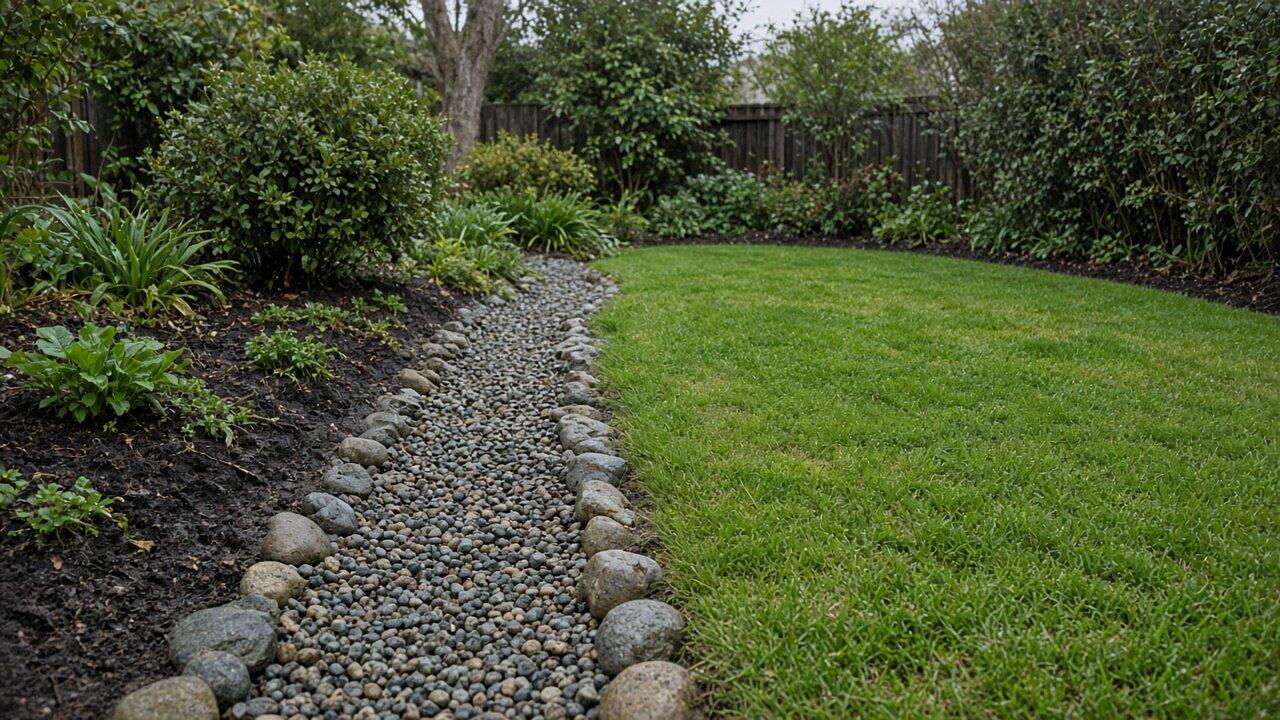
Wet, boggy garden beds and waterlogged lawns are common problems across Victorian properties, particularly on the Mornington Peninsula where clay soils and winter rainfall create persistent drainage challenges. The good news: many drainage problems have straightforward solutions. The key is correctly diagnosing the issue before reaching for expensive drainage contractors.
Here’s your practical guide to fixing garden drainage problems, understanding what you can DIY versus when professionals are needed, and managing the reality of Peninsula clay soils.
Diagnosing Your Drainage Problem
Before fixing drainage, understand what’s causing it.
Surface Water Pooling
Symptoms:
- Water sits on lawn or garden beds after rain
- Takes days to drain or evaporate
- Creates muddy, unusable areas
- Doesn’t improve even in dry weather between rains
Common causes:
- Soil compaction (heavy clay, foot traffic, vehicles)
- Low spots with no drainage outlet
- Hard surface runoff concentrating in garden areas
- Inadequate slope or fall
Solutions:
- Surface drainage (swales, grading, garden beds)
- Improving soil structure (gypsum, organic matter)
- Directing runoff away from problem areas
Subsurface Saturation
Symptoms:
- Soil remains wet below surface even when top looks dry
- Poor plant growth (roots drowning)
- Sour smell when digging
- Water sits in any hole dug deeper than 300mm
Common causes:
- High water table (seasonal or permanent)
- Clay layer preventing downward drainage
- Compacted subsoil
- No outlet for underground water
Solutions:
- Subsurface drainage (ag pipe systems)
- Raised garden beds above saturated zone
- French drains or soakage pits
- Professional drainage system
Retaining Wall or Slope Issues
Symptoms:
- Water seeping from base of retaining walls
- Soft, boggy soil at bottom of slopes
- Erosion on slopes during rain
- Plants at base of slopes constantly wet
Common causes:
- No drainage behind retaining walls
- Natural water flow down slopes
- Concentrated runoff from paved areas upslope
- Clay soil preventing water absorption
Solutions:
- Agricultural pipe behind walls
- Gravel drainage channels
- Terracing to slow water flow
- Professional retaining wall drainage
For retaining wall drainage specifics, see our guide to retaining wall ideas for Australian yards.
Peninsula Clay Soil Reality
Victorian clay soils, especially Peninsula blue-grey clay, create unique drainage challenges:
Clay characteristics:
- Drains extremely slowly
- Compacts easily (foot traffic, vehicles)
- Expands when wet, contracts when dry
- Doesn’t absorb water quickly even when dry
- Creates perched water tables (water sits on clay layer)
The challenge: Sandy-soil drainage solutions often don’t work in clay. What drains naturally in Perth or Sydney’s sandy soils requires active drainage intervention in Melbourne’s clay country.
DIY Drainage Solutions
Many drainage problems are DIY-fixable with basic tools and weekend effort.
Surface Grading and Swales
Swales are shallow, vegetated drainage channels that move surface water away from problem areas.
How to create a swale:
-
Identify water flow path
- Where does water naturally run?
- Where do you want it to go?
- Needs gentle downhill slope (minimum 1:100 fall)
-
Mark the swale path
- Use string line or spray paint
- Gentle curves better than right angles
- Follow natural contours where possible
-
Excavate the swale
- Shallow depression (150-300mm deep, 300-600mm wide)
- Smooth, consistent grade toward outlet
- Remove excavated soil or use to build low berms beside swale
-
Plant or mulch
- Native groundcovers or grasses
- Mulch if temporary solution
- Prevents erosion, looks intentional
Where swales work:
- Directing roof runoff away from house
- Moving water around garden beds to outlet
- Capturing paved area runoff before it floods garden
- Sloped properties with surface water flow
Where swales don’t work:
- Subsurface saturation (water below ground)
- Flat properties with no fall
- Small courtyards with no outlet
- Very heavy clay with no absorption
Cost: DIY labour plus minimal materials ($50-200 for plants/mulch)
Gravel Drainage Channels
French drains are gravel-filled trenches that collect and move water.
Basic French drain construction:
-
Dig trench
- 300mm wide, 400-600mm deep
- Minimum 1:100 slope toward outlet
- Deeper at outlet end
-
Line trench
- Geotextile fabric (weed mat) prevents soil clogging gravel
- Overlap edges up sides of trench
-
Add gravel
- 100mm base layer (20mm blue metal or drainage gravel)
- Optional: 100mm ag pipe on gravel (increases capacity)
- Fill trench with gravel to near surface
- Fold fabric over top
-
Top layer
- 50mm topsoil and turf (if lawn)
- Decorative gravel or pebbles (if garden bed)
- Mulch (if informal garden area)
Where French drains work:
- Wet patches from surface and subsurface water
- Base of slopes collecting water
- Wet areas near downpipes
- Garden bed drainage improvement
Where they don’t work:
- No outlet for water to exit
- Very heavy clay (water doesn’t enter trench)
- High water table (trench fills from below)
Cost: $200-600 for 10 metres (DIY with gravel, fabric, optional pipe)
Garden Bed Drainage Improvement
Sometimes the problem isn’t too much water, but soil that won’t absorb it.
Clay soil improvement:
-
Gypsum application
- Improves clay structure (breaks up compaction)
- Apply 1-2 kg per square metre
- Work into top 100-150mm of soil
- Reapply annually for ongoing improvement
- Won’t fix severe drainage but helps
-
Organic matter addition
- Compost, aged manure, composted mulch
- Improves soil structure and water holding (not drainage)
- Apply 50-100mm layer, dig in or leave as mulch
- Ongoing improvement over years
-
Raised garden beds
- Build up beds 200-400mm above existing soil
- Fill with quality garden mix or improved soil
- Water drains within raised bed before hitting clay
- Effective for vegetable gardens and formal plantings
Where soil improvement works:
- Mild to moderate drainage problems
- Garden beds where you’ll dig/plant anyway
- Long-term solution combined with other methods
- Compacted clay that just needs breaking up
Where it doesn’t work:
- Severe drainage problems
- Subsurface saturation
- High water table
- Perched water on clay layer (no amount of gypsum fixes this)
Cost: $100-300 for gypsum and compost for typical garden bed
Redirecting Downpipes
Often the simplest fix is managing water before it becomes a problem.
Downpipe solutions:
- Extend downpipes away from house (minimum 2-3 metres)
- Connect to stormwater (if available and legal)
- Direct to rainwater tanks (uses water, solves drainage)
- Discharge to dry garden areas (that can absorb water)
- Create gravel soakage pit at downpipe end (in permeable soil)
Peninsula note: Never direct downpipes onto clay garden beds that already struggle with drainage - you’ll make the problem worse.
Cost: $50-200 for downpipe extensions and connections (DIY)
When to Call Drainage Professionals
Some drainage problems require professional expertise and equipment.
Beyond DIY Scope
Hire professionals for:
-
Subsurface drainage systems
- Multiple ag pipe runs with proper grading
- Sump pumps and pump-out systems
- Connection to stormwater or legal discharge points
- Properties with high water table
-
Retaining wall drainage
- Water pressure behind walls risks collapse
- Requires proper ag pipe, gravel backfill, weep holes
- Engineering involvement for high walls
- Too risky for DIY on substantial walls
-
Whole-property drainage design
- Multiple problem areas requiring coordinated solution
- Site assessment and drainage plan
- Council approval required (stormwater modifications)
- Machinery access required (excavators)
-
Serious structural risks
- Water threatening house foundations
- Undermining of retaining walls, driveways, structures
- Rising damp issues
- Property boundary drainage disputes
Professional Drainage Solutions
What professionals provide:
Site assessment:
- Identify all water sources and flows
- Understand soil types and limitations
- Design comprehensive drainage plan
- Consider legal and council requirements
Subsurface systems:
- Agricultural pipe networks with proper falls
- Sump pits with pump systems (where gravity drainage impossible)
- Connection to stormwater or legal discharge
- Geotechnical fabric and gravel wrapping
Heavy machinery:
- Excavators for deep trenching
- Proper compaction equipment
- Material handling and removal
- Site access and reinstatement
Compliance:
- Stormwater approvals from council
- Engineering certification (if required)
- Plumbing compliance (if connecting to stormwater)
- Guaranteed workmanship and results
Drainage Professional Types
Who you need depends on the problem:
Landscapers:
- Surface drainage solutions
- Garden bed drainage
- Swales and grading
- Simple French drains
- Retaining wall drainage (non-engineered walls)
Plumbers (drainage specialists):
- Stormwater connection
- Sump pump systems
- Subsoil drainage requiring permits
- Complex subsurface systems
Civil engineers:
- Drainage design for complex sites
- Engineering certification for retaining walls
- Properties with serious drainage issues
- Council approval required projects
Soil and water consultants:
- Diagnosing complex drainage problems
- Designing drainage strategies
- Large or difficult properties
- Expert opinion for disputes or problem-solving
Professional Drainage Costs
Approximate pricing (Melbourne/Peninsula):
Site assessment and design: $500-2,000
Simple surface drainage (swales, grading): $1,000-3,000
French drain installation: $100-200 per metre (professional)
Agricultural pipe systems: $120-250 per metre (includes pipe, gravel, labour)
Sump pump installation: $2,500-5,000
Comprehensive property drainage: $5,000-15,000+ (depending on scope and complexity)
Peninsula Clay Soil Drainage Strategies
Clay soils require different thinking than sandy soils.
Accept Reality
Clay doesn’t drain:
- You can’t turn clay into sand
- Gypsum helps at margins but doesn’t create drainage
- Water must be moved, not absorbed
Work with clay:
- Direct water to where it can drain or evaporate
- Create outlets for surface water
- Use subsurface drainage where needed
- Don’t fight the impossible
Layer Your Solutions
Effective clay-soil drainage uses multiple approaches:
-
Surface management
- Swales to move water quickly across clay
- Prevent water pooling on flat clay areas
- Direct water to outlet points
-
Subsurface drainage
- Ag pipe in gravel-filled trenches
- Collects water before it saturates soil
- Directs to stormwater, sumps, or dry areas
-
Raised growing areas
- Garden beds built up above clay
- Vegetables and sensitive plants in raised beds
- Lawn areas with imported topsoil over clay
-
Plant selection
- Choose plants tolerant of wet clay
- Native species often clay-adapted
- Avoid plants requiring perfect drainage
Peninsula-Specific Challenges
Coastal exposure:
- High rainfall winter months
- Salt-laden winds (affects plant selection)
- Sandy coastal soils vs inland clay (two different problems)
Mature suburbs:
- Limited site access (narrow side access)
- Established gardens complicate drainage work
- Existing trees affect drainage options
- Neighbour considerations for water flow
Topography:
- Sloped blocks common (creates drainage flow)
- Flat coastal properties challenging (no fall for drainage)
- Clay soil across most Peninsula inland areas
Drainage Mistakes to Avoid
1. No Outlet
Creating drainage channels that dead-end:
- Water has nowhere to go
- Problem moves but doesn’t solve
- Eventually saturates new area
Solution: Always identify outlet before starting drainage work.
2. Insufficient Fall
Drainage needs gravity:
- Flat or uphill drainage doesn’t work
- Minimum 1:100 fall required (1cm drop per metre)
- Clay soils may need steeper fall (1:50 better)
Solution: Use string line and level to check fall before digging.
3. Wrong Solution for Problem
French drains in high water table areas:
- Trench fills with water from below
- Doesn’t help surface drainage
- Wastes money and effort
Solution: Correctly diagnose problem before choosing solution.
4. Undersized Drainage
Small ag pipe for large water volumes:
- Overwhelms quickly during heavy rain
- Still leaves drainage problems
- Needs replacement with larger system
Solution: Size drainage for heavy rain events, not average conditions.
5. Ignoring Council Regulations
Modifying stormwater without approval:
- Connecting to stormwater requires permits
- Discharging to nature strips often illegal
- Directing water to neighbours’ property prohibited
Solution: Check council requirements before modifying drainage.
Temporary vs Permanent Solutions
Not all drainage problems need expensive permanent fixes immediately.
Temporary Measures
While saving for proper solution:
- Extending downpipes with temporary piping
- Surface swales (quick excavation, no formal construction)
- Redirecting water with temporary berms
- Avoiding using wet areas until problem solved
For seasonal issues:
- Winter-only drainage problems may not justify permanent drainage
- Accepting reduced usability in wet months
- Plant selection for wet-season tolerance
Staged Approach
Year 1: DIY surface drainage and redirecting downpipes ($200-500)
Year 2: Professional assessment and priority area drainage ($2,000-4,000)
Year 3: Complete remaining problem areas ($2,000-5,000)
Total: $4,200-9,500 over three years vs $6,000-12,000 all at once
Staged drainage is viable if problems aren’t threatening structures or creating safety hazards.
Plant Selection for Wet Areas
If fixing drainage isn’t immediate, choose plants that tolerate wet conditions:
Wet-tolerant Australian natives:
- Melaleuca varieties (Paperbarks)
- Callistemon (Bottlebrush)
- Acacia varieties (many tolerate wet)
- Lomandra (once established, tolerates wet clay)
Wet-tolerant exotics:
- Liriope (groundcover, tolerates wet)
- Agapanthus (survives wet winters)
- Hydrangeas (prefer moisture)
Avoid plants requiring excellent drainage in wet areas - they’ll struggle or die regardless of care.
Final Thoughts
Garden drainage problems are solvable, but solutions depend on correctly diagnosing the cause:
Surface water: Swales, grading, redirecting downpipes (often DIY)
Subsurface saturation: French drains, ag pipe systems, raised beds (DIY to professional depending on severity)
Clay soil challenges: Multiple approaches, realistic expectations, professional help for severe problems
DIY-appropriate: Surface drainage, simple French drains, downpipe management, soil improvement, swales
Professional-required: Subsurface ag pipe systems, retaining wall drainage, sump pumps, stormwater connections, complex sites
Peninsula clay soils mean drainage rarely fixes itself - water must be actively managed, moved, and directed. Gypsum and compost help at margins, but won’t solve serious drainage problems.
Start with the simplest, cheapest solutions first (extending downpipes, creating swales), then progress to more involved solutions if problems persist. Many drainage problems respond well to DIY weekend projects.
But know your limits. Water threatening foundations, undermining structures, or creating persistent subsurface saturation across your property needs professional assessment and proper drainage systems.
Your garden should be enjoyable, not a boggy mess. With proper drainage - whether DIY or professional - even challenging Peninsula clay soils can support beautiful, healthy, usable outdoor spaces.
Need a Hand?
Professional lawn and garden services when you need them. Get a quote from our trusted Peninsula partners.
Contact Mowing Magic or Peninsula Hard Yards →Disclosure: We share links to related local services that serve our readers in the Peninsula area.