Lawn Edging Ideas That Stay Neat
Practical lawn edging solutions for Australian gardens. Compare steel, aluminium, and plastic edging options, learn about garden bed borders and mowing strips, plus maintenance tips.
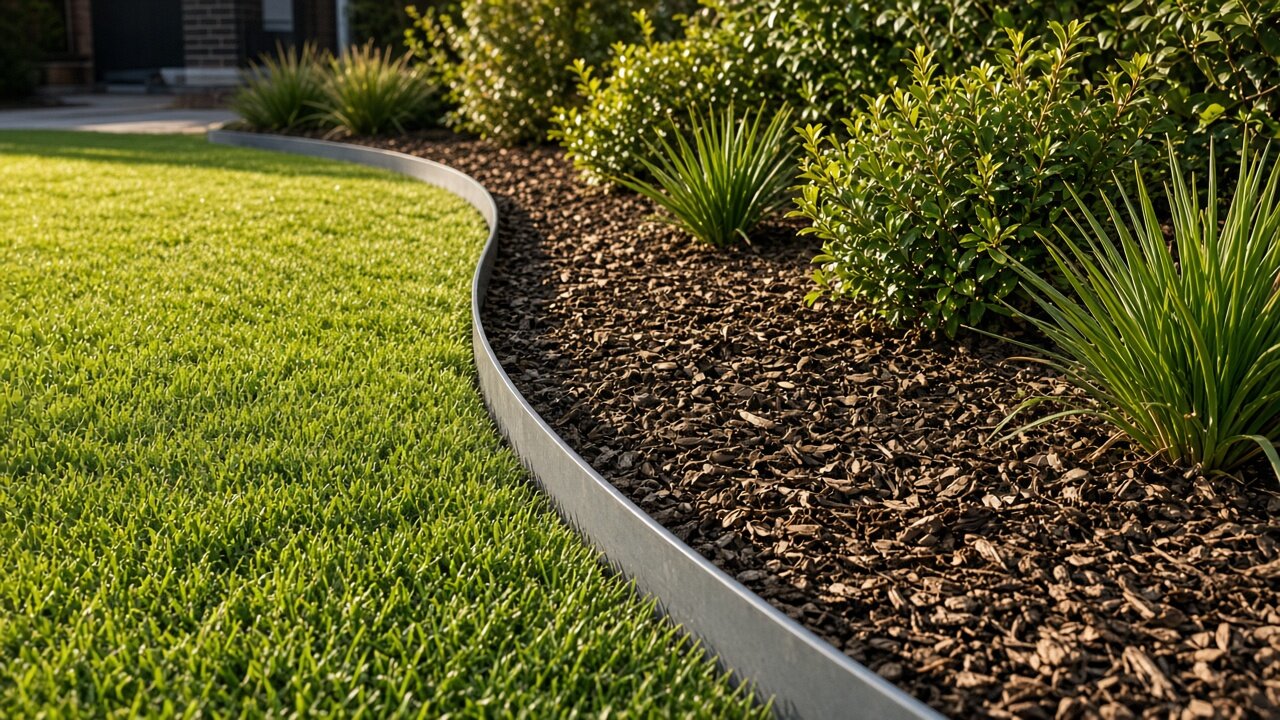
Sharp, defined lawn edges transform a garden from scruffy to manicured. Clean edges between lawn and garden beds create visual order, make mowing easier, prevent grass invasion into beds, and deliver that “well-maintained” appearance that lifts your entire property.
Whether you’re battling couch grass creeping into your garden beds, looking to simplify mowing, or simply wanting neater edges, understanding your edging options helps you choose solutions that actually stay neat with reasonable maintenance.
Why Lawn Edging Matters
Beyond aesthetics, proper edging serves practical purposes.
Functional Benefits
Prevents grass invasion:
- Vigorous grasses (couch, kikuyu) spread aggressively
- Without barriers, lawn takes over garden beds
- Reduces hours spent re-cutting edges or digging out grass
- Particularly critical with running grasses
Simplifies mowing:
- Mower wheels can run on edging (creates guide line)
- Reduces need for line trimming
- Cleaner finish with less effort
- Protects garden bed plants from mower damage
Defines garden beds clearly:
- Creates visual separation between lawn and beds
- Makes garden design more apparent
- Provides structure to informal plantings
- Improves overall garden appearance
Retains mulch:
- Keeps mulch in garden beds where it belongs
- Prevents mulch spreading onto lawn
- Reduces mulch replacement frequency
- Cleaner overall appearance
Easier maintenance:
- Reduces time spent on edge definition
- Clear boundary for garden bed maintenance
- Weed control more straightforward
- Less time fixing edge creep issues
Aesthetic Impact
Well-defined edges make even simple gardens look considered and maintained. The crisp line between lawn and beds creates visual appeal that costs relatively little but delivers significant impact.
Poor or absent edging makes even well-planted gardens look untidy and neglected.
Steel Edging
Professional appearance and long lifespan make steel edging popular.
Characteristics
What it is:
- Galvanised or Colorbond-coated steel strips
- Typically 100-150mm height
- Thin profile (1-2mm thickness)
- Installed vertically in ground
- Top edge flush or slightly above lawn level
Common specifications:
- Height: 100mm, 125mm, 150mm (100mm most common for lawns)
- Length: 2.4m sections (joined with connectors)
- Thickness: 1.0mm, 1.5mm (thicker = more rigid, higher cost)
- Finish: Galvanised silver, or Colorbond colours
Advantages
Very durable:
- 20-30+ year lifespan
- Galvanised coating prevents rust
- Doesn’t rot or decay like timber
- Handles Australian weather extremes
Neat, unobtrusive appearance:
- Thin profile barely visible from lawn side
- Clean, straight lines
- Professional finish
- Suits modern and traditional gardens
Effective grass barrier:
- Completely stops grass runners
- No gaps for grass to penetrate
- Particularly good against couch and kikuyu
- Minimal maintenance to keep grass contained
Flexible installation:
- Can create curves (smooth or tight)
- Handles slopes and contours
- Cut to length as needed
- Easy to adjust during installation
Mowing-friendly:
- Mower wheels can roll along edge
- Minimal trimming needed
- Won’t damage mower blades
- Creates guide for straight mowing lines
Disadvantages
Upfront cost:
- More expensive than plastic edging
- Materials: $12-25 per metre
- Installation adds to cost if not DIY
Sharp edges (if exposed):
- Can be sharp above ground
- Requires care around children/pets if installed high
- Usually not an issue if properly installed flush with lawn
Installation effort:
- Requires trenching with spade
- Physical work for long runs
- Need connectors and sometimes stakes
- Gets easier with practice
Installation Tips
Correct depth:
- Top should be at or just above lawn level (5-10mm)
- At least 80-90mm buried
- Too high looks obvious and creates trip hazard
- Too low allows grass to grow over
Trenching method:
- Cut narrow trench with flat spade
- Place edging in trench
- Backfill and firm on both sides
- Compact well to prevent movement
Curves:
- Steel edging flexes naturally for gentle curves
- Sharp curves need more care (incremental bending)
- Can pre-bend sections before installing
- Connectors join sections
Joining sections:
- Overlap connectors or specific joining brackets
- Ensure no gaps (grass will find them)
- Firm joints well
- Continue smooth line through joins
Cost
- Materials (DIY): $12-25 per metre (galvanised to premium Colorbond)
- Professional installation: $25-45 per metre installed
- Example (30m garden bed perimeter): $360-750 materials, or $750-1,350 installed
Aluminium Edging
Premium alternative to steel with some advantages.
Advantages Over Steel
Won’t rust:
- No corrosion even in coastal areas
- Particularly valuable for Peninsula properties near ocean
- Long lifespan without deterioration
- Can be left unpainted
Lighter weight:
- Easier to handle during installation
- Less physical strain for DIY installers
- Easier to adjust or reposition
Very low maintenance:
- Essentially maintenance-free
- No painting or coating needed
- Clean appearance persists indefinitely
Disadvantages
Higher cost:
- 30-50% more expensive than galvanised steel
- Premium material for premium price
- Materials: $18-35+ per metre
Can be softer:
- Less rigid than steel (depending on thickness)
- May require more frequent stakes
- Thicker commercial grades overcome this
Limited colours:
- Natural aluminium finish (silver-grey) standard
- Powder-coating available but expensive
- Less colour choice than Colorbond steel
When Aluminium Makes Sense
- Coastal properties (salt exposure)
- High-end landscaping projects
- Curved designs (easier to work with)
- Homeowners wanting premium long-term solution
- Where rust concerns matter
Plastic Lawn Edging
Budget-friendly and DIY-friendly option.
Types of Plastic Edging
Flexible roll edging:
- 100-150mm height rolls
- Very flexible (tight curves easy)
- Held with stakes
- Most affordable option
- Lightweight
Rigid plastic strips:
- Similar to metal edging but plastic
- Usually recycled plastic material
- 2m-3m lengths
- More rigid than roll types
- Mid-price plastic option
Interlocking panel edging:
- Individual decorative panels
- Link together
- Often with brick or stone appearance
- Variable quality and appearance
- Some look cheap, others acceptable
Advantages
Low cost:
- Most affordable edging option
- Roll edging: $3-8 per metre
- Rigid plastic: $6-12 per metre
- Good for large projects on budget
Easy installation:
- No special tools required
- Lightweight and manageable
- Quick to install
- Mistakes easy to correct
Very flexible:
- Creates tight curves easily
- Handles irregular garden bed shapes
- Adapts to contours well
Available everywhere:
- Every hardware store stocks it
- Easy to get more if needed
- Consistent product availability
Disadvantages
Shorter lifespan:
- 5-15 years typical (UV degrades plastic)
- Becomes brittle over time
- Australian sun particularly harsh on plastic
- Will eventually need replacement
Less effective grass barrier:
- Flexible types can be pushed out by vigorous grass
- Gaps can develop at joints
- Requires more vigilant maintenance
- Works better against less aggressive grass types
Can look cheap:
- More visible than metal edging
- Sometimes obvious from lawn side
- Particularly true for thin roll types
- Higher-quality rigid types look better
Maintenance:
- Stakes can lift over time
- Needs checking and re-firming
- Joints can separate
- May need replacing sections before full replacement
When Plastic Edging Works
- Budget-conscious projects
- Temporary or short-term solutions
- Rental properties
- Very curvy garden beds
- Where grass is less vigorous (rye, fescue)
- DIY projects for beginner gardeners
Installation Tips
Stake frequency matters:
- More stakes = more stability
- Every 600-800mm minimum for flexible edging
- Firmer ground needs fewer stakes
- Don’t skimp on stakes
Trench depth:
- Bury at least half the edging height
- Prevents grass growing over top
- Improves stability
Join sections carefully:
- Overlap joins if possible
- Use connectors where provided
- Ensure no gaps
Garden Bed Border Options
Beyond manufactured edging, natural and structural borders work well.
Brick or Paver Border
Traditional approach:
- Bricks or pavers laid along garden bed edge
- Can be flush with lawn or raised
- Creates wider visual border
- Very durable
Installation styles:
Flat (soldier) course:
- Bricks on edge, buried halfway
- Creates narrow border
- Professional appearance
- Good for straight edges
Laid flat as mowing strip:
- Pavers laid flat at lawn level
- Creates wider border (300-450mm)
- Mower wheels run on pavers
- Eliminates trimming
- Excellent functional solution
Advantages:
- Very long-lasting (30+ years)
- Traditional, timeless appearance
- Effective grass barrier
- Substantial border definition
Disadvantages:
- Higher cost than simple edging
- More installation work
- Takes up more space
- Can be harder to create curves
Timber Sleeper Edging
Modern approach:
- Treated pine or hardwood sleepers on edge
- Creates raised bed (100-200mm typical)
- Defines strong border
- Retaining wall functionality
Best for:
- Raised garden beds
- Sloped sites
- Creating level planting areas
- Contemporary garden designs
Considerations:
- Treated pine: 10-15 years, chemical treatment concerns
- Hardwood: 20-30+ years, higher cost
- Installation requires stakes or posts
- More substantial than simple edging
For more on sleeper retaining walls, see our guide on concrete sleeper retaining walls.
Natural Stone Border
Premium aesthetic:
- Stacked natural stone along edge
- Informal cottage-garden look
- Creates raised border (variable height)
- Expensive but beautiful
Best for:
- Heritage properties
- Cottage gardens
- Properties with existing stone elements
- High-end landscaping
Considerations:
- Most expensive border option ($50-150+ per metre installed)
- Professional installation recommended
- Less effective as grass barrier (gaps between stones)
- Requires more maintenance (stones settle, grass invades)
Mowing Strips: The Ultimate Edging Solution
A mowing strip eliminates trimming entirely.
What Is a Mowing Strip?
A level, hard surface (pavers, concrete, or compacted gravel) running between lawn and garden beds, wide enough for mower wheels.
Typical dimensions:
- 300-450mm width
- Flush with lawn level
- Runs full length of garden bed
- Creates physical separation
Why They Work So Well
Complete elimination of trimming:
- Mower wheels run on strip
- Blades cut right to bed edge
- Zero line trimmer required
- Saves significant time
Very effective grass barrier:
- Wide enough to completely stop grass runners
- No edge creep into beds
- Minimal maintenance
Durable and permanent:
- Concrete or pavers last 30+ years
- No degradation
- No regular re-cutting edges
Professional appearance:
- Clean, defined edges always
- Suits formal and informal gardens
- Adds structure and visual appeal
Materials for Mowing Strips
Concrete:
- Most affordable option
- 300mm wide x 75mm deep typical
- Can be formed straight or curved
- Plain or coloured/stamped finish
- Very long-lasting
Pavers:
- More expensive than concrete
- Attractive appearance
- Easy to create curves or patterns
- Can be removed or adjusted if needed
- Complements other paved areas
Exposed aggregate concrete:
- Attractive textured finish
- Non-slip surface
- Hides dirt better than smooth concrete
- Mid-price option
Compacted road base or gravel:
- Budget option
- Less formal appearance
- Requires edging both sides
- Needs occasional topping-up
Installation Cost
- Concrete mowing strip: $35-60 per metre installed (400mm wide)
- Paver mowing strip: $50-90 per metre installed (400mm wide)
- DIY concrete: $15-25 per metre materials
Example (20m bed perimeter): $700-1,200 professionally installed concrete strip
Higher upfront cost than simple edging, but saves hours of trimming annually and lasts 30+ years.
Maintenance Tips for Edged Lawns
Even with good edging, some maintenance optimises results.
Regular Inspection
Check quarterly:
- Any edging movement or lifting
- Grass attempting to grow over or under
- Stakes loose or missing
- Joints separating
Early intervention prevents:
- Major grass invasion
- Edging failure requiring reinstallation
- Larger repair costs
Edge Trimming (Even With Edging)
Grass grows vertically and can eventually obscure edging:
Once or twice per year:
- Use half-moon edger or spade to recut edge
- Cut vertically against inside of edging
- Remove grass overgrowth
- Maintains clean appearance
With effective edging, this takes minutes not hours.
Grass Type Considerations
Aggressive runners (couch, kikuyu):
- Need most robust edging (steel/aluminium preferred)
- Regular monitoring essential
- Will exploit any gaps or weaknesses
- Consider mowing strips for best results
Clumping grasses (rye, fescue, buffalo - to lesser extent):
- Less aggressive at invading beds
- Simpler edging often adequate
- Plastic edging can work
- Still benefit from defined edges
For properties dealing with vigorous Peninsula lawn grasses and wanting professional garden maintenance that includes proper edge management, services like Mowing Magic can handle regular lawn care whilst respecting and maintaining your garden bed boundaries.
Disclosure: We share links to local lawn care services that our Peninsula readers may find useful.
Mulch Management
Proper mulch depth:
- 50-75mm away from lawn edge
- Prevents mulch washing onto lawn
- Keeps edging visible
- Reduces grass invasion into mulch
Annual mulch top-up:
- Refreshes appearance
- Maintains weed suppression
- Improves bed definition
- Complements neat edging
Choosing the Right Edging
Decision Factors
Budget:
- Tight budget: Plastic roll edging ($3-8/m)
- Moderate budget: Galvanised steel ($12-18/m)
- Premium budget: Aluminium or mowing strip ($18-60/m)
Grass type:
- Aggressive (couch, kikuyu): Steel, aluminium, or mowing strip
- Moderate (buffalo): Steel or rigid plastic
- Clumping (rye, fescue): Any option works
Aesthetic preference:
- Minimal visibility: Thin steel or aluminium
- Traditional: Brick soldier course
- Contemporary: Mowing strip or sleepers
- Cottage: Natural stone
Maintenance tolerance:
- Very low maintenance: Mowing strip (zero trimming)
- Low maintenance: Steel or aluminium edging
- Moderate maintenance: Plastic edging (needs checking)
DIY capability:
- Beginner-friendly: Plastic roll edging
- Intermediate: Steel edging
- Advanced: Mowing strips or brick borders
Longevity priority:
- 30+ years: Mowing strips, steel, aluminium
- 15-25 years: Quality plastic, timber sleepers
- 5-15 years: Budget plastic
Common Edging Mistakes
Installing too shallow: Grass grows over top of edging. Bury at least 50-60% of edging height.
Not enough stakes (plastic edging): Flexible edging lifts without adequate staking. Use more stakes than you think necessary.
Leaving gaps at joints: Grass finds and exploits every gap. Ensure all joins tight and secure.
Wrong edging for grass type: Plastic edging against aggressive couch grass fails quickly. Match edging strength to grass vigour.
Ignoring curves: Trying to force rigid material into tight curves creates kinks and gaps. Use flexible materials for curves or create gentle curves with rigid materials.
No maintenance plan: All edging needs occasional checking and adjustment. Include in regular garden maintenance.
Cost Comparison Summary
Per metre installed (professional):
- Plastic roll edging: $8-15
- Rigid plastic edging: $12-22
- Galvanised steel edging: $25-35
- Colorbond steel edging: $30-45
- Aluminium edging: $35-55
- Brick soldier course: $35-55
- Concrete mowing strip: $35-60
- Paver mowing strip: $50-90
Per metre materials only (DIY):
- Plastic roll edging: $3-8
- Galvanised steel: $12-18
- Colorbond steel: $18-25
- Aluminium: $18-35
- Brick/pavers: $15-30 (plus sand/base)
- Concrete mowing strip: $15-25
DIY vs Professional Installation
DIY suitable for:
- Plastic edging (all skill levels)
- Steel edging (moderate DIY skills)
- Straight or gentle curves
- Small to medium projects (under 40m)
- No major obstacles (trees, structures)
Professional recommended for:
- Mowing strips (concrete work requires skill)
- Brick/paver borders (level and stability critical)
- Complex curved layouts
- Large projects (60m+)
- Sites with difficult access or contours
- Where perfect finish essential
Professional edging installation includes proper trenching, correct depth, secure installation, neat joins, and cleanup.
Final Thoughts
Clean lawn edges deliver disproportionate visual impact for relatively modest investment. The difference between defined edges and fuzzy, creeping boundaries transforms a garden from untidy to maintained.
Choose edging based on:
- Your budget and timeline
- Grass type and vigour
- Aesthetic preference
- Maintenance tolerance
- DIY capability
Steel or aluminium edging suits most Australian properties - durable, effective, reasonably priced, and professional-looking. Handles our vigorous grasses and harsh conditions well.
Mowing strips eliminate trimming entirely and work superbly where budget permits and formal appearance desired. Higher upfront cost but lowest ongoing maintenance.
Plastic edging serves budget-conscious projects and less aggressive grass types, but requires more monitoring and has shorter lifespan.
Whatever option you choose, installing proper edging saves countless hours of edge maintenance over the years ahead. The time spent installing edging once is repaid many times over in reduced ongoing work.
Well-defined lawn edges aren’t just about appearance - they’re about creating a garden that’s easier to maintain and more enjoyable to use. Clean edges provide structure that makes everything else in your garden look more intentional and better cared for.
The sharpest gardens start with sharp edges. Invest in proper edging solutions, and enjoy neater lawns with less effort, year after year.
Need a Hand?
Professional lawn mowing, edging, and regular lawn care services. Get a quote from our trusted Peninsula partners.
Contact Mowing Magic →Disclosure: We share links to related local services that serve our readers in the Peninsula area.