Sandstone Paving Ideas
Natural sandstone paving delivers warm, earthy Australian character. Compare sandstone tiles vs crazy paving, understand sealing requirements, costs, and when sandstone suits your Melbourne landscape.
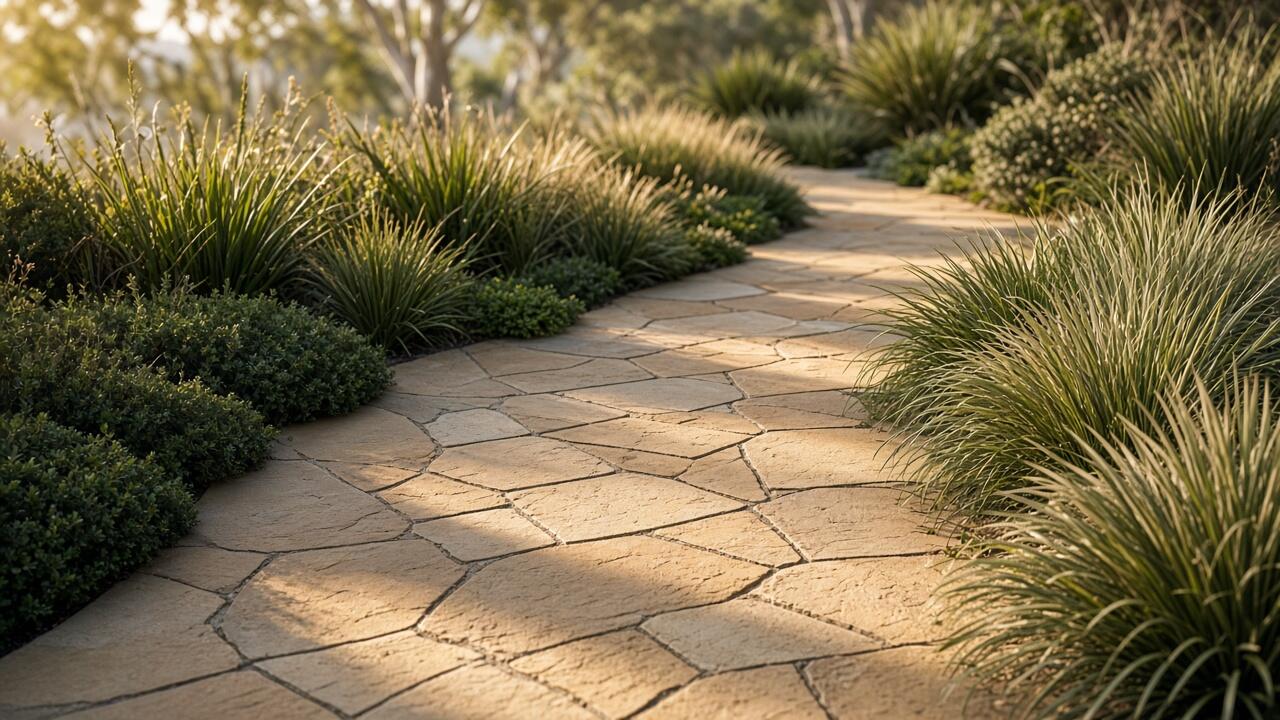
Sandstone paving brings warmth, natural texture, and distinctly Australian character to paths, patios, and outdoor living spaces. Its honey, ochre, and cream tones suit both heritage and contemporary properties whilst delivering the permanence and durability of natural stone at more accessible cost than bluestone or travertine alternatives.
Yet sandstone’s porous nature creates sealing considerations, its colour variation demands careful supplier selection, and installation costs reflect the skill required for proper laying. Understanding when sandstone makes sense, which styles suit different applications, and realistic maintenance expectations helps property owners decide whether sandstone’s natural beauty justifies its investment for their specific landscape.
Why Sandstone Suits Australian Landscapes
Natural stone that looks at home in our climate and architectural context.
Traditional Australian Material
Heritage connection:
- Quarried across eastern Australia for over 150 years
- Sydney sandstone iconic (though Victorian sandstone available locally)
- Traditional paving for paths, steps, courtyards
- Ages gracefully with Australian weather
- Proven longevity (heritage buildings demonstrate century-plus lifespan)
Climate appropriateness:
- Warm earth tones suit Australian sunlight
- Non-slip surface safe in wet Melbourne weather
- Thermal properties comfortable underfoot (cooler than dark pavers, warmer than concrete)
- Porous structure handles temperature cycling well
- Peninsula coastal properties: warm tones soften salt-air harsh light
Aesthetic Appeal
Natural variation:
- No two pieces identical (organic character)
- Colour ranges within slabs create visual interest
- Natural texture and grain patterns
- Imperfections and fossils add character
- Contemporary or heritage homes: sandstone suits both
Warm colour palette:
- Buff/cream: lightest tones, brightest appearance
- Honey/golden: classic Australian sandstone colour
- Ochre/amber: richer warm tones
- Browns: deeper tones for contrast
- Mixed palettes create depth
Texture options:
- Natural split: rustic texture, non-slip, traditional
- Honed smooth: contemporary finish, easier cleaning
- Tumbled edges: aged appearance, softer lines
- Sawn edges: neat modern look, tighter joints
For broader context on paving material choices and when each suits specific applications, see our guide on paving ideas for Australian properties.
Sandstone Paving Styles
Different formats deliver distinct aesthetics and installation characteristics.
Sawn Sandstone Tiles
What they are:
- Machine-cut rectangular tiles
- Consistent dimensions (typically 400x400mm, 500x500mm, 600x400mm)
- Smooth sawn or honed surface
- Calibrated thickness (easier installation)
- Contemporary neat appearance
Advantages:
- Easier installation (uniform sizing)
- Tighter joints possible (modern clean look)
- Predictable material quantities
- Lower waste during installation
- More affordable than irregular crazy paving
- DIY-friendly (compared to crazy paving)
Typical dimensions:
- 400x400mm: common small format
- 500x500mm: popular medium tile
- 600x400mm: rectangular plank format
- 300x600mm: contemporary plank proportion
- Custom sizes available (premium cost)
Cost:
- Materials: $80-140 per square metre
- Installed: $180-280 per square metre
- Mid-range natural stone paving option
Best applications:
- Contemporary patios and entertaining areas
- Large areas requiring consistent appearance
- Formal garden paths
- Pool surrounds (honed finish, sealed)
- Areas where neat modern aesthetic desired
Crazy Paving (Random Sandstone)
What it is:
- Irregular natural shapes
- Split faces (rustic texture)
- Variable sizes fitted together like puzzle
- Traditional Australian paving style
- Organic informal character
Advantages:
- Classic Australian aesthetic
- Suits cottage, heritage, informal gardens
- Natural random appearance
- Works on curved paths (more flexible than rectangular tiles)
- Character and texture maximised
Disadvantages:
- Labour-intensive installation (skilled mason required)
- Higher installation cost (more complex fitting)
- Uneven surface possible (trip hazard consideration)
- Harder to clean (irregular joints collect debris)
- Material waste higher (cutting to fit)
Cost:
- Materials: $60-100 per square metre (slightly cheaper than sawn)
- Installed: $200-350 per square metre (higher labour reflects skill required)
- Premium cost reflects installation complexity
Best applications:
- Heritage properties
- Cottage gardens
- Rustic paths and stepping stone arrangements
- Feature areas (not large expanses)
- Gardens where informal character suits landscape style
For detailed coverage of crazy paving characteristics, installation, and when it works best, see our dedicated guide on crazy paving ideas for Australian gardens.
Sandstone Pavers vs Tiles
“Paver” terminology: Sometimes used for thicker formats (30-40mm) suitable for driveways and trafficable areas, whilst “tiles” refers to thinner formats (15-25mm) for pedestrian paths and patios only.
Thickness matters:
- 15-20mm: pedestrian paths only
- 25-30mm: patios, entertaining areas
- 30-40mm: driveways (with proper base)
- 40mm+: heavy traffic, commercial
Application matching: Ensure thickness appropriate for intended use. Under-spec’d sandstone cracks under loads exceeding design capacity.
Colour Selection and Variation
Natural stone means natural variation—understanding what to expect prevents disappointment.
Colour Ranges
Cream/buff sandstone:
- Lightest option (brightens shaded areas)
- Shows dirt less than dark pavers
- Can feel stark (soften with plants)
- Contemporary clean aesthetic
- Consistent pale tones
Golden/honey sandstone:
- Classic Australian colour
- Warm inviting tones
- Suits most architectural styles
- Most popular choice
- Moderate variation within pieces
Ochre/amber sandstone:
- Richer warmer tones
- Depth and character
- Heritage properties excellent match
- More variation (check samples)
- Earthy natural palette
Mixed/multicolour sandstone:
- Deliberately varied palette
- Creams, golds, ochres, browns within same installation
- Creates visual interest
- Informal relaxed feel
- Camouflages staining (practical advantage)
Managing Variation
Natural material reality:
- Significant colour variation within same batch normal
- Some pieces lighter, some darker
- Accept variation as feature (not defect)
- “Character” means “every piece different”
- Samples show range but individual pieces vary
Strategies for consistency:
- Blend multiple pallets during installation (distributes variation)
- Select pieces during laying (place darker/lighter pieces strategically)
- Avoid installing from single pallet sequentially (creates patches)
- View supplier yard if possible (see actual material range)
- Expect 20-40% variation (not uniform manufactured product)
Peninsula considerations: Warm golden tones complement coastal architecture and soften harsh salt-air light. Cream sandstone brightens shaded courtyards. Multicolour sandstone camouflages inevitable patio weathering and organic staining in damp coastal gardens.
Sealing Sandstone Paving
Porous sandstone requires sealing for most applications—understanding what sealing achieves and maintenance requirements.
Why Seal Sandstone
Stain protection:
- Unsealed sandstone absorbs oils, tannins, wine, food
- Stains penetrate surface (difficult or impossible to remove)
- Sealing provides barrier (easier cleaning)
- Particularly important entertaining areas
Moisture management:
- Reduces water absorption
- Prevents efflorescence (salt deposits)
- Minimises freeze-thaw damage (less relevant Melbourne but still beneficial)
- Controls algae and moss growth (shaded damp areas)
Appearance enhancement:
- Enriches colour (deepens tones)
- Can add satin or gloss finish
- Natural look or enhanced appearance (depends on sealer choice)
- Protects from UV fading
When sealing essential:
- Patios and entertaining areas (food, drink spillage inevitable)
- Pool surrounds (chemicals, oils, traffic)
- High-traffic paths (wear protection)
- Kitchens and BBQ areas (oil, grease exposure)
When sealing optional:
- Low-traffic garden paths
- Dry-stacked stepping stones
- Areas where natural weathering acceptable
- Budget-conscious projects accepting patina and staining
Sealer Types
Penetrating sealers:
- Soak into stone (invisible protection)
- Natural appearance maintained
- Breathable (allows moisture vapour escape)
- Re-application every 2-4 years typical
- Best for natural look
Topical sealers:
- Surface coating (visible film)
- Enhanced colour (wet look)
- More stain protection than penetrating
- Can be slippery when wet (critical safety consideration)
- Re-application every 3-5 years
- Wear shows traffic patterns (requires stripping and re-coating)
Best practice Melbourne climate: Penetrating breathable sealer allows damp Peninsula conditions to evaporate naturally whilst providing stain protection. Topical sealers trap moisture in porous stone, risking freeze damage (rare but possible Melbourne frost).
Sealing Costs and Maintenance
Initial sealing:
- DIY: $5-15 per square metre (sealer cost only)
- Professional: $15-35 per square metre (includes labour, proper surface prep)
- New installations: seal after grout cured (typically 2-4 weeks post-installation)
Maintenance sealing:
- Every 2-4 years depending on traffic and exposure
- High-traffic areas require more frequent re-sealing
- Pressure clean before re-sealing (remove dirt and algae)
- Cost similar to initial sealing
Ongoing cleaning:
- Regular sweeping/hosing removes debris
- Mild detergent occasional cleaning
- Pressure wash annually (low pressure—avoid damaging grout)
- Address spills immediately (even sealed stone benefits from quick cleaning)
Installation Considerations
Proper base preparation and laying technique ensures long-term performance.
Base Requirements
Pedestrian paths and patios:
- 100-150mm compacted crushed rock base
- 30-50mm bedding sand or mortar
- Level and stable substrate essential
- Adequate drainage (grade 1-2% away from structures)
Driveways (40mm+ pavers only):
- 200-300mm compacted road base
- Concrete slab recommended (heavy loads)
- Engineering advised significant traffic
- Thicker pavers essential
Melbourne clay soils:
- Reactive clay requires extra attention
- Deeper excavation to stable substrate
- Better drainage critical (prevent movement)
- Consider professional assessment challenging sites
Laying Methods
Dry-laid on sand:
- Traditional method
- Sand bedding allows minor settling
- Suitable pedestrian paths
- Easier to lift and relay
- Lower cost
- Can shift over time (requires maintenance)
Mortar-set on concrete:
- Permanent installation
- Concrete slab base
- Mortar bed and grouted joints
- Suitable high-traffic and entertaining areas
- More expensive but stable
- Professional recommended
Joint grouting:
- Mortared joints: formal neat appearance, prevents weed growth
- Sand-swept joints: traditional, allows drainage, requires weed control
- Polymeric sand: modern option, resists weeds, flexible
DIY vs Professional
DIY-achievable:
- Small paths (under 15-20 square metres)
- Sawn rectangular tiles (easier than crazy paving)
- Dry-laid on sand bed
- Straight layouts (curves and patterns harder)
- Experienced DIY builders
Professional recommended:
- Large patios and entertaining areas
- Crazy paving (skilled fitting essential)
- Mortar-set installations
- Drainage challenges
- Uneven sites requiring levelling
Professional costs:
- Sawn tiles installed: $180-280 per square metre
- Crazy paving installed: $200-350 per square metre
- Includes excavation, base prep, laying, grouting
- Higher-end reflects site complexity and finish quality
For guidance on material choices and when to hire professionals for paving projects, see our comprehensive guide on paving options for Australian paths, patios and driveways.
Sandstone vs Other Paving Materials
Comparative context helps determine when sandstone represents best choice.
Sandstone vs Bluestone
Sandstone advantages:
- Warmer tones (creams, golds, ochres vs bluestone’s grey)
- Lower cost ($80-140/m² vs $120-180/m²)
- Softer stone (easier cutting, DIY-friendlier)
- Traditional Australian aesthetic
Bluestone advantages:
- Harder, more durable
- Melbourne heritage material (local quarrying)
- Darker sophisticated appearance
- Better for high-traffic (greater hardness)
Choose sandstone when: Warm tones suit property, budget moderate, contemporary or heritage aesthetics, DIY possible.
Choose bluestone when: Melbourne heritage property, premium budget, high-traffic areas, sophisticated dark stone preferred.
For detailed bluestone characteristics and Melbourne applications, see our guide on bluestone paving for Melbourne properties.
Sandstone vs Concrete Pavers
Sandstone advantages:
- Natural material (authentic character)
- Unique every installation (no uniformity)
- Premium appearance
- Proven century-plus longevity
- Increases property value
Concrete paver advantages:
- Much cheaper ($30-60/m² vs $80-140/m²)
- Uniform consistency
- Wider colour range (manufactured)
- Easier sourcing and availability
- DIY-friendly
Cost reality: Sandstone costs 2-3x concrete pavers. Justified by premium natural appearance, uniqueness, and property value contribution. Concrete adequate budget-conscious applications.
Sandstone vs Porcelain Tiles
Sandstone advantages:
- Natural material
- Warmer appearance
- Traditional aesthetic
- Proven outdoor longevity
- Non-slip natural texture
Porcelain advantages:
- Lower maintenance (less porous, easier cleaning)
- Stain-resistant without sealing
- Consistent appearance
- Very hard-wearing
- Contemporary designs
When each wins: Sandstone suits natural aesthetic, heritage properties, buyers valuing authentic materials. Porcelain suits ultra-low-maintenance preference, contemporary homes, formal clean appearance.
Cost Breakdown
Realistic budget planning for sandstone paving projects.
Material Costs
Sawn sandstone tiles:
- Budget range: $80-100 per square metre
- Mid-range: $100-130 per square metre
- Premium: $130-160+ per square metre
- Factors: colour consistency, thickness, source quarry, finish quality
Crazy paving sandstone:
- Budget: $60-80 per square metre
- Mid-range: $80-100 per square metre
- Premium selected pieces: $100-130 per square metre
- Lower than sawn tiles but higher installation labour balances cost
Installation Costs
DIY cost (materials only, typical 20m² patio):
- Sandstone tiles: $1,600-2,600
- Base materials: $400-600
- Cement/mortar/grout: $200-400
- Sealer: $200-300
- Total DIY: $2,400-3,900
Professional installation (typical 20m² patio):
- Materials (as above): $1,600-2,600
- Labour (excavation, base, laying, grouting): $2,000-3,500
- Sealing: $400-700
- Total professional: $4,000-6,800
Comparable costs:
- Concrete pavers installed: $2,500-4,000 (20m²)
- Bluestone installed: $5,000-7,500 (20m²)
- Porcelain tiles installed: $4,500-6,500 (20m²)
Sandstone sits mid-range: premium over concrete, cheaper than bluestone, comparable to quality porcelain.
Maintenance and Longevity
Long-term care requirements and lifespan expectations.
Routine Maintenance
Regular tasks:
- Sweep or hose (weekly, remove debris)
- Mild detergent wash (monthly or as needed)
- Re-seal every 2-4 years (maintain stain protection)
- Pressure wash annually (low pressure, removes algae)
- Address stains immediately (even sealed stone easier to clean fresh)
Specific issues:
- Algae growth (shaded damp areas): pressure wash, consider algae treatment
- Efflorescence (white salt deposits): usually weathers off, vinegar solution helps
- Staining (oil, wine, leaves): penetrating sealer prevents, prompt cleaning essential
- Weed growth (sand joints): regular removal or polymeric sand reduces
Peninsula challenges:
- Coastal humidity promotes algae (shaded paths)
- Salt air deposits clean with fresh water rinse
- Organic debris (leaves, eucalypt litter): regular clearing prevents staining
- Damp winters: ensure drainage prevents pooling
Longevity Expectations
Lifespan:
- 50-100+ years typical with proper installation and maintenance
- Heritage sandstone pavements demonstrate century-plus durability
- Regular sealing extends appearance quality
- Even neglected sandstone remains functional decades (weathers naturally)
Aging characteristics:
- Weathered patina develops (grey tones, softer appearance)
- Some surface erosion natural (softer stone than granite or basalt)
- Accepts age gracefully (distinguished character)
- Regrouting joints may be necessary 15-20 years
Comparative longevity:
- Concrete pavers: 25-40 years (fade, can crack)
- Bluestone: 100+ years (harder than sandstone)
- Porcelain: 40-60 years (proven outdoor track record still building)
When Sandstone Makes Sense
Strategic material selection matching applications to characteristics.
Ideal Applications
Heritage properties:
- Traditional Australian material
- Warm earth tones complement period architecture
- Proven longevity matches building timeframe
- Adds authentic character and value
Entertaining patios:
- Natural beauty creates premium outdoor rooms
- Sealed surface handles spills
- Comfortable underfoot (thermal properties)
- Non-slip safe barefoot traffic
Feature paths and entries:
- Creates welcoming first impression
- Premium material signals quality
- Natural character suits garden settings
- Lasts decades minimal maintenance
Pool surrounds:
- Non-slip natural texture
- Warm tones complement water
- Cooler than dark pavers hot days
- Sealed properly handles chemicals and traffic
Contemporary gardens:
- Sawn tiles suit modern aesthetics
- Clean lines with natural material warmth
- Bridges contemporary architecture with landscape softness
Consider Alternatives When:
Tight budgets: Concrete pavers deliver 40-60% cost savings. Sandstone premium over budget justifiable only when aesthetic/property value benefits outweigh cost difference.
Heavy vehicle traffic: Driveways require thicker pavers (40mm+) and proper base—concrete pavers or asphalt often more cost-effective for pure vehicle areas.
Ultra-low-maintenance priority: Porcelain or quality concrete pavers require less sealing maintenance than porous sandstone. Justifiable trade-off busy homeowners.
Stark contemporary aesthetic: Large-format grey porcelain or polished concrete suits ultra-modern properties better than sandstone’s warm natural character.
Final Thoughts
Sandstone paving delivers natural warmth, proven durability, and distinctly Australian character that suits heritage and contemporary properties equally. Its honey, cream, and ochre tones create inviting outdoor spaces whilst 50-100+ year longevity justifies premium over concrete alternatives for homeowners prioritising quality, property value, and authentic materials.
Choose sandstone when:
- Natural material aesthetic valued over manufactured uniformity
- Warm earth tones suit property architecture and landscape
- Heritage property character requires traditional materials
- Budget accommodates mid-premium paving investment
- Long-term property ownership justifies quality materials
- Entertaining and living spaces deserve premium finishes
Key decisions:
- Sawn tiles vs crazy paving: Tiles for contemporary neat look, easier installation. Crazy paving for heritage, cottage gardens, traditional character.
- Colour selection: Golden/honey most versatile. Cream brightens. Ochre adds warmth. Multicolour camouflages staining.
- Sealing: Essential entertaining areas and high-traffic. Optional low-traffic paths. Penetrating sealer best Melbourne climate.
- Installation: DIY achievable small sawn tile projects. Professional recommended crazy paving, large areas, mortar-set installations.
Cost reality (typical 20m² patio):
- DIY sawn tiles: $2,400-3,900
- Professional sawn tiles: $4,000-6,800
- Crazy paving: $200-500/m² installed (higher than sawn due to labour complexity)
- Compare concrete pavers: $2,500-4,000 installed (40-60% cheaper)
- Compare bluestone: $5,000-7,500 installed (20-40% more expensive)
Maintenance commitment:
- Seal initially (within 2-4 weeks installation)
- Re-seal every 2-4 years (maintain protection)
- Regular cleaning (sweeping, occasional washing)
- Address spills promptly (easier than treating old stains)
- Minimal structural maintenance (properly installed sandstone extremely durable)
Melbourne and Peninsula considerations:
- Warm tones complement coastal light and salt-air clarity
- Non-slip texture safe wet Melbourne weather
- Porous nature requires sealing coastal entertaining areas
- Clay soils demand proper base prep (prevent movement)
- Heritage suburban properties: sandstone traditional appropriate choice
- Contemporary coastal: sawn tiles bridge modern architecture with natural materials
Realistic expectations: Natural stone means natural variation—no two installations identical. Embrace colour differences, texture variation, and organic character as features rather than defects. Sealed sandstone handles Melbourne climate and Peninsula coastal conditions excellently whilst aging gracefully over decades with minimal maintenance beyond periodic re-sealing.
Strategic material choice matching sandstone’s warm natural character to appropriate applications—patios, feature paths, entries, pool surrounds—creates premium outdoor spaces that enhance property value, deliver decades of service, and contribute authentic Australian aesthetic to Melbourne and Peninsula landscapes.
Need a Hand?
Professional lawn and garden services when you need them. Get a quote from our trusted Peninsula partners.
Contact Mowing Magic or Peninsula Hard Yards →Disclosure: We share links to related local services that serve our readers in the Peninsula area.