Crazy Paving Ideas (Stone Paths & Patios)
Practical guide to crazy paving for Australian properties. Compare natural stone vs reconstituted options, learn proper laying techniques, and discover when this classic paving style works best.
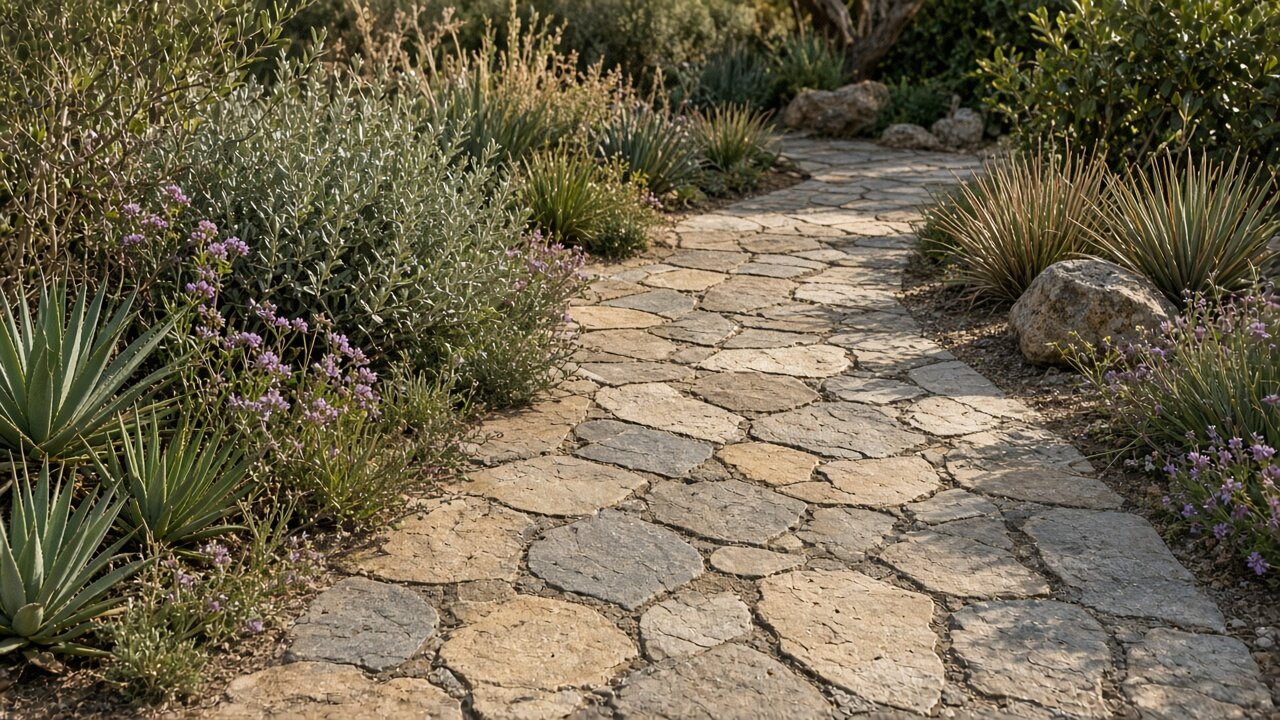
Crazy paving delivers a distinctively Australian aesthetic - the informal, natural-stone look that feels at home in cottage gardens, Mediterranean-style landscapes, and relaxed coastal properties. When done well, it creates characterful paths, patios, and entertaining areas with timeless appeal.
Understanding what makes crazy paving work - the materials, laying techniques, and situations where it excels - helps you decide if this classic approach suits your property, and how to achieve results that look intentional rather than haphazard.
What Is Crazy Paving?
Crazy paving uses irregularly-shaped stone pieces fitted together like a jigsaw puzzle, with mortared joints between pieces.
Defining Characteristics
Random stone shapes:
- No uniform size or shape
- Pieces fit together with minimal cutting
- Creates organic, flowing appearance
- Each installation unique
Mortared joints:
- Stones laid in mortar bed
- Joints pointed with mortar or grout
- Creates permanent, stable surface
- Distinguishes it from dry-laid stone
Traditional Australian style:
- Particularly popular mid-20th century
- Classic 1950s-70s Australian garden aesthetic
- Never truly gone out of style
- Experiencing renewed interest with modern twists
Why Crazy Paving Remains Popular
Despite being considered dated by some, crazy paving has enduring advantages.
Aesthetic Appeal
Character and individuality:
- Every installation unique
- Natural, relaxed appearance
- Suits informal garden styles
- Creates visual interest through variation
Timeless quality:
- Doesn’t follow trends (it is the trend)
- Appropriate for heritage and period homes
- Looks better with age (weathers naturally)
- Complements Australian native and cottage gardens
Colour and texture variety:
- Natural stone variation creates depth
- Less monotonous than uniform pavers
- Can mix stone colours for custom palette
- Texture adds visual richness
Practical Benefits
Cost-effective (potentially):
- Broken stone cheaper than cut pavers
- Can use locally-sourced stone
- Offcuts from stone suppliers affordable
- Labour-intensive but materials can be budget-friendly
Durable long-term:
- Natural stone extremely long-lasting
- Properly laid crazy paving lasts 50+ years
- Repairable (individual stones can be reset)
- Handles Australian weather extremes
Works on curves and irregular areas:
- More forgiving than regular pavers
- Easier to fit around trees, garden beds
- Creates flowing organic edges naturally
- No need for cutting straight lines
Excellent drainage (when laid properly):
- Joints allow water permeability
- Less runoff than solid concrete
- Can be designed to direct water flow
- Good for environmentally-conscious designs
Natural Stone vs Reconstituted Stone
Two fundamentally different material approaches.
Natural Stone Crazy Paving
What it is:
- Genuine quarried stone (sandstone, slate, limestone, quartzite)
- Split into random pieces
- Each piece unique in colour and texture
- Premium appearance
Advantages:
- Authentic appearance - genuine natural material
- Superior weathering - ages beautifully
- Colour depth - natural variation and richness
- Prestige - perceived higher quality
- Long lifespan - 50+ years common
- Unique - no two areas identical
Disadvantages:
- Higher cost - $80-150+ per m² for materials
- Variable thickness - makes laying more challenging
- Heavier - difficult to handle
- Inconsistent supply - specific stone availability varies
- Natural variation - can be harder to achieve consistent look
Popular natural stone choices:
Sandstone:
- Classic Australian choice
- Warm honey, cream, brown, grey tones
- Relatively soft (easier to work with)
- NSW and Queensland quarries
- $80-120 per m² typical
Slate:
- Darker colours (grey, black, charcoal, green)
- Smooth surface, flaky layers
- Sophisticated contemporary look
- More expensive ($100-150+ per m²)
- Can be slippery when wet
Quartzite:
- Very hard and durable
- Varied colours (white, cream, brown, grey)
- Sparkle from quartz crystals
- Premium price
- Excellent for high-traffic areas
Limestone:
- Softer stone (porous)
- Light colours (cream, beige, light grey)
- Mediterranean aesthetic
- Can stain or weather (needs sealing)
- Mid-price range
Reconstituted Stone Crazy Paving
What it is:
- Manufactured product from crushed stone in concrete matrix
- Made to look like natural stone
- Consistent thickness and density
- More affordable alternative
Advantages:
- Lower cost - $40-70 per m² typical
- Consistent thickness - easier laying
- Readily available - landscape suppliers stock it
- Predictable appearance - less variation
- Lighter weight - easier handling
- Modern manufacturing - consistent quality
Disadvantages:
- Less authentic appearance than genuine stone
- Can look manufactured (particularly cheaper products)
- Shorter lifespan - 20-30 years vs 50+ for natural
- Weathering less attractive - concrete matrix shows over time
- Less colour depth - pigments vs natural stone variation
When reconstituted works well:
- Budget-conscious projects
- DIY installations (easier to work with)
- Large areas where natural stone cost prohibitive
- Properties where “natural stone look” acceptable
- High-traffic areas (consistent thickness advantage)
Peninsula consideration: Natural sandstone suits coastal properties beautifully and weathers well with salt exposure. Reconstituted stone adequate for most suburban applications but can look stark initially.
Laying Techniques and Installation
Proper installation determines longevity and appearance.
Site Preparation Critical
Base requirements:
- Remove topsoil to stable ground
- 75-100mm compacted road base or crusher dust
- Level and graded for drainage
- Cannot skip this - inadequate base causes lifting and cracking
Drainage planning:
- Minimum 1:100 fall away from structures
- Plan for water runoff direction
- Consider drainage to garden beds or stormwater
- Clay soil areas (Peninsula) need particular attention
Laying Process
Traditional mortar-bed method:
-
Prepare concrete base (optional but recommended for patios):
- 75-100mm concrete slab
- Provides stable substrate
- Prevents movement and cracking
- Essential for high-traffic areas
-
Mortar bed application:
- 30-50mm mortar bed spread on area
- Stones pressed into mortar whilst wet
- Ensures good adhesion
- Work in manageable sections (mortar dries)
-
Stone selection and placement:
- Lay out stones before setting - arrange for best fit
- Aim for consistent joint width (15-25mm typical)
- Avoid long continuous joints (weakens overall structure)
- Mix stone sizes for visual interest
- Largest pieces in high-traffic areas
- Keep thickness variations minimal (or build up mortar under thin pieces)
-
Joint pointing:
- Once stones set (24-48 hours), point joints
- Mortar or grout pressed firmly into gaps
- Tooled smooth or recessed (aesthetic preference)
- Clean stone faces before mortar dries
- Allow full cure before use (3-7 days)
Modern Variations
Dry-laid with polymeric sand:
- Stones laid on compacted base without mortar
- Polymeric sand swept into joints
- Sand hardens when wetted
- Less permanent but easier DIY
- Better drainage than mortared
- Easier to repair or adjust
Wide-joint crazy paving:
- Joints 40-60mm wide filled with pebbles or plantings
- Very informal cottage-garden aesthetic
- Excellent drainage
- Softens hard paving with greenery
- Requires ongoing maintenance (planting care, weed control)
Mixed materials:
- Crazy paving combined with pavers or bricks
- Creates patterns or borders
- Combines formal and informal elements
- Suits transitional garden styles
Design Applications and When It Works Best
Crazy paving isn’t universal - certain applications suit it better.
Ideal Uses
Informal garden paths:
- Winding paths through garden beds
- Width can vary naturally
- Curves easily
- Cottage garden aesthetic
- Perfect application for crazy paving
Courtyard patios:
- Small intimate spaces
- Mediterranean or rustic themes
- Relaxed entertaining areas
- Sheltered spaces where character matters more than formality
Feature areas:
- Under pergolas or gazebos
- Around fire pits
- Small seating nooks
- Garden focal points
Pool surrounds (with appropriate stone):
- Textured natural stone provides grip
- Informal resort aesthetic
- Use slip-resistant stone types
- Seal appropriately
Heritage and period homes:
- Suits 1950s-70s homes authentically
- Appropriate for federation and cottage styles
- Complements established gardens
- Maintains period character
Less Suitable Uses
Large formal entertaining areas:
- Crazy paving can look busy at scale
- Formal designs better with regular pavers
- Modern architectural homes often clash with informal crazy paving
- Contemporary aesthetics favour clean lines
High-visibility front entries (sometimes):
- Depends on home style
- Ultra-modern homes: usually not appropriate
- Traditional/cottage homes: can work beautifully
- Consider context and formality desired
Very high traffic areas:
- Irregular surface can create trip hazards if poorly laid
- Smooth pavers often better for elderly or accessibility needs
- Commercial applications typically avoid it
Areas needing precise levels:
- Outdoor dining directly on crazy paving (wobbly table syndrome)
- Better to create smooth paver area for table, crazy paving around it
- Thickness variations in stone make achieving perfectly level surface challenging
Colour and Stone Selection
Warm tones (sandstone):
- Honey, cream, brown, tan
- Suits Australian native gardens
- Complements warm-coloured homes (brick, timber, rendered)
- Creates welcoming, sunny feeling
Cool tones (slate, bluestone):
- Grey, charcoal, black
- Sophisticated contemporary look
- Suits modern or formal gardens
- Can feel cooler visually (good for hot climates)
Mixed colours:
- Combining 2-3 complementary stone colours
- Creates richness and depth
- Avoid too many colours (looks chaotic)
- Ensure stones have similar thickness for easier laying
Light vs dark considerations:
- Light stone (sandstone, light quartzite): Less heat absorption, brighter appearance, shows dirt more
- Dark stone (slate, dark quartzite): Absorbs heat (hot summer sun), dramatic appearance, shows less dirt
Maintenance Requirements
Properly laid crazy paving is low maintenance, but not zero.
Ongoing Care
Cleaning:
- Sweep or blow regularly (debris between stones)
- Pressure wash annually or as needed
- Remove stains promptly (oil, leaves, etc.)
- Moss/algae removal in shaded damp areas
Joint maintenance:
- Inspect joints annually
- Repoint any cracked or missing mortar
- Prevents water getting under stones
- Small repairs prevent larger problems
Sealing (optional but recommended for some stones):
- Sandstone benefits from sealing (reduces staining)
- Slate often sealed for richer colour and slip-resistance
- Reseal every 3-5 years
- Use breathable stone sealer (not film-forming products)
Weed control:
- Mortared joints usually prevent weeds
- Older installations or wide joints may get weeds
- Hand-pull or spot-treat
- Avoid strong chemicals that stain stone
Relevelling:
- Occasional stones may lift or settle
- Remove stone, add/remove mortar, re-set
- Easier than relaying pavers (irregular shapes hide repairs)
Peninsula-specific:
- Salt exposure near coast may require more frequent cleaning
- Clay soil moisture can cause occasional movement
- Moss and algae more common in shaded damp Peninsula gardens
Cost Expectations
Materials (supply only):
- Reconstituted stone crazy paving: $40-70 per m²
- Natural sandstone: $80-120 per m²
- Premium natural stone (slate, quartzite): $100-180+ per m²
- Mortar, sand, cement, base materials: +$20-30 per m²
DIY project (including base preparation):
- Total materials: $70-150 per m² (varies with stone choice)
- Equipment hire: minimal (wheelbarrow, shovel, level)
- Time: 2-3 days for 15-20m² (includes curing time)
Professional installation:
- Reconstituted stone: $120-180 per m² installed
- Natural sandstone: $150-220 per m² installed
- Premium stone: $200-300+ per m² installed
Example project costs:
- Small path (10m², natural sandstone): DIY $1,000-1,300 materials, or $1,500-2,200 professionally installed
- Medium patio (20m², natural sandstone): DIY $2,000-2,600 materials, or $3,000-4,400 professionally installed
- Large entertaining area (40m², reconstituted): $4,800-7,200 professionally installed
Compare to regular concrete pavers installed: $100-180 per m² typically. Crazy paving costs more but delivers unique character.
For a comprehensive comparison of paving options, see our guide on paving ideas for Australian properties.
Common Crazy Paving Mistakes
Poor base preparation: Inadequate compaction or insufficient base material leads to settling, cracking, and stone movement. Cannot skimp here.
Inconsistent joint widths: Very narrow joints in some places, very wide in others looks unintentional. Aim for relatively consistent joint width throughout.
Long continuous joints: Avoiding “cross joints” (where four corners meet) is important, but so is avoiding long continuous joints running across entire area - creates weak lines.
Too much thickness variation: Mixing very thin stones with very thick creates uneven surface (trip hazard) and looks poor. Sort stones by thickness ranges.
Inadequate drainage planning: Water pooling leads to lifted stones, mortar failure, and long-term problems. Plan fall direction before starting.
Skipping stone layout: Setting stones into mortar without pre-arranging creates problems - you’re committed once stone is in mortar. Lay out first, then set.
Using wrong mortar mix: Too weak (excessive sand) leads to joint failure. Too strong (too much cement) can crack stones. Use appropriate ratio (typically 3:1 or 4:1 sand:cement).
DIY vs Professional Installation
DIY suitable for:
- Small to medium paths (under 20m²)
- Non-critical areas (not main entertaining patio)
- Homeowners with tiling or paving experience
- Projects where time isn’t critical
- Reconstituted stone (consistent thickness easier to work with)
Skills required:
- Mixing mortar to proper consistency
- Achieving consistent levels across uneven stones
- Understanding drainage and fall
- Physical capability (stone is heavy)
- Patience (slower than regular paver installation)
Professional recommended for:
- Large areas (30m²+)
- Primary entertaining patios
- High-visibility areas
- Complex drainage sites
- Natural stone with variable thickness
- Areas requiring perfect levels
- Homeowners without masonry experience
Professional crazy paving installation includes proper base preparation, appropriate mortar selection, expert stone layout and fitting, proper drainage, and quality pointing.
Modern Twists on Traditional Crazy Paving
Contemporary Adaptations
Large-format irregular pieces:
- Bigger stone pieces (not small fragments)
- Cleaner, less busy appearance
- Modern aesthetic whilst retaining natural stone character
- Suits contemporary homes better than traditional small-piece crazy paving
Regular pattern crazy paving:
- Some planning to create rough grid or alignment
- Not completely random
- Tidier appearance
- Bridges formal and informal styles
Feature insets:
- Regular pavers or tiles with crazy paving insets
- Creates focal points or borders
- Combines structure with organic elements
- Good transitional approach
Wide joints with plantings:
- Small groundcover plants or creeping thyme in joints
- Very informal cottage aesthetic
- Softens paving significantly
- Requires more maintenance but beautiful when mature
Stone Sourcing and Sustainability
Local stone advantages:
- Lower cost (reduced transport)
- Appropriate to local aesthetic
- Lower environmental impact
- Often quarried nearby (Peninsula and Victoria have sandstone sources)
Recycled and reclaimed stone:
- Old paving from demolition sites
- Authentic character and weathering
- More sustainable than new quarrying
- Can be cheaper (though variable availability)
- Perfect for heritage property restoration
Imported stone:
- Wider colour and type selection
- Higher cost
- Greater environmental impact (shipping)
- Sometimes superior quality or unavailable types locally
Sustainability considerations:
- Natural stone more sustainable long-term than concrete products (50+ year lifespan vs 20-30)
- Permeable joints better for stormwater management than solid concrete
- Local sourcing reduces carbon footprint
- Can be reused or recycled (stone remains stone)
Final Thoughts
Crazy paving offers characterful, durable paving solutions that feel distinctively Australian. When used appropriately - informal paths, cottage gardens, heritage properties, relaxed entertaining areas - it creates timeless beauty that improves with age.
Crazy paving works best when:
- Style matches your property and aesthetic preferences
- Properly installed on adequate base
- Natural stone chosen for authentic appearance and longevity
- Application suits informal design (not trying to be formal)
- Drainage planned properly for long-term performance
Consider alternatives when:
- Modern architectural home where clean lines matter
- Large formal entertaining area needed
- Accessibility concerns (uneven surfaces)
- Budget very tight (regular pavers may be more cost-effective)
For homeowners drawn to natural materials, character-rich surfaces, and gardens with personality rather than perfection, crazy paving remains an excellent choice. The irregular beauty, tactile quality, and timeless appearance create outdoor spaces that feel welcoming and individual.
Done well, crazy paving becomes a feature you appreciate daily - not just functional paving, but a characterful element that defines your outdoor space with warmth and authenticity.
Whether you choose warm sandstone for a sunny cottage path, dramatic slate for a contemporary courtyard, or budget-friendly reconstituted stone for a practical patio, crazy paving delivers an aesthetic that’s been proven over decades of Australian gardens - and continues to work beautifully today.
Need a Hand?
Professional lawn and garden services when you need them. Get a quote from our trusted Peninsula partners.
Contact Mowing Magic or Peninsula Hard Yards →Disclosure: We share links to related local services that serve our readers in the Peninsula area.