Your Complete Spring Garden Tidy Checklist for the Peninsula
Don't miss these essential spring garden tasks. Our Peninsula-specific checklist covers lawns, beds, hedges, and everything else to prep your garden for the growing season.
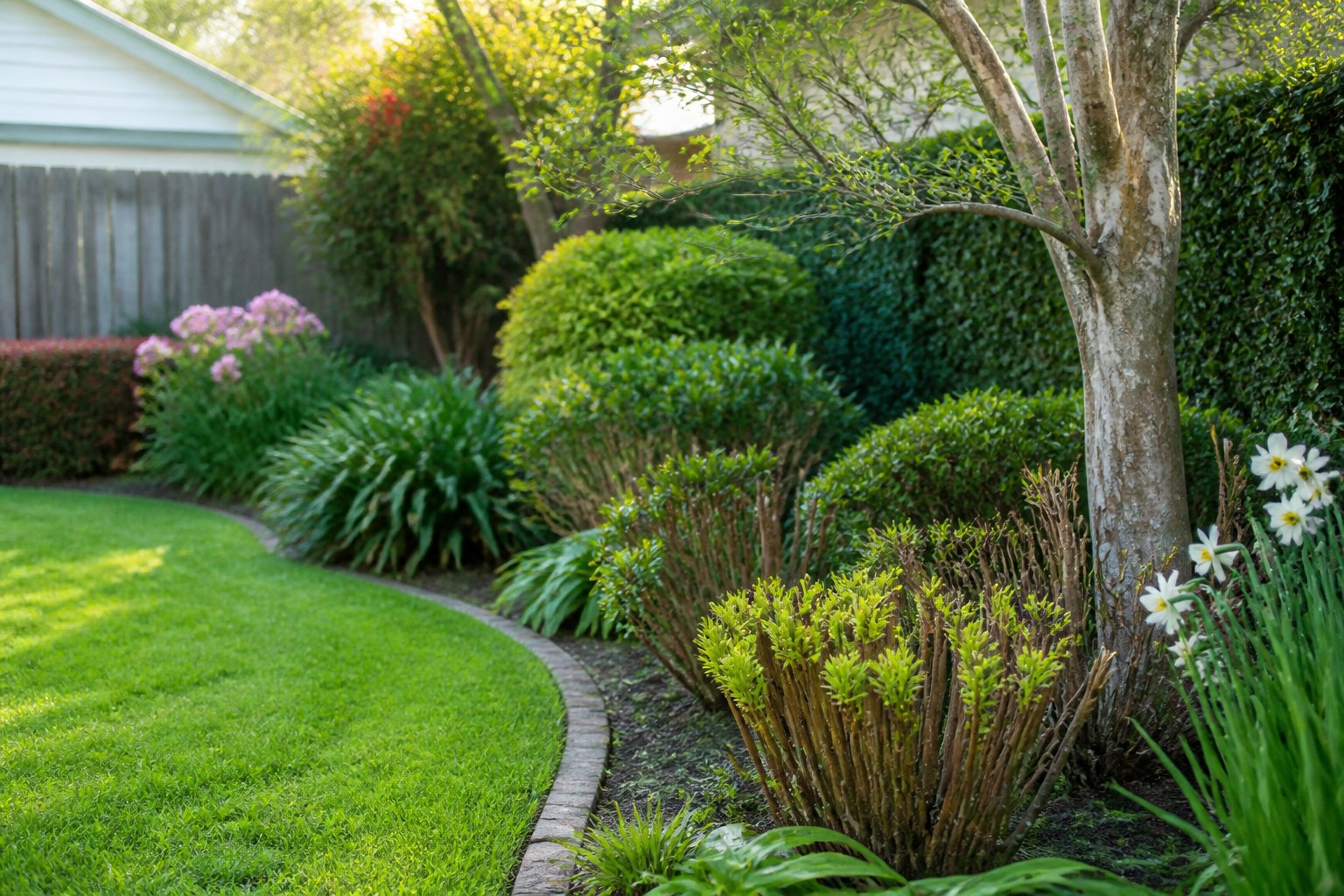
Spring is when Peninsula gardens wake up and reward our efforts. But to get the best results, you need to prepare properly as temperatures rise and growth accelerates.
Here’s your complete spring garden tidy checklist - tackle these tasks in September and October for a garden that thrives all season.
Lawn Tasks
1. First Mow of the Season
As grass starts growing, give it the first proper cut:
- Start with mower height raised slightly
- Don’t scalp - follow the one-third rule
- Sharpen mower blades if you haven’t already
- Establish your spring mowing schedule (every 5-7 days)
2. Edge Everything
Winter neglect shows worst at the edges. Redefine:
- All lawn/garden bed borders
- Driveway and path edges
- Borders along fences and structures
Crisp edges immediately lift appearance even if the rest of the lawn isn’t perfect yet.
3. Deal with Winter Weeds
Bindii, winter grass, broadleaf weeds - handle them before they set seed:
- Hand-pull or spot-treat lawn weeds
- Address bare patches (seed or turf)
- Consider pre-emergent for problem areas
4. Aerate If Needed
Compacted soil from winter foot traffic? Aeration helps:
- Core aeration is best
- Focus on high-traffic areas
- Follow up with topdressing if serious compaction
5. Fertilize
Spring feed kickstarts growth:
- Use quality lawn fertilizer with appropriate NPK
- Apply early spring (September)
- Water in thoroughly
- Follow with regular mowing
Garden Bed Tasks
6. Clear Winter Debris
Remove everything that built up over winter:
- Dead leaves and fallen branches
- Collapsed or dead perennials
- Weeds (get roots, don’t just pull tops)
- Any accumulated rubbish
Start with clean beds before adding new mulch.
7. Prune Where Appropriate
Spring pruning timing depends on plant type:
- Prune summer-flowering shrubs (they flower on new growth)
- Don’t prune spring-flowering shrubs until after they bloom
- Remove dead, diseased, or crossing branches
- Shape up growth from winter
Unsure? Research specific plants or get professional advice. Wrong timing ruins flowering.
8. Mulch Refresh
The single highest-impact task for garden bed appearance:
- Remove degraded old mulch if necessary
- Top up to proper depth (75-100mm)
- Keep mulch away from plant stems
- Redefine edges first for clean finish
Fresh mulch makes everything look cared-for instantly.
9. Divide Perennials
Spring or autumn - both work for most perennials:
- Divide overgrown clumps
- Replant divisions or share them
- Rejuvenates plants and fills gaps
10. Plant for Spring/Summer Display
Get new plants in while soil is warming but before heat stress:
- Annuals for instant color
- Perennials that’ll establish over summer
- Natives during active growth period
- Vegetables if you’re into edibles
Hedge and Shrub Tasks
11. Trim Hedges
First major trim of the season:
- Shape up winter growth
- Remove damaged or dead sections
- Encourage dense new growth
- Time it with spring flush for best results
For large or tall hedges, this is when professional help makes most sense.
12. Check for Pest/Disease
Winter hides problems that become obvious in spring:
- Inspect for scale, aphids, caterpillars
- Look for disease symptoms (spots, die-back, mold)
- Address early before they explode with warm weather
Irrigation and Water
13. Test Irrigation Systems
If you have automated irrigation, spring is system-check time:
- Run through all zones
- Check for broken heads or lines
- Adjust spray patterns and timing
- Clear blocked nozzles
- Replace worn components
Better to find problems now than mid-summer when plants are stressed.
14. Set Up Hoses and Sprinklers
Get watering infrastructure ready:
- Check hoses for leaks and cracks
- Replace washers in leaky fittings
- Set up sprinklers in logical locations
- Test everything before you need it urgently
Garden Structure and Hardscaping
15. Clean Hard Surfaces
Paths, patios, driveways - clean them properly:
- Pressure wash or scrub pavers
- Remove moss and algae (slip hazards)
- Treat persistent organic growth
- Sweep and tidy
Clean hard surfaces frame your garden beds and lawn beautifully.
16. Check and Repair Edges/Borders
Physical edging takes a beating over winter:
- Reset shifted metal or plastic edging
- Replace damaged sections
- Secure loose components
- Consider installing edging where missing
17. Service Garden Furniture
Bring outdoor furniture back to life:
- Clean and treat timber
- Touch up painted metal
- Replace damaged cushions
- Oil or treat as needed
18. Check Gates, Fences, Structures
Winter weather damages structures:
- Tighten loose fixings
- Treat rust or rot
- Repaint or stain if needed
- Replace broken components
Tools and Equipment
19. Service Mowers and Equipment
Don’t wait for the first mow to discover your mower won’t start:
- Service or replace mower
- Sharpen all blades (mower, hedger, shears)
- Check battery tools are charged and working
- Replace fuel in petrol equipment
- Oil and clean everything
20. Restock Supplies
Check you have what you need:
- Fertilizers (lawn and garden)
- Mulch (order bulk early)
- Potting mix for containers
- Pest and disease treatments
- Line trimmer string
- Spare parts
Running out mid-task on a Sunday is frustrating.
Pest Control
21. Address Emerging Pests
Spring warmth brings pests out:
- Set up snail and slug traps/barriers
- Monitor for caterpillars and beetles
- Deal with ants before they farm aphids
- Check for borers in susceptible trees
22. Encourage Beneficial Insects
Don’t kill everything:
- Plant insect-attracting flowers
- Avoid broad-spectrum insecticides
- Provide water sources
- Create habitat (leaf litter in designated areas)
Container and Pot Plants
23. Refresh Container Plantings
Pots take a beating over winter:
- Replace spent plants
- Refresh potting mix
- Clean pots properly
- Feed with slow-release fertilizer
- Check drainage holes aren’t blocked
24. Repot Rootbound Plants
Spring is ideal for repotting:
- Check if plants need larger containers
- Use quality potting mix
- Tease out circling roots
- Water in thoroughly
Planning and Assessment
25. Identify Problem Areas
Walk your property critically:
- What looks terrible and needs attention?
- Where did things fail over winter?
- What’s missing for spring/summer?
- What needs professional help?
Make a plan and prioritize.
26. Schedule Regular Maintenance
Set yourself up for success:
- Block out regular mowing times
- Schedule seasonal tasks (fertilizing, mulching)
- Plan for when to hire help
- Be realistic about what you’ll actually do
The Peninsula Factor
Our local spring conditions affect timing:
Coastal properties: Often ahead by 2-3 weeks. Start tasks earlier.
Inland properties: Can be cooler and later. Watch your specific conditions.
Frost risk: Some inland areas can still get frost through September. Don’t rush tender plants.
Wind: Spring winds are brutal on new growth and structures. Secure things properly.
Tackling It All: Realistic Approach
This checklist is comprehensive - possibly overwhelming. You don’t have to complete everything in one weekend.
Prioritize:
Week 1 (Essential):
- Lawn mowing and edging
- Major debris clear-out
- Weed control before they seed
Week 2-3 (High Impact):
- Mulch refresh
- Hedge trimming
- Hard surface cleaning
Week 4+ (Nice to Have):
- Dividing perennials
- Container refreshes
- Detailed tidy-up
Or spread tasks across September-October. As long as you’re finished before peak heat, you’re fine.
When to Get Help
Spring is the busiest time for professional garden services. Book early if you’re considering help.
Good candidates for professional spring tidy:
- Full property spring refresh (they’ll work through the checklist efficiently)
- Hedge trimming if yours are large or difficult
- Pressure washing hard surfaces
- Major pruning work
- Large-scale mulch application
Many homeowners do basic tasks themselves (mowing, weeding, minor tidy) and bring in professionals for the heavy lifting or skilled work. This hybrid approach manages costs while ensuring quality results where it matters most.
Final Thoughts
A thorough spring tidy sets your garden up for six months of great results. It’s easier to maintain a garden in good condition than to constantly fight catch-up.
Start early (late August/early September) so you’re not rushing in late October when it’s already hot. Work through tasks systematically rather than randomly.
The effort you put in now pays off all summer when your neighbors are asking how you keep your garden looking so good.
And remember: this checklist represents the ideal. Do what you can, prioritize the visible and essential tasks, and don’t stress about perfection. A partially completed spring tidy beats none at all.
If the list feels overwhelming or you’re short on time, that’s exactly when professional garden services earn their keep. They can complete your entire spring checklist in a day or two, freeing you to enjoy spring rather than exhausting yourself on garden labor.
Need a Hand?
Seasonal garden clean-ups and maintenance. Get a quote from our trusted Peninsula partners.
Contact Peninsula Hard Yards →Disclosure: We share links to related local services that serve our readers in the Peninsula area.