How Often to Mow Your Lawn Through Victorian Seasons
A complete guide to lawn mowing frequency across Victoria's seasons. Learn when to mow more, when to ease off, and how to adapt to Peninsula weather patterns.
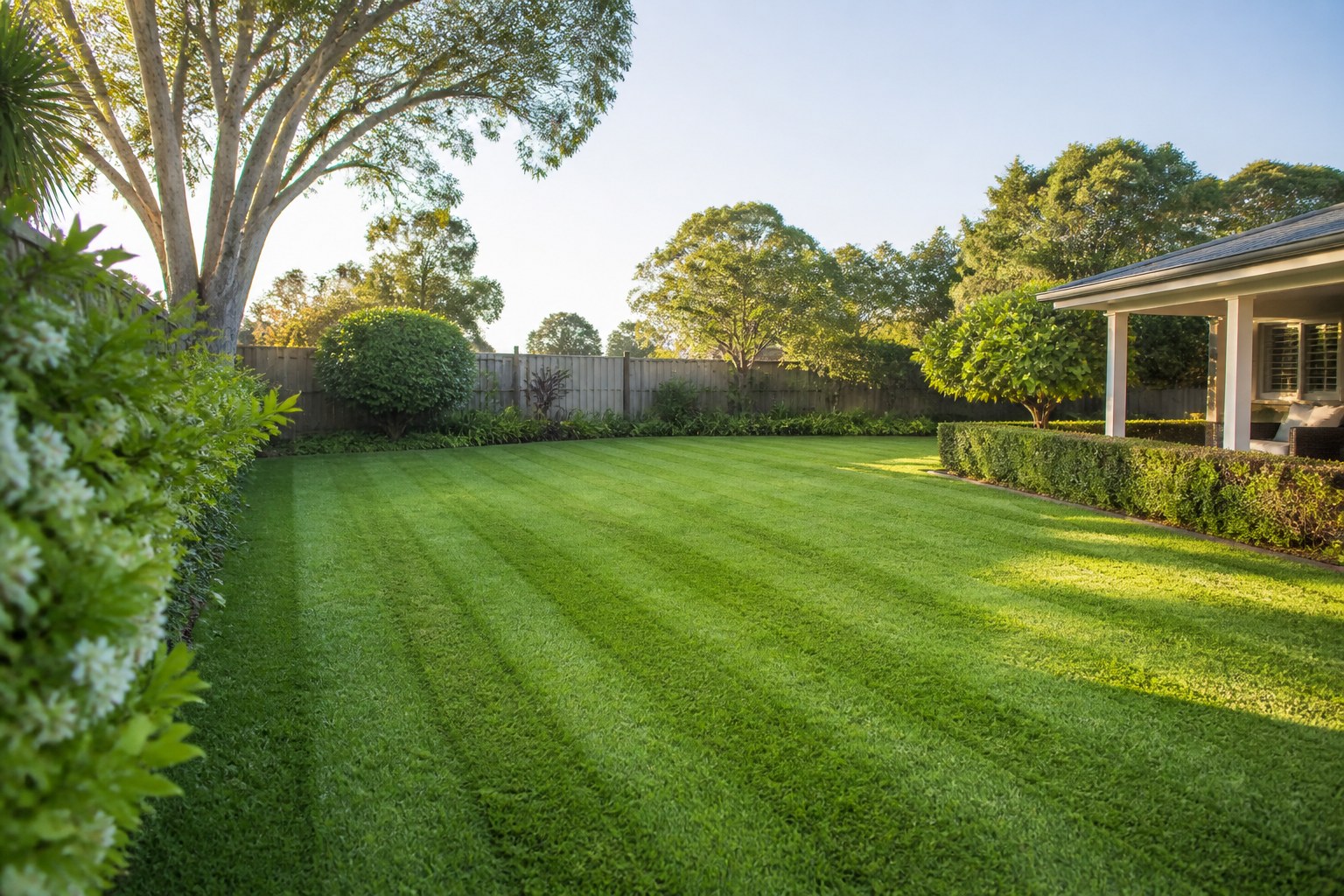
Getting your mowing schedule right is one of the most important aspects of lawn care in Victoria. Too frequent and you stress the grass; too infrequent and your lawn becomes unruly and harder to maintain. Here’s your complete seasonal guide to mowing frequency on the Mornington Peninsula and across Victoria.
Spring: Peak Growing Season
September to November is when Victorian lawns wake up with a vengeance. With warming temperatures and usually decent rainfall, grass grows fastest during these months.
Mowing frequency: Every 5-7 days
During spring, you’ll want to mow frequently but never remove more than one-third of the grass height at once. This is the golden rule of lawn care. If your lawn is getting away from you, raise the mower height and gradually bring it down over several mows.
Spring is also the time to:
- Check your mower blades are sharp
- Establish a regular routine before summer hits
- Consider whether you need professional help to get on top of it
Summer: Managing the Heat
December to February brings different challenges. Hot, dry spells can slow grass growth dramatically, especially here on the Peninsula where we get those scorching northerlies.
Mowing frequency: Every 7-10 days (or longer during drought)
Key summer mowing tips:
- Raise your mower height by 10-20mm. Longer grass shades the soil and helps retain moisture
- Mow in the early morning or evening to reduce stress on both you and the lawn
- Never mow stressed, brown grass - wait for rain or irrigation to green it up
- If your lawn goes dormant in extreme heat, pause mowing entirely
Many Peninsula homeowners find summer the trickiest time to maintain consistent lawn care. If you’re struggling with the heat or going away over the holidays, a professional mowing service can keep things tidy while you’re away.
Autumn: The Second Growth Spurt
March to May often delivers another growth surge, particularly with autumn rains cooling things down after summer.
Mowing frequency: Every 7-10 days
Autumn is your last chance to get the lawn in top shape before winter:
- Gradually lower your mowing height back to normal (but not too low)
- Keep up with mulching around garden beds to prevent grass creeping in
- Remove fallen leaves promptly - they smother grass if left too long
- This is prime time for lawn renovation work
Check out our autumn lawn care checklist for a complete guide to getting your grass ready for winter.
Winter: Slow and Steady
June to August sees dramatically slower growth. In colder parts of Victoria, some grass varieties go almost dormant.
Mowing frequency: Every 14-21 days (or not at all in very cold areas)
Winter mowing considerations:
- Only mow when necessary and when the lawn is dry
- Avoid mowing wet grass - it clumps, smothers the lawn, and makes a mess
- Raise your mowing height slightly to help grass withstand frost
- Skip mowing altogether during frosty periods
Many Peninsula residents pause mowing entirely in July and early August. If your lawn is barely growing, there’s no need to keep at it just for the sake of routine.
The One-Third Rule: Never Compromise
Regardless of season, never remove more than one-third of the grass blade in a single mow. This rule is non-negotiable for healthy grass.
If you’ve let it get too long:
- Mow at your highest setting first
- Wait a few days
- Lower the height and mow again
- Repeat until you’re back to your desired height
“Scalping” your lawn (cutting it too short) stresses the grass, encourages weeds, and creates bare patches. If you find yourself constantly fighting an overgrown lawn, it might be time to hand it over to professionals who can get it back on track.
Peninsula-Specific Considerations
The Mornington Peninsula has unique microclimates. Coastal properties often stay greener longer thanks to sea breezes and milder temperatures, while inland areas experience greater temperature swings.
Your mowing schedule should adapt to:
- Your specific property conditions - sun, shade, soil type
- Recent rainfall - growth accelerates after good rain
- Grass variety - couch, kikuyu, and fescue all grow at different rates
- Your lawn’s health - stressed grass needs less frequent mowing
DIY or Hire?
Managing a consistent mowing schedule year-round takes commitment. Life gets busy, equipment breaks down, and sometimes you just want your weekends back.
Consider professional help if:
- You travel frequently and miss regular mowing windows
- Your lawn gets away from you seasonally
- You don’t have reliable equipment
- You’d rather spend weekend time on other priorities
Regular professional mowing keeps your lawn looking consistent, prevents it getting out of control, and often includes edging and cleanup that makes a huge difference to the overall presentation.
Final Thoughts
The right mowing frequency depends on your grass type, local conditions, and seasonal weather patterns. Use this guide as a starting point, then adjust based on what you observe in your own yard.
Remember: it’s better to mow a little more often than to let it get too long and have to scalp it back. Consistency beats perfection every time.
Need help establishing a reliable mowing routine or catching up on an overgrown lawn? Local professional services can take the guesswork out of seasonal lawn care.
Need a Hand?
Professional lawn mowing, edging, and regular lawn care services. Get a quote from our trusted Peninsula partners.
Contact Mowing Magic →Disclosure: We share links to related local services that serve our readers in the Peninsula area.