Hedge Trimming Basics: When to DIY and When to Hire a Pro
Learn the fundamentals of hedge trimming, the right tools for the job, seasonal timing, and when it makes sense to hand the job over to professional hedge trimmers.
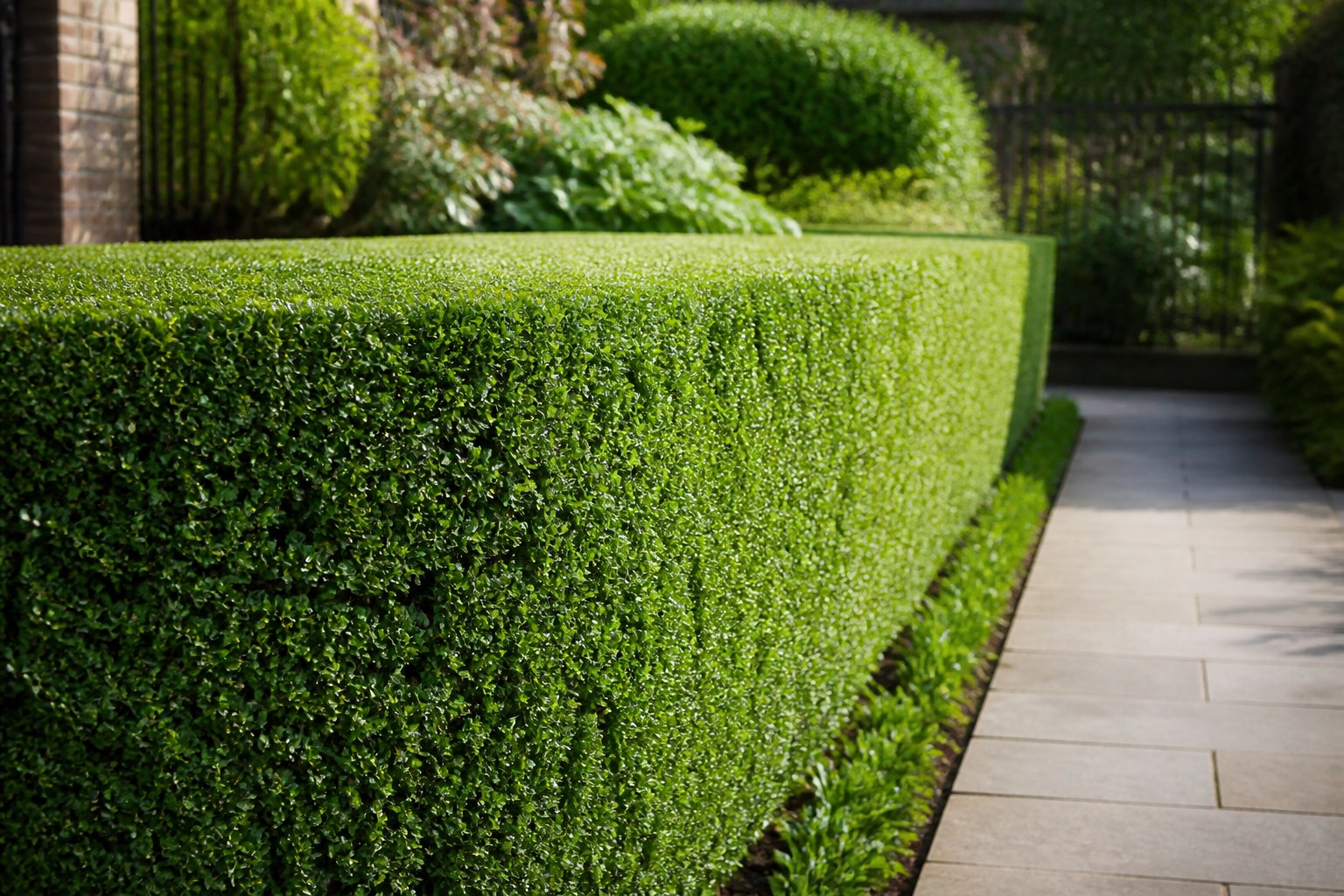
Well-maintained hedges transform a property. They provide privacy, structure, windbreaks, and that polished look that announces “this property is cared for.” But hedge trimming is where many DIY gardeners hit their limit.
Here’s what you need to know about trimming hedges, from basic technique to knowing when to call in the experts.
Why Hedge Trimming Matters
Unlike most garden tasks, hedge trimming is highly visible and permanent. A bad mowing job grows back in a week. A badly butchered hedge takes months or even years to recover.
Regular trimming:
- Maintains shape and size
- Encourages dense, healthy growth
- Prevents hedges becoming thin and “leggy”
- Keeps formal hedges looking intentional
- Protects neighboring plants from being overshadowed
Neglected hedges grow large, woody, and increasingly difficult to manage. Tackle them regularly rather than waiting until they’re out of control.
Types of Hedges and Trimming Needs
Formal Hedges
Examples: Box, privet, lilly pilly (when tightly shaped)
Trimming frequency: 2-3 times per year minimum, up to monthly during peak growth
Skill level: Moderate to high - precision matters
Formal hedges require clean, straight lines and uniform surfaces. This is where technique and the right tools make or break results.
Informal Hedges
Examples: Natives like westringia, callistemon, or loosely-grown lilly pilly
Trimming frequency: 1-2 times per year
Skill level: Easier - natural shape is the goal
These are more forgiving. You’re managing size and encouraging bushiness rather than creating architectural precision.
Feature Hedges
Examples: Ornamental hedges, topiaries, feature screening
Trimming frequency: As needed for the specific plant
Skill level: High - often requires specialist knowledge
Consider these specialty jobs unless you have specific experience with the plant type.
Essential Hedge Trimming Tools
Hand Shears
Best for:
- Small hedges (under 1.5m)
- Precision work
- Tender new growth
- Quiet neighborhoods
Limitations: Exhausting for large hedges, slow
Electric/Cordless Hedge Trimmers
Best for:
- Most residential hedges up to 2-3m
- Regular maintenance
- DIY homeowners
Tip: Cordless battery trimmers have improved dramatically. They offer freedom of movement without extension cords or petrol maintenance.
Petrol Hedge Trimmers
Best for:
- Large hedges
- Thick, woody growth
- Professional use
Drawback: Heavy, noisy, require maintenance, overkill for most suburban hedges
Pole Hedge Trimmers
Best for:
- Tall hedges (up to 4m)
- Working from ground level
Critical: If you need a pole trimmer, seriously consider whether this job should be DIY. Working overhead with a long, vibrating tool is tiring and potentially dangerous.
Basic Trimming Technique
Formal Hedges: The Trapezoid Shape
Never trim hedges straight up and down. Always taper them - slightly wider at the bottom than the top.
Why? This allows light to reach the lower branches, preventing the base from becoming bare and woody.
Method:
- Set up string lines for straight hedges (critical for professional results)
- Start at the bottom, work upward
- Keep trimmer blade parallel to hedge surface
- Use sweeping motions, don’t stab or jab
- Step back frequently to check your work
Informal Hedges: Encourage Natural Shape
Rather than shearing flat, selectively prune:
- Remove wayward branches
- Thin out dense areas for air circulation
- Trim to just above leaf nodes
- Maintain the plant’s natural growth habit
Seasonal Timing
Spring (September-October)
- Trim after initial spring flush
- Encourages dense, bushy growth
- Main trimming season for most hedges
Summer (December-January)
- Trim fast-growing hedges again if needed
- Avoid trimming during extreme heat
- Keep hedges hydrated after trimming
Autumn (March-April)
- Final tidy-up before winter
- Don’t trim too late - new growth needs time to harden before frost
Winter (June-August)
- Minimal trimming for most species
- Good time for major structural pruning (not just trimming)
- Deciduous hedges can be shaped when dormant
Plant-specific timing varies. Some natives prefer light trimming after flowering. Research your specific hedge species or consult experts.
Common Mistakes
1. Letting It Get Too Big
The longer you leave it, the harder it gets. An annual trim is manageable. Catching up on three years of growth is a major job.
2. Scalping
Cutting into old, woody growth (especially on conifers) often won’t regenerate. You’ll have permanent bare patches.
3. Blunt Blades
Dull trimmer blades tear rather than cut. This creates brown, damaged edges and makes disease more likely. Keep blades sharp.
4. Wrong Time of Year
Trimming too late in autumn leaves soft new growth vulnerable to frost. Trimming too early in spring might remove flower buds.
5. No Drop Sheets
Hedge clippings take forever to clean up off lawns and garden beds. Lay down tarps or drop sheets first, then gather and dispose of all clippings. This is the difference between a one-hour job and a three-hour job.
Safety Considerations
Hedge trimming causes more injuries than most garden tasks:
- Power tool safety: Electric trimmers are dangerous. One moment of inattention can cause serious injury
- Working at height: Ladders on uneven ground, reaching overhead - falling is a real risk
- Overhead power lines: Never trim near power lines. Ever.
- Trip hazards: Extension cords, clippings, unstable ground
- Repetitive strain: Holding a trimmer overhead for extended periods causes fatigue and poor decisions
Essential safety gear:
- Safety glasses (absolutely non-negotiable)
- Sturdy gloves
- Enclosed footwear
- Hearing protection for petrol trimmers
- High-vis if working near roads
When to Hire Professionals
Hedge trimming is a classic “seems easy until you try it” task. Consider professional help when:
Height is a Factor
Anything requiring ladders or overhead work is risky. Professional hedge trimmers have proper equipment (elevated platforms, appropriate scaffolding, pole trimmers) and insurance.
If your hedges are over 2.5 meters tall, this is a job for specialists.
Precision Matters
Front-of-house formal hedges define your property’s appearance. Wonky, uneven hedges are highly visible mistakes. Professionals have the experience to achieve consistent, clean lines.
Volume is High
Multiple large hedges around your property? That’s hours or even days of physical work. Professional services can complete in a fraction of the time with better results.
Plant Knowledge Required
Some plants have specific pruning requirements. Prune at the wrong time or in the wrong way and you’ll damage flowering, growth, or even plant health.
Equipment You Don’t Own
Don’t buy a $300-500 hedge trimmer for one or two sessions per year. The equipment cost alone makes professional services competitive - and they have industrial-grade tools that work better.
Physical Limitations
Hedge trimming is physically demanding. If you have back, shoulder, or mobility issues, don’t push through. It’s not worth injury.
DIY Cost vs Professional Cost
DIY costs:
- Hedge trimmer: $150-500+ (or rental $50-80/day)
- Extension cords, safety gear: $50-100
- Ladder/work platform: $100-500 if you don’t own one
- Green waste disposal: $20-50+ depending on volume
- Your time: 4-8+ hours for substantial hedges
- Risk of poor results or injury: priceless
Professional costs:
- Varies by hedge size, height, and access
- Often includes cleanup and green waste removal
- Equipment, insurance, expertise included
- Results guaranteed
For occasional hedge maintenance on large or tall hedges, professional services often work out cheaper than buying gear, spending your weekend, and risking average results.
Finding the Right Balance
Some homeowners successfully maintain small to medium hedges themselves and hire professionals for:
- Annual major shape-up
- Height reduction
- Problem areas
- Front hedges requiring precision
This hybrid approach keeps costs down while ensuring the most visible or challenging elements look professional.
Final Thoughts
Hedge trimming sits in an awkward middle ground. It’s not as straightforward as mowing a lawn, but it feels like something you should be able to do yourself.
The truth is, it depends on your hedges, your equipment, your skill level, and your tolerance for imperfect results.
Start with small, informal hedges where mistakes aren’t catastrophic. Build your skills there. For tall hedges, formal hedges, or anything highly visible from the street, there’s no shame in hiring professionals who do this daily.
Well-trimmed hedges are a pleasure to look at. Badly trimmed hedges haunt you for months. Choose wisely based on your situation, and don’t let pride or stubbornness lead to results you’ll regret.
If you decide professional help makes sense for your property, look for services that include hedge trimming as part of comprehensive garden maintenance, not just as a one-off job. Regular maintenance keeps hedges manageable and looking great year-round.
Need a Hand?
Expert hedge trimming, pruning, and garden maintenance. Get a quote from our trusted Peninsula partners.
Contact Peninsula Hard Yards →Disclosure: We share links to related local services that serve our readers in the Peninsula area.