Fence Privacy Screens That Still Look Good
Add privacy to fences with timber battens, metal screens, climbing plants, and panel styles that complement Australian properties. Practical solutions for Peninsula homes balancing screening with aesthetics and neighbour considerations.
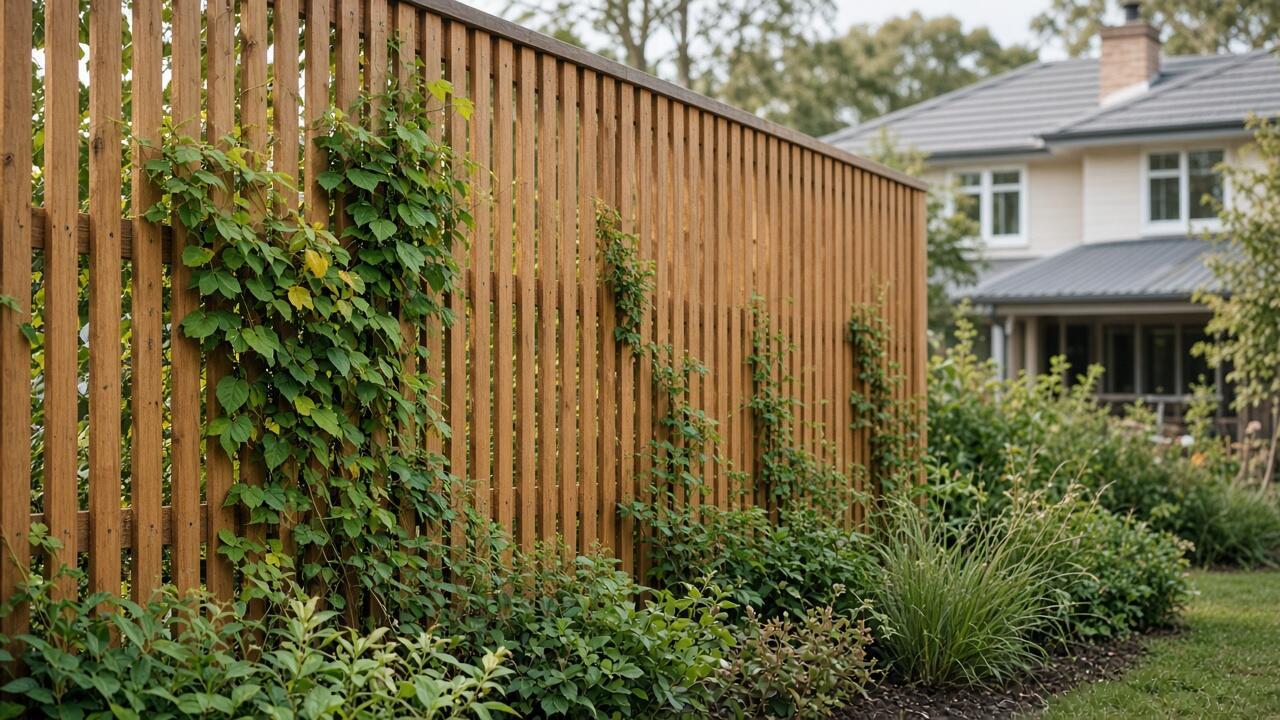
Privacy screens transform functional boundary fences into attractive barriers that block sightlines whilst maintaining air circulation, light penetration, and visual appeal—critical balance for Australian suburban blocks where properties sit close together yet outdoor living requires reasonable privacy from neighbours’ overlooking windows and entertaining areas.
Clumsy screening creates fortress-like environments that darken properties, obstruct cooling breezes, and antagonise neighbours through imposing presence. Thoughtful screening achieves privacy through strategic placement, appropriate materials, and design consideration that respects shared fence lines whilst meeting legitimate privacy needs for Peninsula and Melbourne properties.
Understanding screening material options, installation approaches, legal constraints, and neighbour relationship management helps homeowners add privacy without creating visual or practical problems that compromise property amenity or neighbourhood harmony.
Why Add Screening to Existing Fences
Standard boundary fences often provide inadequate privacy for outdoor living.
Common Privacy Problems
Overlooking from upper stories:
- Neighbour’s second-storey windows view into your yard
- Upstairs balconies or decks overlook your entertaining area
- Standard 1.8m fence inadequate when overlooked from above
- Privacy screening extends effective height
- Blocks sightlines without building taller solid fence
Side passages and narrow gaps:
- Gaps between houses (side passages)
- Neighbours see through when passing
- Narrow spaces amplify privacy concerns
- Screening provides visual barrier
- Maintains air flow through narrow spaces
Entertaining area exposure:
- Outdoor dining or seating areas visible to neighbours
- Lack of privacy discourages outdoor use
- Screening creates comfortable private zones
- Targeted application (don’t screen entire fence, just priority areas)
- Transforms outdoor living usability
Street frontage:
- Front yard overlooked by footpath traffic
- Sitting areas exposed to street view
- Screening provides privacy without solid fortress appearance
- Balances street presence with private zones
- Maintains neighbourhood character
Screening vs Rebuilding Fence
Why screening often better:
- Cheaper than fence replacement (fraction of cost)
- Doesn’t require neighbour consent (if on your side)
- Lighter appearance than solid 2.4m fence
- Adds design feature (not just functional barrier)
- Reversible if circumstances change
When rebuilding better:
- Existing fence structurally failing
- Neighbour agrees to share cost taller fence
- Solid sound barrier needed (busy road, noisy neighbour)
- Uniform appearance priority
- Starting from scratch (no existing fence)
For comprehensive outdoor privacy solutions including living screens and broader strategies, see our detailed guides on outdoor privacy screen ideas and garden privacy screen approaches.
Timber Batten Screens
Horizontal or vertical timber slats create popular contemporary screening.
Design and Appearance
Horizontal battens:
- Contemporary clean lines
- Slats typically 70-90mm wide with 50-70mm gaps
- Frame holds battens (posts and rails)
- Modern aesthetic suits contemporary homes
- Peninsula coastal modern architecture alignment
Vertical battens:
- More traditional appearance
- 40-70mm slats with 40-60mm gaps
- Post-and-rail or direct-fix to fence
- Softer look than horizontal
- Suits range of architectural styles
Spacing considerations:
- Wider gaps: more light and air, less privacy
- Narrow gaps: more privacy, less light and breeze
- 50-70mm gap typical balance
- Test sight-lines at installed height before final fixing
- Consider viewing angles (sitting vs standing)
Material Options
Treated pine:
- Most affordable: $30-60 per linear metre installed (DIY), $80-150 professional
- Requires painting or staining (maintenance)
- 10-15 year lifespan treated pine
- Budget-friendly option
- Paint or stain required for appearance (natural treated pine looks industrial)
Hardwood (Merbau, Spotted Gum):
- Natural durability (20-30 years)
- Beautiful natural timber tones
- Ages to silver-grey if left unsealed
- $60-120 per linear metre installed (DIY), $150-250 professional
- Premium timber choice
Modified timber (Accoya, Kebony):
- Treated for extreme durability (25-50 years)
- Stable (minimal warping or cupping)
- Lighter weight than hardwood
- $80-150 per linear metre installed (DIY), $180-300 professional
- Premium long-term option
Composite (timber-look):
- Recycled plastic and timber fibre
- Low maintenance (no painting or staining)
- 25+ years lifespan
- $100-180 per linear metre installed (DIY), $200-350 professional
- Expensive initially but minimal ongoing costs
Installation Methods
Attached to existing fence:
- Posts fixed to existing fence posts or palings
- Frame built out from fence
- Screen mounted to frame
- Simplest installation (utilises existing structure)
- Works well if existing fence sound
Freestanding screen:
- Independent posts set in ground (concrete footings)
- Screen doesn’t touch existing fence
- Allows gap for maintenance access
- Better if existing fence weak or replacement likely
- More robust long-term
DIY vs professional:
- Capable DIY builders can install batten screens
- Requires basic carpentry skills (cutting, fixing, levelling)
- Power tools needed (mitre saw, drill, level)
- Professional installation worth considering if complex angles or high screens
- Labour cost: $40-80 per linear metre typical
Cost Expectations
DIY materials (per linear metre, 1.8m high screen):
- Treated pine: $30-60
- Hardwood: $60-120
- Modified timber: $80-150
- Composite: $100-180
Professional supply and install:
- Treated pine: $80-150
- Hardwood: $150-250
- Modified timber: $180-300
- Composite: $200-350
Typical 6m length screening:
- DIY treated pine: $180-360
- Professional hardwood: $900-1,500
Metal Privacy Screens
Laser-cut or perforated metal panels create contemporary screening.
Metal Screen Types
Laser-cut decorative panels:
- Intricate patterns laser-cut in metal sheet
- Aluminium or mild steel
- Powder-coated colours or natural metal finish
- Modern sculptural appearance
- Feature screening (statement)
Perforated sheet:
- Uniform hole pattern (round, square, slot)
- Subtle texture rather than feature pattern
- Industrial-modern aesthetic
- Cheaper than laser-cut custom patterns
- Functional screening
Corten (weathering steel):
- Rusts to stable orange-brown patina
- No painting required (rust is finish)
- Contemporary industrial aesthetic
- Premium choice
- Staining possible initially (rust runoff onto paving)
Metal Screen Advantages
Durability:
- 20-50+ years depending on material and coating
- No rot or termite concerns
- UV stable (no fading)
- Salt tolerant (coastal Peninsula)
- Low maintenance
Design flexibility:
- Custom patterns possible (laser-cut)
- Wide colour range (powder coating)
- Thin profile (doesn’t bulk up fence)
- Contemporary aesthetic
- Suits modern architecture
Light and air flow:
- Perforated designs maintain ventilation
- Semi-transparent (reduces mass appearance)
- Shadows create visual interest
- Less imposing than solid screens
Metal Screen Limitations
Cost:
- Expensive: $200-600 per square metre (materials)
- Professional installation typically required
- Decorative laser-cut patterns: $400-800 per square metre
- Budget-busting for large screening areas
- Best used selectively (feature panels)
Heat:
- Metal heats in sun (hot to touch)
- Dark colours amplify heat absorption
- Position away from seating areas if possible
- Light colours stay cooler
- Peninsula summer sun consideration
Aesthetic specificity:
- Contemporary style only
- Doesn’t suit heritage or cottage properties
- Can look out of place traditional neighbourhoods
- Polarising appearance (love or hate)
- Requires architectural compatibility
Climbing Plants on Structure
Living screens soften fences whilst providing privacy.
Plant-Based Screening Advantages
Softness:
- Green foliage less harsh than hard materials
- Natural appearance
- Seasonal interest (flowers, autumn colour)
- Wildlife habitat (birds, insects)
- Suits all architectural styles
Cost-effective:
- Plants cheaper than building materials
- Simple support structure required
- DIY-friendly installation
- Ongoing growth improves coverage
- Budget solution
Flexibility:
- Can combine with other screening (battens + plants)
- Deciduous plants allow winter sun
- Evergreen plants year-round screening
- Prune to manage coverage
- Changes over time (not static like built screens)
Support Structures
Wire trellis:
- Galvanised wire or cable (4mm) tensioned between posts
- Horizontal wires 300-400mm spacing
- Simple, cheap, nearly invisible
- Plants do the work
- $5-15 per linear metre materials
Timber trellis:
- Lattice panels or custom-built frame
- Provides immediate partial screening (before plant coverage)
- $30-80 per linear metre
- More substantial than wire
- Can be feature itself
Cable system:
- Stainless steel cable tensioned vertically or horizontally
- Modern appearance
- Expensive: $40-100 per linear metre
- Suits contemporary properties
- Nearly invisible when plants established
Suitable Climbing Plants
Fast-growing evergreen (Peninsula climate):
- Hardenbergia violacea (native sarsaparilla): purple flowers, fast, coastal tolerant
- Star jasmine (Trachelospermum jasminoides): fragrant white flowers, dense coverage
- Pandorea jasminoides (bower vine): pink-white flowers, vigorous, Australian native
- Native clematis (Clematis aristata): fast, scrambling, indigenous Peninsula
- These reach 3-5m within 2-3 years
Moderate coverage evergreen:
- Climbing guinea flower (Hibbertia scandens): yellow flowers, Australian native
- Kennedia rubicunda (dusky coral pea): red flowers, native, moderate growth
- Pandorea pandorana (wonga wonga vine): cream flowers, native, reliable
- More controlled growth (suitable narrow spaces)
Deciduous (winter sun):
- Grape vines: edible fruit, strong autumn colour, dies back winter
- Wisteria: spectacular flowers spring, shade summer, bare winter
- Deciduous clematis varieties: flowers, dies back winter
- Winter sun valuable Melbourne and Peninsula
Avoid:
- English ivy (Hedera helix): invasive, damages structures
- Morning glory: weedy, aggressive, environmental weed
- Bougainvillea: thorny, difficult to control (though beautiful coastal areas)
Plant Screening Maintenance
Pruning:
- Annual or twice-yearly pruning maintains coverage within bounds
- Dense growth requires tip pruning (encourages branching)
- Remove dead wood annually
- Takes 15-30 minutes per 6m section
- Ongoing maintenance commitment
Watering:
- Establishment watering first 12-18 months critical
- Once established, most natives drought-tolerant
- Peninsula rainfall adequate established plants typically
- Consider irrigation for fast establishment
Lifespan:
- Living screens require replanting every 10-20 years (plant lifespan)
- Some climbers long-lived (wisteria decades)
- Others shorter-lived (need replacement)
- Ongoing maintenance versus built screens (one-time installation)
For comprehensive planting strategies for privacy including fast-growing screening hedges and plant selection, see our detailed guide on garden privacy screen ideas.
Panel Screens and Hybrid Approaches
Combining screening types creates optimal solutions.
Framed Panel Systems
Commercial panel products:
- Aluminium or steel frame with infill (battens, mesh, laser-cut)
- Modular panels bolt to posts or fence
- Professional appearance
- Easy installation (bolt-together systems)
- $150-500 per panel (depending on infill)
Custom-built panels:
- Timber frame with batten or lattice infill
- Built on-site or prefabricated
- Tailored to specific fence and aesthetic
- $80-200 per linear metre professional build
- DIY option for capable builders
Strategic Partial Screening
Target problem areas only:
- Screen overlooked entertaining zone (3-5m section)
- Leave rest of fence unscreened (cost savings, less imposing)
- Concentrated privacy where needed
- Avoids fortress appearance
- Neighbour-friendly approach
Graduated screening:
- Higher screens near entertaining, lower screens elsewhere
- Variable batten density (tighter near privacy zone, wider elsewhere)
- Architectural variation creates interest
- Responsive to actual privacy needs
- Avoids uniform barrier appearance
Combining Screening Types
Battens plus plants:
- Batten screen provides immediate partial privacy
- Climbing plants fill gaps over 2-3 years
- Best of both (structure plus softness)
- Budget-friendly (less timber, plants cheaper per linear metre than additional battens)
- Attractive combination
Metal panels as features:
- Decorative laser-cut panels key locations (entry, entertaining area)
- Timber battens elsewhere (economical)
- Feature panels draw eye (architectural interest)
- Budget allocation to high-impact areas
- Unified look with material variation
Neighbour and Council Considerations
Screening affects shared fence lines and neighbourhood appearance.
Legal and Council Requirements
Height limits:
- Typical residential fence height: 1.8m (Victoria)
- Screening attached your side generally permitted (check local council)
- Freestanding screening on your property: usually OK to 2.4m
- Street frontage restrictions may apply (especially heritage overlays)
- Council planning department confirms specific rules
Overlooking and privacy:
- Screening attached to existing fence your side doesn’t require neighbour consent typically
- Building new taller fence: neighbour agreement required (shared boundary)
- Freestanding screen entirely on your property: your decision
- Check local regulations (state and council)
Neighbourhood character:
- Heritage overlays restrict materials and styles
- Some councils require planning permits for screening visible from street
- Peninsula coastal townships may have specific design guidelines
- Contemporary vs traditional neighbourhood considerations
Neighbour Relations
Communication:
- Discuss plans with affected neighbour before installation (courtesy)
- Explain intent (privacy for your entertaining, not aggression toward them)
- Show design or photos (reassures about appearance)
- Offer to landscape their side (gesture of goodwill)
- Prevents misunderstandings and complaints
Visual impact from neighbour’s side:
- Neat tidy finish both sides (doesn’t look like you’ve built fortress)
- Painting or staining both sides (not just fence-facing side)
- Plants soften their view (climbing plants on their side if they’re amenable)
- Consider their loss of openness (acknowledge, minimise where possible)
Fence ownership:
- Shared fence (both parties contributed): discuss any attachments
- Your fence entirely on your boundary: still courteous to inform neighbour
- Their fence on their side: need permission to attach anything
- Freestanding on your property clear of boundary: your decision
Compromise approaches:
- Screen only section they understand needs privacy (entertaining zone)
- Leave sections unscreened where privacy less critical
- Choose semi-transparent design (batten screen rather than solid)
- Plants create softer appearance (less confrontational)
- Timing installation to avoid disrupting their plans
Peninsula Community Considerations
Coastal township character:
- Established Peninsula townships have distinct characters (Sorrento, Portsea, Mornington)
- Screening should complement local architecture
- Contemporary screens suit modern coastal builds
- Timber screens broader compatibility
- Heritage areas: traditional materials and styles
Wind considerations:
- Peninsula coastal wind strong and persistent
- Screens must be structurally adequate (wind load)
- Semi-open screens (batten, perforated) handle wind better than solid
- Robust fixing essential (concrete footings, heavy-duty brackets)
- Plant screens require wind-tolerant species
Salt tolerance:
- Coastal salt spray damages some materials
- Aluminium or stainless steel preferred metals
- Treated timber must be suitable coastal exposure
- Plants should be salt-tolerant (Hardenbergia, native coastal species)
- Regular maintenance extends material life
For comprehensive outdoor living design including privacy strategies suited to Peninsula conditions, see our guide on outdoor living ideas for Peninsula properties.
Final Thoughts
Privacy screening transforms boundary fences into functional barriers that block sightlines whilst maintaining light, air circulation, and visual appeal—essential balance for Australian suburban properties where close neighbours and outdoor living generate legitimate privacy needs without creating oppressive fortress environments that darken properties or antagonise neighbourhood relationships.
Material choice by priority:
- Most affordable: treated pine battens or wire trellis with climbing plants ($30-80 per linear metre)
- Best appearance: hardwood or composite battens ($150-350 per linear metre installed)
- Most contemporary: metal laser-cut panels ($400-800 per square metre)
- Softest appearance: climbing plants on simple wire support ($5-15 per linear metre structure plus plants)
- Longest lasting: composite or metal screens (25-50+ years)
Strategic screening approach:
- Target problem areas only (entertaining zones, overlooked spaces)
- Leave unproblematic fence sections unscreened (cost savings, less imposing)
- Partial screening more neighbour-friendly than uniform barrier
- Concentrated investment high-impact areas
- Avoids fortress appearance
Design balance:
- Privacy achieved through strategic placement, not maximum coverage
- Semi-transparent screens (battens, perforated metal) balance privacy with light and air
- Climbing plants soften hard materials
- Height appropriate to actual privacy need (don’t build taller than necessary)
- Aesthetic consideration prevents screening dominating property
Neighbour management:
- Discuss plans before installation (courtesy prevents conflict)
- Explain legitimate privacy needs (overlooking windows, entertaining privacy)
- Neat appearance both sides (doesn’t look like aggression)
- Offer to landscape their side (plants soften from their view)
- Compromise where reasonable (screen only necessary sections)
Peninsula and Melbourne considerations:
- Coastal wind requires robust structural fixing (concrete footings, adequate brackets)
- Salt-tolerant materials essential coastal properties (aluminium, stainless, coastal plants)
- Contemporary screens suit modern Peninsula coastal architecture
- Timber screens broader architectural compatibility
- Council regulations vary (check height limits, heritage overlays, street frontage restrictions)
Cost comparison (6m length screening):
- DIY treated pine battens: $180-480
- Professional hardwood battens: $900-1,500
- Wire trellis with plants: $30-90 structure plus $60-150 plants = $90-240
- Metal decorative panels: $2,400-4,800 (feature use only, too expensive for extensive screening)
- Hybrid approach: feature panels key locations plus timber elsewhere = $500-2,000
Installation approach:
- Capable DIY builders install timber batten screens (basic carpentry)
- Metal screens typically require professional installation
- Plant supports simple DIY (wire or timber trellis)
- Professional worthwhile complex designs or high screens
- Permits may be required (check council before commencing)
Maintenance requirements:
- Timber: painting or staining every 3-7 years (treated pine more frequent than hardwood)
- Composite and metal: minimal (washing annually)
- Plants: pruning 1-2 times annually, watering establishment, replacement 10-20 years
- Long-term maintenance costs favour low-maintenance materials (composite, metal)
When screening makes most sense:
- Overlooking from neighbour’s upper-storey windows or decks
- Entertaining area exposed to neighbouring properties
- Existing fence structurally sound (screening cheaper than replacement)
- Targeted privacy needs (specific zones rather than entire boundary)
- Desire for lighter appearance than solid 2.4m fence
Privacy screening succeeds through strategic placement, appropriate material selection, aesthetic consideration, and neighbour communication—creating comfortable private outdoor spaces whilst maintaining light, airflow, and neighbourhood harmony. Melbourne and Peninsula properties achieve privacy without fortress environments by targeting genuine privacy needs, choosing semi-transparent materials, softening with plants, and respecting visual impact on neighbouring properties and established neighbourhood character.
Need a Hand?
Expert hedge trimming, pruning, and garden maintenance. Get a quote from our trusted Peninsula partners.
Contact Peninsula Hard Yards →Disclosure: We share links to related local services that serve our readers in the Peninsula area.