Garden Privacy Screen Ideas (Plants vs Screens)
Compare fast-growing hedge plants, DIY timber batten screens, metal privacy panels, and mixed approaches for garden privacy. Practical Australian plant species, installation methods, costs, and maintenance considerations.
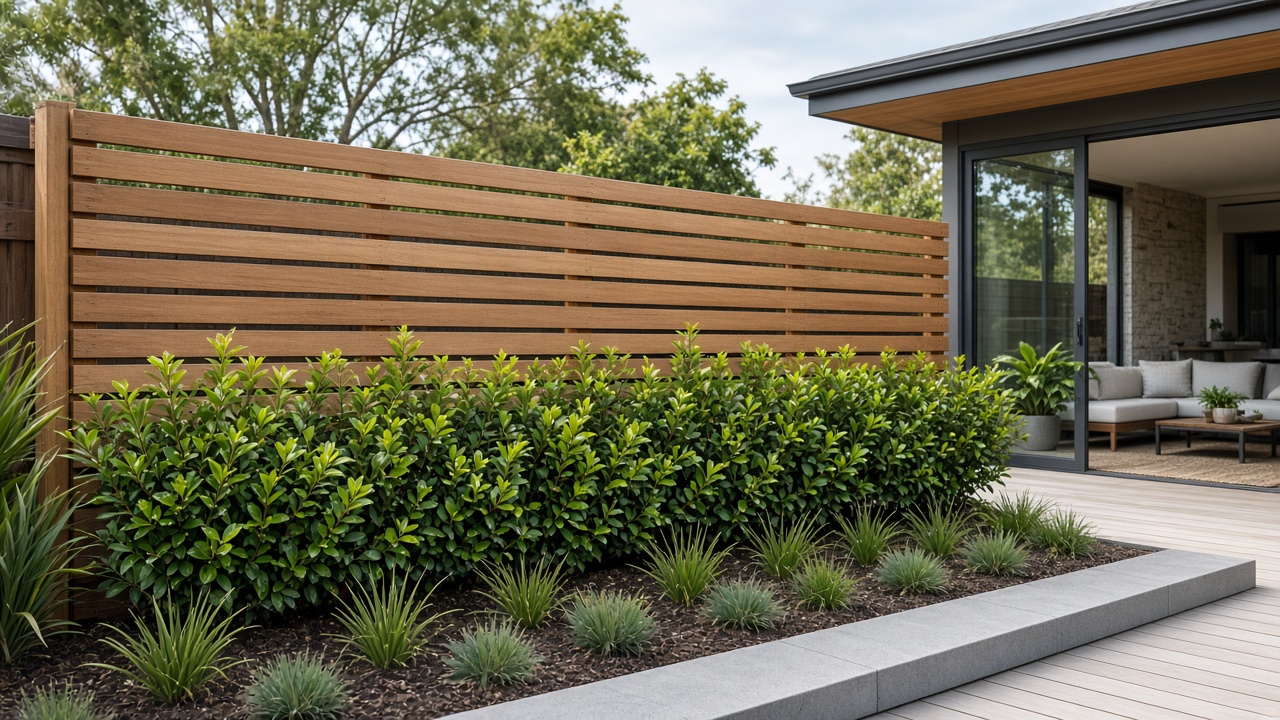
Garden privacy determines outdoor living comfort. Overlooked patios, exposed entertaining areas, and visible bedroom windows reduce property enjoyment whilst neighbours’ proximity feels intrusive. Yet privacy solutions vary dramatically in cost, maintenance, speed of establishment, and aesthetic appropriateness.
Choosing between fast-growing hedge plants, structural timber or metal screens, or combined approaches depends on budget, timeline, maintenance willingness, and desired aesthetic. Living hedges offer natural screening but require 2-4 years establishment and ongoing trimming. Structural screens deliver instant privacy at higher cost with zero maintenance. Mixed strategies balance benefits of both.
Understanding Australian plant options suited to your climate, DIY screen construction methods, and realistic costs helps you implement privacy solutions that actually work rather than expensive mistakes blocking light, creating maintenance burdens, or failing to screen effectively.
Privacy Needs Assessment
Identify what you’re screening before choosing solutions.
Common Privacy Priorities
Overlooked outdoor living areas:
- Neighbouring windows looking into patio
- Two-storey properties overlooking single-storey yards
- Close-proximity entertaining areas
- Pool surrounds visible from neighbours
Bedroom and bathroom windows:
- Ground-floor windows at boundary fences
- Direct sightlines from neighbours
- Privacy without blocking natural light
- Screening close to house
Street frontage:
- Busy roads or footpaths
- Front porch or courtyard privacy
- Soften streetscape without fortress appearance
- Balance privacy with neighbourhood connection
Service areas:
- Bins, clotheslines, pool equipment
- Utility zones visible from living areas
- Functional screening without grand hedge commitment
- Temporary or movable options sometimes suitable
Height and Coverage Considerations
Seated privacy (1.5-1.8m):
- Blocks sightlines when seated (dining, lounging)
- Lower screens maintain openness
- Appropriate for most patio screening
- Reduces overshadowing
Standing privacy (1.8-2.1m):
- Screens when standing
- Fence height equivalent
- More substantial screening
- Potential light reduction on small properties
Full screening (2.1m+):
- Blocks upper-storey views
- Creates enclosed feeling (positive or negative)
- May require council approval (over 2m often restricted)
- Shadows adjacent properties (neighbourhood relations consideration)
Partial screening:
- Strategic gaps maintain view/light
- Screens critical sightlines only
- Less imposing than full barrier
- Often more attractive than solid screening
Fast-Growing Hedge Plants
Living screens offer natural aesthetic but require patience and maintenance.
Popular Fast-Growing Australian Hedge Species
Lilly Pilly (Syzygium varieties):
Growth rate: Fast (1-2m per year when established)
Mature height: 2-4m (depending on variety, can be trimmed lower)
Best varieties:
- Syzygium ‘Resilience’ (compact, dense, pest-resistant)
- Syzygium australe ‘Select’ (fast growth, manageable)
- Acmena smithii (traditional choice, slightly slower)
Climate suitability:
- Melbourne and Peninsula: good to excellent
- Prefer moderate rainfall, tolerate coastal conditions
- Some varieties prone to psyllid (choose resistant varieties)
Maintenance:
- Trim 1-2 times per year
- Moderate water until established (then drought-tolerant)
- Fertilise spring
Cost (advanced stock):
- 200mm pots: $15-25 each (slower to establish)
- 300mm pots: $40-70 each (reasonable establishment speed)
- Instant hedge (1.5-2m): $200-400 per plant (immediate screening)
Spacing:
- 1-1.5m apart (200-300mm pots)
- Touching (instant hedge)
Pros:
- Dense evergreen foliage
- Attractive pink new growth (some varieties)
- Native bird attractant
- Fast establishment
Cons:
- Psyllid risk (some varieties)
- Requires regular trimming
- 2-3 years to effective screening from 300mm pots
- Moderate cost advanced stock
Coastal rosemary (Westringia fruticosa):
Growth rate: Moderate-fast (40-80cm per year)
Mature height: 1.5-2.5m (typically maintained 1.5-2m)
Climate suitability:
- Excellent Melbourne and Peninsula (native coastal plant)
- Outstanding salt and wind tolerance
- Drought-tolerant once established
- Suits exposed coastal properties
Maintenance:
- Trim 1-2 times per year (responds well to trimming)
- Very low water needs (established)
- Minimal fertiliser required
Cost:
- 200mm pots: $12-20 each
- 300mm pots: $30-50 each
Spacing:
- 80cm-1m apart (fills in reliably)
Pros:
- Excellent coastal performance
- Very low maintenance once established
- Native Australian plant
- Informal or formal hedges both achievable
- Budget-friendly
Cons:
- Slower than Lilly Pilly
- Lower maximum height (not suitable if screening 2.5m+ required)
- Less dense foliage than some alternatives
- 3-4 years to full screening from 300mm pots
Murraya (Murraya paniculata):
Growth rate: Fast (1-1.5m per year established)
Mature height: 2-4m (can be trimmed lower)
Climate suitability:
- Excellent Melbourne, good Peninsula
- Prefers protected positions (wind-exposed coastal sites challenging)
- Frost-tender when young (established plants hardy)
Maintenance:
- Trim 2-3 times per year (vigorous growth)
- Moderate water needs
- Fertilise spring/summer
Cost:
- 200mm pots: $15-25
- 300mm pots: $40-60
Spacing:
- 1m apart
Pros:
- Very fast growth
- Fragrant white flowers (attractive)
- Dense evergreen hedge
- Responds well to heavy trimming
Cons:
- High maintenance (frequent trimming required)
- Not ideal for exposed coastal sites
- Can become leggy without regular trimming
- Flowers drop (can be messy)
Screening bamboo (clumping varieties):
Growth rate: Very fast (1-2m per year)
Mature height: 3-8m (depending on variety)
Best varieties (clumping only):
- Bambusa textilis ‘Gracilis’ (narrow clumping, 5-8m)
- Bambusa multiplex ‘Alphonse Karr’ (compact, 3-4m)
- Fargesia species (cold-hardy, 3-4m)
CRITICAL: Only clumping bamboo (never running bamboo—invasive nightmare).
Climate suitability:
- Excellent Melbourne and Peninsula
- Wind-tolerant
- Handles coastal conditions
- Fast screening solution
Maintenance:
- Remove dead canes annually
- Thin clumps every 2-3 years
- Water regularly first two years (drought-tolerant once established)
Cost:
- 300mm pots: $50-90
- Advanced specimens (2-3m): $200-500
Spacing:
- 1.5-2m apart (faster screening closer, but expensive)
Pros:
- Fastest natural screening option
- Architectural aesthetic (modern or Asian garden styles)
- Excellent wind/salt tolerance
- Dense year-round foliage
Cons:
- Clumps expand over time (need space)
- Dead cane removal required
- Can look untidy without maintenance
- Running bamboo varieties catastrophic (never plant)
Viburnum varieties:
Growth rate: Moderate (50-80cm per year)
Mature height: 2-3m
Popular varieties:
- Viburnum odoratissimum (sweet viburnum)
- Viburnum tinus (laurustinus)
Climate suitability:
- Excellent Melbourne and Peninsula
- Handles frost, coastal conditions, full sun or part shade
- Very adaptable
Maintenance:
- Trim 1-2 times per year
- Low water once established
- Minimal fertiliser needs
Cost:
- 200mm pots: $15-25
- 300mm pots: $35-60
Spacing:
- 1-1.5m apart
Pros:
- Reliable performance
- Evergreen dense foliage
- Fragrant flowers (some varieties)
- Very hardy
Cons:
- Moderate growth (3-4 years to effective screening)
- Can be large (requires space or regular trimming)
- Less fashionable than native alternatives
Instant Hedge Options
Pre-grown hedge panels:
- 1.5-2m tall hedge in mobile troughs
- Craned into position
- Immediate screening
- Expensive ($200-500+ per linear metre)
Best for:
- Urgent privacy needs (selling property, immediate overlooking issue)
- Budget allows premium cost
- Impatient homeowners
- Formal gardens where instant result important
Limitations:
- Very expensive (10-20x cost of planting smaller stock)
- Established trimming regime required immediately
- Limited species availability
- Transport and crane costs significant
Hedge Establishment Timeline
From 200mm pots:
- Year 1: Plant, establish, minimal growth
- Year 2: Strong growth (50-120cm depending on species)
- Year 3: Functional screening (1.5-2m achievable for fast species)
- Year 4: Dense effective hedge
From 300mm pots:
- Year 1: Plant, establish, moderate growth
- Year 2: Good growth (80-150cm depending on species)
- Year 3: Effective screening (2m+ fast species)
Instant hedge:
- Day 1: Installed screening
Reality: Fast-growing hedge plants provide screening at lower cost than structural screens but require 2-4 years establishment from affordable pot sizes. Budget and timeline determine suitability.
DIY Timber Batten Screens
Structural screens provide instant privacy with zero maintenance.
Horizontal Batten Screen Design
Materials:
- Hardwood or treated pine battens (70x35mm or 90x35mm)
- H4 treated pine posts (90x90mm)
- Galvanised or stainless steel fixings
- Concrete for post footings
Design options:
Spacing:
- 20-50mm gaps between battens (typical)
- Wider gaps (50-75mm): partial screening, more light, modern aesthetic
- Narrower gaps (10-20mm): fuller privacy, less light, denser appearance
- Adjust spacing based on privacy vs light priorities
Pattern:
- Horizontal battens (most common, contemporary)
- Vertical battens (traditional, formal)
- Mixed horizontal/vertical (feature panel or pattern interest)
Height:
- 1.8m typical (fence height equivalent)
- 2.1m for higher screening (may require council approval)
- Lower sections (1.2-1.5m) for seated privacy only
Construction Method
Step 1: Set posts:
- 90x90mm posts every 2-2.4m
- Dig 500-600mm holes
- Set posts in concrete (40kg bag per post)
- Plumb and brace until concrete sets (24-48 hours)
- Posts extend to top of screen height
Step 2: Fix top and bottom rails:
- 90x45mm rails between posts (top and bottom)
- Coach screws or batten screws through rail into post
- Provides fixing for battens
- Optional mid-rail for extra rigidity (screens over 1.8m)
Step 3: Attach battens:
- Fix battens to top and bottom rails
- Galvanised batten screws or trim-head screws (concealed fixing)
- Spacers ensure consistent gaps (cut scrap timber to gap width)
- Work left to right, check level periodically
Step 4: Finish:
- Sand any rough edges
- Apply timber oil or stain (optional, enhances appearance and longevity)
- Clear coat option (low-maintenance alternative)
- Or leave natural to weather grey
Timber Options
Treated pine (H4):
- Cost-effective ($8-15 per linear metre battens)
- Requires painting/staining for aesthetic finish
- 15-25 year lifespan (coastal conditions, maintained)
- Budget-friendly option
Merbau (hardwood):
- Rich red-brown colour
- Weathers to silver-grey (attractive or oil to maintain colour)
- Durable (25-40 years coastal conditions)
- Moderate cost ($20-35 per linear metre battens)
Spotted gum (Australian hardwood):
- Pale to medium brown
- Excellent durability
- Weathers naturally or maintain with oil
- Moderate-high cost ($25-40 per linear metre battens)
Modwood/composite:
- Recycled plastic/timber composite
- Zero maintenance
- 25+ year lifespan
- Expensive ($40-80 per linear metre battens)
- Modern aesthetic
Cost Estimate (DIY Horizontal Batten Screen, 6m x 1.8m)
Materials:
- Posts (3x 90x90mm x 2.4m): $120
- Rails (12m of 90x45mm): $60
- Battens (70x35mm merbau, ~80 linear metres): $2,000
- Concrete (6x 40kg bags): $60
- Fixings: $80
- Total: ~$2,320 (merbau battens)
(Treated pine battens: ~$900 total) (Composite battens: ~$4,200 total)
Labour:
- Experienced DIY: 1-2 days (with helper)
- Professional installation: +$1,500-3,000
Professional cost (installed):
- Treated pine screen: $250-400 per linear metre
- Hardwood screen: $350-550 per linear metre
- Composite screen: $500-800 per linear metre
DIY savings: $1,500-3,000 for capable builders
Vertical Batten Variation
Same construction method:
- Posts and rails (horizontal top/bottom/mid)
- Battens fixed vertically instead of horizontally
- Slightly more battens required (vertical spans longer distance)
- Traditional aesthetic
Cost similar to horizontal:
- Materials comparable
- Labour slightly longer (more cuts, more battens)
Metal Privacy Screens
Durable, low-maintenance, contemporary aesthetic.
Laser-Cut Metal Panels
Characteristics:
- Aluminium or steel sheet (1-3mm thick)
- Decorative laser-cut patterns
- Powder-coated colours
- Modern aesthetic
Typical sizes:
- 600-1200mm wide panels
- 1800-2400mm high
- Custom sizes available (expensive)
Installation:
- Posts (steel or timber)
- Panels bolt to posts or slot into channels
- Professional installation recommended (heavy, precise alignment needed)
Cost:
- Budget panels: $150-300 per panel (mild steel, limited patterns)
- Mid-range: $300-600 per panel (aluminium, better patterns/quality)
- Premium: $600-1,500+ per panel (architectural grade, custom patterns)
- Installation: $500-1,500+ (depending on number of panels, site)
Pros:
- Zero maintenance (powder-coated aluminium)
- Lightweight (aluminium)
- Contemporary aesthetic
- Partial screening (patterns allow light/air)
- Durable (30+ years)
Cons:
- Expensive
- Industrial/modern aesthetic not suited to all gardens
- Partial privacy only (patterns create gaps)
- DIY installation challenging (precise alignment required)
Perforated Metal Sheets
Characteristics:
- Aluminium or steel sheet with small perforations
- Allows air/light whilst screening
- Plain or powder-coated finishes
- Commercial/modern aesthetic
Cost:
- Aluminium sheet (1-2mm): $100-250 per square metre
- Powder-coating: +$50-150 per square metre
- Frame and installation: variable
Best for:
- Modern architectural properties
- Balcony screening
- Commercial properties
- Budget constraints (plain aluminium cheapest metal option)
Limitations:
- Plain appearance (functional rather than decorative)
- Less “garden” aesthetic
- May require professional fabrication and installation
Corten Steel Screens
Characteristics:
- Weathering steel (develops rust patina)
- Modern architectural aesthetic
- Laser-cut patterns or plain sheets
- Expensive premium option
Cost:
- Panels: $500-2,000+ per panel
- Custom fabrication common (cost varies widely)
- Installation: professional recommended
Pros:
- Distinctive contemporary aesthetic
- Zero maintenance (rusted finish is final finish)
- Long lifespan (rusts to stable patina then stops)
- Architectural statement
Cons:
- Very expensive
- Rust runoff can stain paving (plan drainage)
- Industrial aesthetic not suited to traditional gardens
- Specialist fabrication/installation
Aluminium Slat Screens
Characteristics:
- Extruded aluminium horizontal or vertical slats
- Powder-coated colours (white, black, grey, monument common)
- Adjustable spacing
- Clean contemporary look
Cost:
- DIY kits: $200-400 per linear metre (1.8m high)
- Professional systems: $300-600+ per linear metre installed
- Premium brands: $500-1,000+ per linear metre
Pros:
- Clean modern aesthetic
- Zero maintenance
- Durable (25-40+ years)
- Variety of colours
- Suits modern homes, patios, pool fencing
Cons:
- Expensive
- Contemporary aesthetic only
- DIY installation possible but requires precision
- Horizontal slats accumulate debris (vertical slats better)
Combined Approaches
Mix structural screens and plants for balanced solutions.
Screen + Planting
Strategy:
- Structural screen (timber batten or metal) provides immediate privacy
- Plant hedge or screening plants in front or behind screen
- Plants soften structural appearance over time
- Screen remains permanent backdrop
Benefits:
- Immediate screening from structure
- Natural aesthetic develops as plants establish
- Plants soften hard screen edges
- Redundancy if plants fail or slow establishment
Example:
- Install timber batten screen 1.8m high
- Plant Lilly Pilly hedge 1m in front of screen (garden bed)
- Year 1-2: Screen provides privacy, plants establish
- Year 3+: Plants reach 1.5-2m, soften screen, add depth
Cost:
- Screen: $2,000-4,000 (6m x 1.8m)
- Plants (300mm pots, 6 plants at 1m spacing): $250-400
- Total: $2,250-4,400
- Result: Immediate privacy + natural aesthetic
Partial Screening
Strategy:
- Screen critical sightlines only (not entire boundary)
- Maintain openness and light elsewhere
- Targeted approach reduces cost
Best applications:
- Overlooked dining area (screen 3-4m section)
- Bedroom window privacy (small screen 1-2m wide)
- Pool surround corner (screen visible section only)
Benefits:
- Lower cost (less material/labour)
- Maintains garden openness
- Preserves light and airflow
- Less imposing than full boundary screening
Example:
- Patio overlooked by neighbour’s window
- Install 3m wide x 1.8m high screen (timber batten or metal)
- Positioned to block sightline whilst seated/standing
- Rest of garden remains open
- Cost: $800-1,500 (vs $3,000-6,000 for full boundary)
Layered Heights
Strategy:
- Vary screening heights across property
- High screens critical privacy areas
- Lower screens or plants elsewhere
- Creates visual interest and depth
Example:
- Main patio: 1.8m screen (standing privacy)
- Garden boundary: 1.2m hedge (defines without enclosing)
- Service area: 1.5m screen (functional screening)
Benefits:
- Avoids fortress appearance
- Light and air flow maintained
- Cost concentrated where privacy most valuable
- More attractive than uniform height screening
For broader outdoor privacy solutions including fence options and balcony screening, see our comprehensive guide on outdoor privacy screen ideas.
Maintenance Considerations
Ongoing requirements influence long-term suitability.
Hedge Maintenance
Trimming frequency:
- Fast-growing species (Murraya, bamboo): 2-3 times per year
- Moderate species (Lilly Pilly): 1-2 times per year
- Slow-growing species (Viburnum, Coastal rosemary): 1 time per year
Trimming cost:
- DIY: Hedge trimmer $150-400 (one-time), time commitment
- Professional: $150-400 per visit (depending on hedge length)
Annual cost (6m hedge):
- DIY: Negligible (time only)
- Professional: $300-1,200 per year (depending on frequency)
Watering:
- First 2 years: Regular watering essential (establishment)
- Established: Most species drought-tolerant (occasional deep water during extended dry)
Fertilising:
- Spring application native fertiliser
- Cost: $20-50 per year
Reality: Hedges require ongoing maintenance. Budget time or professional costs annually. Neglected hedges become leggy, overgrown, and lose effectiveness.
Structural Screen Maintenance
Timber screens:
- Hardwood natural weathering: Zero maintenance (grey patina develops)
- Hardwood maintained colour: Oil every 1-3 years ($100-300 materials, 1 day labour)
- Treated pine painted/stained: Repaint every 5-10 years ($200-600 materials, 2-3 days labour)
Metal screens:
- Aluminium powder-coated: Zero maintenance (hose off dust occasionally)
- Steel powder-coated: Zero maintenance (check for chips, touch up if needed)
- Corten steel: Zero maintenance (rusted patina is final finish)
Long-term costs:
- Timber (natural weathering): $0-100 per decade
- Timber (maintained finish): $300-1,000 per decade
- Metal: $0-50 per decade
Reality: Metal screens lowest maintenance. Hardwood screens low maintenance if accepting natural weathering. Treated pine screens higher maintenance (periodic repainting).
Cost Comparison Summary
6 metre x 1.8m screening (typical patio privacy):
Living hedge (Lilly Pilly, 300mm pots, 1m spacing):
- Materials: $350-500 (6 plants, soil, mulch)
- DIY installation: 1 day
- Professional planting: +$300-600
- Total: $350-1,100
- Effective screening: 3-4 years
- Maintenance: Moderate (annual trimming)
Instant hedge:
- Supply and install: $1,500-3,500
- Total: $1,500-3,500
- Effective screening: Immediate
- Maintenance: Moderate (annual trimming)
DIY timber batten screen (treated pine):
- Materials: $700-1,000
- DIY installation: 1-2 days
- Total: $700-1,000
- Effective screening: Immediate
- Maintenance: Moderate (repaint every 5-10 years)
DIY timber batten screen (hardwood):
- Materials: $2,000-2,800
- DIY installation: 1-2 days
- Total: $2,000-2,800
- Effective screening: Immediate
- Maintenance: Low (optional oiling, or weather naturally)
Professional timber batten screen:
- Treated pine: $1,500-2,500 installed
- Hardwood: $2,100-3,500 installed
- Composite: $3,000-5,000 installed
Metal screen panels:
- Budget panels (DIY possible): $1,200-2,500
- Mid-range (professional install): $2,500-4,500
- Premium/architectural: $4,000-10,000+
Reality: Living hedges cheapest upfront but require patience (3-4 years) and ongoing maintenance. DIY timber screens deliver immediate results at moderate cost. Metal screens premium option for zero-maintenance longevity.
Council Regulations and Permits
Check requirements before building.
Typical Height Limits (Victoria)
Without permit (general guide):
- Front setback: 1.2m maximum
- Side/rear boundary: 2m maximum
- Check your council’s specific rules (varies)
Permit required when:
- Exceeding height limits
- On boundary (some councils restrict)
- Heritage overlays
- Within easements
Consequences of non-compliance:
- Council enforcement (remove structure)
- Fines
- Neighbour disputes
- Insurance issues if structure causes damage
Always check: Contact council planning department before building screens over 1.8m or within front setbacks. Rules vary significantly between councils.
Final Thoughts
Garden privacy screening suits diverse solutions: fast-growing hedge plants for natural aesthetic at lower cost, DIY timber batten screens for immediate privacy and character, or zero-maintenance metal screens for contemporary properties prioritising longevity. Choosing appropriate methods depends on budget, timeline, maintenance willingness, and aesthetic preferences.
Choose living hedges when:
- Budget constrained (small advanced stock affordable)
- Natural aesthetic priority
- Comfortable with 2-4 year establishment time
- Willing to trim 1-2 times per year
- Garden style suits plants over structures
Best species Melbourne and Peninsula:
- Lilly Pilly (fast, dense, Australian native)
- Coastal Rosemary (excellent coastal tolerance, low maintenance)
- Viburnum (reliable, hardy, moderate growth)
- Clumping bamboo (fastest screening, architectural)
Choose structural screens when:
- Immediate privacy required
- Low/zero maintenance preference
- Contemporary aesthetic suits property
- Budget allows ($1,500-5,000+ typical 6m screen)
- Structural interest desired
Best structural options:
- DIY timber batten (most cost-effective immediate solution)
- Aluminium slat screens (zero maintenance, modern)
- Laser-cut metal panels (decorative, durable)
Combine approaches when:
- Want immediate screening with natural softening over time
- Partial structural screen + plant screening other areas
- Layered heights create visual interest
- Budget split between immediate function and long-term aesthetic
Melbourne and Peninsula considerations:
- Salt-tolerant species essential coastal properties (Coastal Rosemary excellent)
- Wind-exposed sites need hardy species (bamboo, Coastal Rosemary)
- Clay soil drainage affects plant health (improve drainage before planting)
- Coastal timber screens need hardwood or regular maintenance (salt accelerates deterioration)
Differentiation from existing outdoor privacy screen guide: This article focuses specifically on garden screening (hedge plants vs structural options), whilst our broader outdoor privacy guide covers fence screening, balcony privacy, temporary options, and comprehensive privacy strategies across entire properties. Use both resources for complete privacy solutions.
Realistic expectations:
Timeline:
- Structural screens: Immediate privacy
- Hedge from 300mm pots: 2-3 years functional, 3-4 years dense
- Instant hedge: Immediate privacy
Cost (6m x 1.8m typical screening):
- DIY hedge (small stock): $350-600
- DIY timber screen: $700-2,800 (depending on timber choice)
- Professional timber screen: $1,500-3,500
- Metal screens: $2,000-10,000+ (wide range)
Maintenance:
- Hedges: Annual trimming, watering until established
- Timber screens: Optional oiling (hardwood) or repaint 5-10 years (treated pine)
- Metal screens: Virtually zero maintenance
Best value: For immediate budget-conscious privacy, DIY treated pine batten screen delivers functional screening at lowest cost ($700-1,000). For natural aesthetic with patience, Lilly Pilly or Coastal Rosemary hedge from 300mm pots provides screening within 3 years at $350-600. For premium zero-maintenance longevity, powder-coated aluminium screens eliminate ongoing costs despite $3,000-6,000 upfront investment.
Mixed strategy recommendation: Plant hedge along boundaries (long-term natural screening, lower height acceptable) plus install structural screen 3-4m wide at critical overlooked area (immediate targeted privacy). Total cost $1,200-2,500 delivers immediate privacy where essential whilst establishing natural boundary screening that matures over 3-4 years. This balanced approach concentrates budget on immediate needs whilst planting long-term solutions elsewhere.
Garden privacy requires site-specific solutions matching your timeline, budget, maintenance capacity, and aesthetic preferences. Honest assessment of these priorities guides selection between living hedges, structural screens, or combined strategies delivering privacy that enhances rather than dominates your outdoor living spaces.
Need a Hand?
Expert hedge trimming, pruning, and garden maintenance. Get a quote from our trusted Peninsula partners.
Contact Peninsula Hard Yards →Disclosure: We share links to related local services that serve our readers in the Peninsula area.