Timber vs Composite Decking for Melbourne
Compare timber and composite decking for Melbourne homes. Understand cost differences, maintenance requirements, lifespan expectations, and how Melbourne's climate affects both materials to choose the right decking for your outdoor living space.
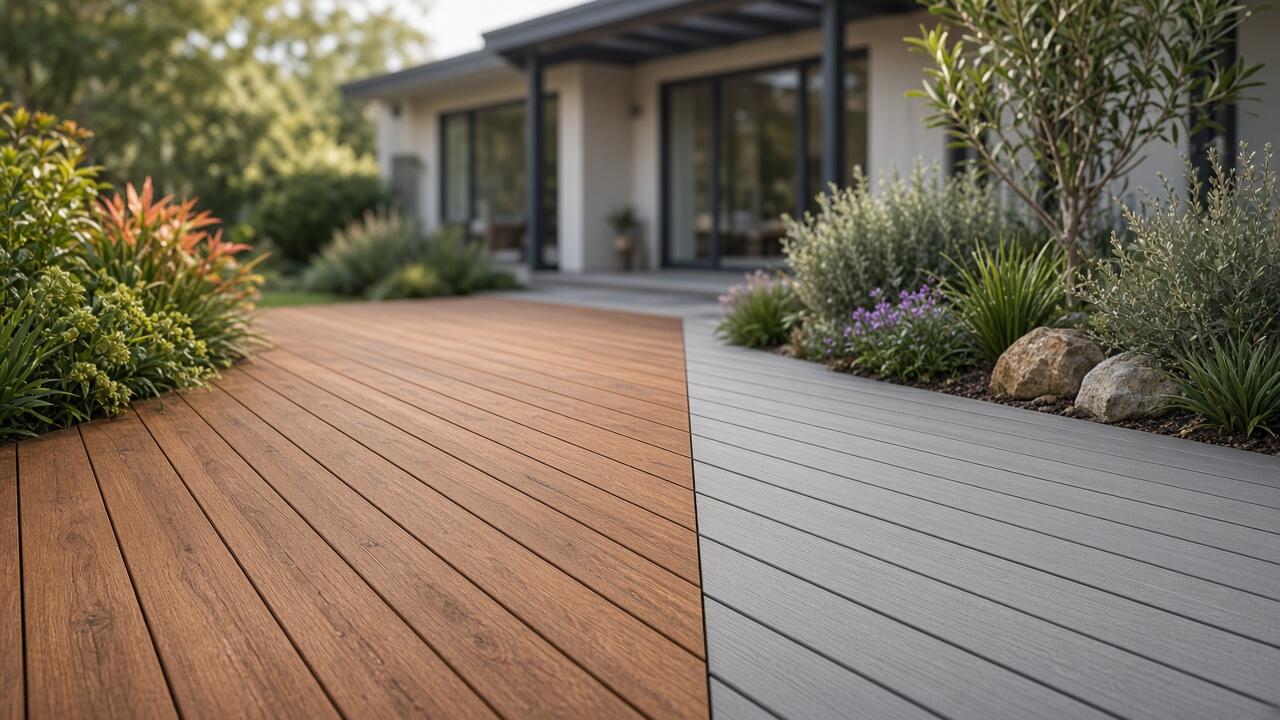
Melbourne homeowners planning new decks or replacing tired timber boards face a fundamental material choice: traditional hardwood or treated pine timber versus modern composite decking. Each option delivers distinct trade-offs in upfront cost, ongoing maintenance, longevity, aesthetics, and performance under Melbourne’s variable weather conditions.
Composite decking promises minimal maintenance and long lifespan, eliminating concerns about splinters, rot, and annual oiling. Yet premium composites cost significantly more upfront, and early-generation products earned mixed reputations for fading, heat retention, and plastic appearance that alienated homeowners expecting natural timber aesthetics.
Timber decking delivers authentic warmth and proven performance across decades of Australian outdoor living, but demands regular maintenance, accepts weathering and potential splinters, and faces replacement sooner than composites in harsh exposure conditions.
Understanding how each material performs specifically under Melbourne sun and rain, realistic cost comparisons including maintenance, and honest assessment of when each option makes practical sense helps property owners choose decking materials aligned with budget, lifestyle, and long-term property plans.
Timber Decking: Types and Characteristics
Not all timber decking performs equally under Melbourne conditions.
Hardwood Decking
Common species:
- Spotted Gum: dense, durable, natural termite resistance
- Ironbark: extremely hard, long-lasting, pale yellow to red-brown
- Merbau: rich red-brown, affordable hardwood, moderate durability
- Blackbutt: pale honey tones, good durability, versatile
- Jarrah: deep red, Western Australian hardwood, premium option
Characteristics:
- Natural grain patterns and colour variation
- Dense, strong, durable
- Naturally resistant to decay and termites (varies by species)
- Weathers to silver-grey without treatment
- 20-40+ year lifespan typical with maintenance
- Premium aesthetic appeal
Cost (materials):
- $65-120 per square metre (varies by species and grade)
- Premium species (Ironbark, Jarrah): $90-120+ per square metre
- Mid-range species (Spotted Gum, Blackbutt): $70-90 per square metre
- Budget hardwood (Merbau): $65-80 per square metre
- Sustainable Australian hardwood increasingly expensive
Maintenance requirements:
- Annual or biennial oiling (maintain colour, prevent drying)
- Without oil: weathers to silver-grey patina
- Periodic cleaning (remove debris, prevent mould)
- Tannin bleeding (Merbau particularly prone)
- Minimal structural maintenance if properly installed
- Accepts weathering gracefully
Best for:
- Traditional Australian aesthetic
- Long-term property ownership
- Coastal environments (natural decay resistance)
- Bushfire zones (lower BAL ratings than composites)
- Budget-conscious premium decking (cheaper than high-end composites)
Treated Pine Decking
What it is:
- Softwood (radiata pine) pressure-treated with preservatives
- Chemical treatment prevents decay and termite attack
- Lighter, softer timber than hardwoods
- Requires painting or staining (not naturally durable)
- Budget decking option
Characteristics:
- Pale yellow-green colour (from treatment chemicals)
- Softer surface (dents and scratches more easily)
- Must be sealed/painted (chemical treatment alone insufficient for weather)
- 10-20 year lifespan typical
- Budget-friendly upfront cost
- Requires more maintenance than hardwoods
Cost (materials):
- $30-50 per square metre
- Significant savings over hardwood
- Ongoing finishing costs (paint, stain)
- Shorter lifespan offsets initial savings
Maintenance requirements:
- Must be sealed/painted within months of installation
- Repainting/restaining every 2-3 years
- Higher ongoing maintenance than hardwood
- Surface damage from furniture and traffic
- Acceptable for low-budget projects accepting maintenance commitment
Best for:
- Tight budgets (accepting maintenance trade-off)
- Rental properties (short-term ownership horizon)
- Covered decks (reduced weather exposure)
- Temporary or interim decking
- DIY-friendly projects (easier to work than dense hardwoods)
Reality check: Most Melbourne homeowners building quality decks choose hardwood over treated pine. Initial savings eroded by painting costs and shorter lifespan. Reserve treated pine for budget-critical projects or covered applications where weather exposure minimised.
For broader deck planning guidance including layout and design, see our guide on deck ideas for Australian homes.
Composite Decking: Modern Alternative
Composite decking evolved significantly from early-generation products plagued by fading, warping, and disappointing performance.
What Composite Decking Is
Composition:
- Wood fibre (sawdust, recycled wood) mixed with plastic polymers
- Typically 50-70% wood fibre, 30-50% plastic (varies by product)
- Extruded into boards mimicking timber dimensions
- Protective cap layer on premium products (reduces fading and staining)
- Manufactured in consistent colours and patterns
Common brands (Australian market):
- Trex: US brand, widely available, established reputation
- TimberTech: premium composite, capped boards
- NewTechWood: mid-range option, good colour range
- ModWood: Australian brand, local manufacturing
- Ekodeck: budget composite, variable reviews
- Millboard: ultra-premium moulded composite (faux-timber texture)
Characteristics:
- No splinters (safe for bare feet)
- Consistent colour and appearance (no natural variation)
- Low maintenance (no oiling required)
- Fade-resistant (premium capped products)
- 25-50 year manufacturer warranties typical
- Contemporary aesthetic (some products very plastic-looking)
Composite Grades and Quality
Budget composites ($75-110 per square metre):
- Uncapped boards (porous surface)
- Higher fading risk
- Can absorb moisture and stain
- Shorter warranties (10-15 years)
- Acceptable for covered applications
- Save money but compromise performance
Mid-range capped composites ($110-160 per square metre):
- Plastic cap layer protects wood-fibre core
- Better fade resistance
- Stain-resistant surface
- 20-30 year warranties
- Good performance-to-cost ratio
- Most popular category
Premium composites ($160-220+ per square metre):
- Advanced capping technology
- Excellent colour retention
- Best stain and moisture resistance
- Realistic timber appearance (better moulding and colouring)
- 30-50 year warranties
- Justifies premium for high-exposure applications
Critical distinction: Capped vs uncapped composite boards drastically affects performance. Uncapped boards absorb moisture, stain, and fade faster. Premium products worth extra cost for full-sun exposed decks. Budget composites acceptable only for covered or shaded applications.
Cost Comparison: Upfront and Long-Term
Realistic total cost includes materials, installation, and ongoing maintenance over ownership period.
Upfront Costs (typical 20 square metre deck)
Treated pine:
- Materials: $600-1,000
- Installation: $2,000-3,500
- Sealing/staining: $300-500
- Total: $2,900-5,000
Hardwood (mid-range like Spotted Gum):
- Materials: $1,400-1,800
- Installation: $2,500-4,000
- Initial oiling: $200-400
- Total: $4,100-6,200
Budget composite:
- Materials: $1,500-2,200
- Installation: $2,500-4,000
- No finishing required
- Total: $4,000-6,200
Premium composite:
- Materials: $3,200-4,400
- Installation: $2,500-4,000
- No finishing required
- Total: $5,700-8,400
Upfront reality: Premium composites cost $1,600-3,400 more than hardwood timber for typical residential deck (20 square metres). Hardwood and budget composites similar upfront cost. Treated pine cheapest initially but demands immediate finishing and ongoing maintenance investment.
Long-Term Maintenance Costs (20 years)
Treated pine:
- Repainting/staining (every 2-3 years): $400-600 per application x 8 applications = $3,200-4,800
- Repairs (rot, board replacement): $500-1,500
- Total 20-year maintenance: $3,700-6,300
Hardwood:
- Oiling (every 1-2 years): $200-400 per application x 12 applications = $2,400-4,800
- Optional (can accept grey weathering): $0 if left natural
- Repairs minimal: $200-500
- Total 20-year maintenance: $2,600-5,300 (or $200-500 if not oiled)
Composite:
- Periodic cleaning: $100-300 (occasional pressure wash)
- Repairs minimal: $100-300
- Total 20-year maintenance: $200-600
Long-term cost advantage: Composite decking saves $2,400-5,700 in maintenance over 20 years compared to oiled hardwood, and $3,500-5,700 compared to treated pine. For homeowners valuing time and convenience, maintenance savings justify higher upfront composite cost.
However, hardwood left to weather naturally (accepting silver-grey patina) reduces maintenance to minimal cleaning, nearly matching composite convenience whilst retaining authentic timber aesthetic at lower upfront cost.
Total Cost of Ownership (20 years)
Treated pine:
- Upfront + maintenance: $6,600-11,300
- Likely requires replacement before 20 years
- Highest total cost despite lowest initial investment
Hardwood (with maintenance):
- Upfront + maintenance: $6,700-11,500
- Likely still functional at 20 years (may continue decades longer)
- Mid-range total cost, authentic aesthetic
Hardwood (weathered natural):
- Upfront + minimal maintenance: $4,300-6,700
- Lowest total cost for quality decking
- Accepts silver-grey weathered appearance
Composite (premium):
- Upfront + maintenance: $5,900-9,000
- Virtually maintenance-free, excellent condition at 20 years
- Mid-range total cost, minimal effort
Value analysis: Over 20-year ownership, total costs converge between quality options. Premium composite justifies higher upfront cost through maintenance savings. Naturally-weathered hardwood delivers lowest total cost for homeowners accepting grey patina. Treated pine false economy unless replacement planned within 10-15 years.
Melbourne Climate Considerations
Melbourne’s weather patterns affect material performance.
Sun Exposure and Fading
Composite decking:
- Uncapped composites fade significantly (particularly browns and reds)
- Capped premium composites resist fading well
- Lighter colours show less fading than dark colours
- Heat retention issue (bare feet uncomfortable on hot days)
- Full sun decks require premium composite to avoid disappointing fading
Hardwood:
- All timber weathers to grey-silver without oil maintenance
- Oiling maintains original colour (requires commitment)
- Natural weathering uniform and attractive (not “fading” but patina)
- Cooler underfoot than composite in full sun
- Accepts Melbourne sun gracefully with or without maintenance
Shaded decks:
- Both materials perform well
- Composite fading minimal in shade
- Hardwood weathering slower
- Heat retention non-issue
- Material choice based on other priorities
Wet Weather and Moisture
Composite concerns:
- Can absorb moisture (particularly uncapped products)
- May expand/contract with moisture changes
- Some products grow mould in persistent shade and damp
- Slippery when wet (some products worse than others)
- Quality varies significantly between brands
Hardwood performance:
- Naturally resistant to moisture (dense structure)
- Tannin bleeding after rain (Merbau particularly, fades over time)
- Minimal expansion/contraction (properly dried timber)
- Good grip when wet (natural texture)
- Proven Melbourne weather performance over decades
Peninsula coastal environment:
- Salt air, high humidity, frequent rain
- Hardwood proven performer (especially naturally durable species)
- Composite long-term performance less established in harsh coastal conditions
- Both options viable but hardwood historically reliable
- Premium capped composite essential if choosing composite coastal
Temperature Extremes
Summer heat:
- Composite becomes very hot in full sun (barefoot uncomfortable)
- Lighter composite colours cooler than dark
- Hardwood warmer than concrete but cooler than composite
- Heat retention significant consideration north-facing decks
- Practical impact: limits deck usability hot days
Winter cold:
- Both materials similar performance
- Hardwood slightly warmer feel
- Neither material problematic winter conditions
- Non-issue Melbourne climate
Thermal expansion:
- Composite expands/contracts more than hardwood with temperature
- Requires proper gap spacing during installation
- Installer experience critical (incorrect spacing causes buckling)
- Hardwood more forgiving installation mistakes
Splinters vs Fading: The Trade-Off
Two primary concerns drive material choice beyond cost.
Splinter Reality
Hardwood splinters:
- Hard, dense timber rarely splinters (quality boards)
- Old weathered timber more prone to splintering
- Proper maintenance reduces splinter risk
- New hardwood decking minimal splinter concern
- Occasional sanding high-traffic areas maintains smoothness
- Practical concern overstated for quality hardwood
Treated pine splinters:
- Softwood more prone to splintering
- Painted surface chips expose splinter risk
- Higher concern than hardwood
- Regular maintenance reduces issue
Composite splinter-free:
- Genuine advantage for young families (bare feet)
- Plastic surface eliminates splinter risk entirely
- Premium composite surfaces smooth and comfortable
- Peace of mind for safety-conscious parents
When splinter concern decisive: Young children playing barefoot, elderly users, accessibility requirements. Otherwise splinter concern minimal with quality hardwood properly maintained.
Fade and Appearance Over Time
Composite appearance evolution:
- Budget uncapped: significant fading (disappointing 3-5 years)
- Premium capped: minimal fading (excellent 10-15 year colour retention)
- Plastic appearance persists (never looks like timber close-up)
- Uniform boards (no natural variation)
- Modern contemporary aesthetic
Hardwood appearance evolution:
- Maintained with oil: retains rich timber tones indefinitely
- Left natural: weathers to beautiful silver-grey patina over 1-3 years
- Natural grain and character enhances with age
- Authentic timber aesthetic throughout life
- Classic Australian outdoor aesthetic
Aesthetic preference: Subjective decision. Composite suits contemporary homes, minimal maintenance priorities, consistent appearance preference. Hardwood suits traditional homes, natural material preference, accepting weathered character.
Realistic expectation: Premium composite maintains appearance better than budget composite (critical distinction). Quality hardwood accepts weathering as feature rather than failure. Both options deliver long-term satisfaction if expectations aligned with material characteristics.
When Each Material Wins
Strategic material choice depends on specific circumstances.
Choose Hardwood When:
Budget limited but quality desired:
- Hardwood competitive with mid-range composite
- Weathered natural hardwood lowest total ownership cost
- Quality deck without premium composite expense
Traditional or heritage home:
- Authentic timber aesthetic suits period properties
- Composite plastic appearance clashes with heritage character
- Natural materials align with architectural style
Bushfire-prone areas:
- Hardwood achieves lower BAL ratings than composite
- Essential consideration bushfire zones
- May determine material choice by regulation
Long-term property ownership:
- 30-40+ year hardwood lifespan justifies investment
- Maintenance acceptable (periodic oiling manageable)
- Authentic aesthetic appreciated over decades
Coastal environment:
- Proven performance harsh salt air and weather
- Naturally durable species excel coastal conditions
- Less unknown risk than composite long-term coastal
Preference for natural materials:
- Warmth, texture, character of real timber
- Connection to natural materials
- Accepts weathering and patina as features
Choose Composite When:
Maintenance avoidance priority:
- No annual oiling requirement
- Minimal ongoing effort (occasional cleaning only)
- Time-poor homeowners or investment properties
Young children and safety concern:
- Splinter-free surface
- Peace of mind for bare feet
- Safety outweighs other considerations
Contemporary home aesthetic:
- Modern clean lines suit composite appearance
- Consistent uniform surface desired
- Architectural style aligns with manufactured materials
Full sun exposure:
- Premium capped composite resists fading
- Heat retention manageable (lighter colours, partial shade)
- Hardwood oiling commitment unwanted
Short-medium term ownership (10-20 years):
- Composite warranty coverage throughout ownership
- Zero maintenance period maximises convenience
- Plan to sell before material reaches end-life
Investment or rental property:
- Tenants won’t maintain timber properly
- Set-and-forget material eliminates ongoing costs
- Professional appearance throughout tenancy
When planning outdoor living spaces beyond the deck itself, see our guide on outdoor living ideas for Peninsula climate.
Installation Considerations
DIY vs Professional
Hardwood installation:
- Moderate difficulty (experienced DIY achievable)
- Requires proper joists and framing
- Hidden fasteners recommended (clean appearance)
- Mitre saw and drilling essential
- Dense hardwood hard on tools
Composite installation:
- Similar difficulty to timber
- Critical: correct gap spacing (thermal expansion)
- Manufacturer instructions must be followed precisely
- Specialised fastening systems
- Mistakes more visible than timber (can’t sand/refinish)
Professional installation recommended:
- Both materials benefit from experienced installer
- Proper framing critical (particularly for composite)
- Building regulations and permits
- Structural engineering for elevated decks
- Warranty may require professional installation (composite)
Installation costs similar: Both materials $2,500-4,000 labour for typical 20 square metre deck. Composite slightly higher (precision spacing requirements) but difference minor.
Material Selection Tips
Hardwood shopping:
- Select boards in person if possible (colour variation)
- Choose straight boards (sight down length)
- Check for large knots or defects
- Allow timber to acclimatise (reduce movement)
- Buy Australian sustainable hardwood where possible
Composite shopping:
- Demand premium capped product for sun-exposed decks
- View samples outdoors in sunlight (showroom lighting misleading)
- Check actual product reviews (early-generation products poor reputation)
- Verify warranty terms and exclusions
- Consider heat retention testing (touch samples on hot day)
When selecting decking materials for projects alongside other hardscaping, sourcing through experienced landscape suppliers who stock quality timber and composite options helps avoid common material selection mistakes. Peninsula Hard Yards supplies timber and composite decking materials for Peninsula projects and can discuss product suitability for specific applications and exposure conditions. Discussing your deck’s sun exposure, maintenance preferences, and aesthetic priorities with knowledgeable suppliers prevents costly mismatches between material choice and long-term expectations.
Final Thoughts
Timber versus composite decking choice for Melbourne homes depends on balancing upfront cost, maintenance commitment, aesthetic preferences, and specific site conditions rather than one material universally outperforming the other.
Hardwood timber wins when:
- Budget moderate (hardwood competitive with mid-range composite)
- Traditional aesthetic valued (authentic timber character)
- Maintenance acceptable (annual oiling manageable, or natural weathering embraced)
- Bushfire zones (lower BAL ratings)
- Coastal proven performance (naturally durable species)
- Long-term ownership (30-40+ year lifespan justifies investment)
Premium composite wins when:
- Maintenance avoidance priority (no oiling required)
- Young children safety concern (splinter-free surface)
- Contemporary aesthetic suits property style
- Investment/rental property (tenants won’t maintain timber)
- Medium-term ownership (10-20 year warranty coverage)
Cost reality over 20 years:
- Naturally weathered hardwood: $4,300-6,700 total (lowest cost, accepts grey patina)
- Maintained hardwood: $6,700-11,500 total (mid-range, retains timber colour)
- Premium composite: $5,900-9,000 total (mid-range, minimal maintenance)
- Treated pine: $6,600-11,300+ total (highest cost including maintenance, shortest lifespan)
Melbourne climate considerations: Both materials perform well under Melbourne conditions with proper installation. Composite heat retention significant full-sun north-facing decks (uncomfortable bare feet hot summer days). Hardwood proven coastal performer (naturally durable species). Premium capped composite essential sun-exposed applications (budget composites fade disappointingly).
Maintenance commitment: Hardwood requires annual or biennial oiling to maintain colour (2-4 hours labour for typical deck, $200-400 professional). Alternatively, accept natural silver-grey weathering (minimal maintenance, authentic Australian aesthetic). Composite requires only occasional cleaning (pressure wash annually or less).
Aesthetic truth: Hardwood delivers authentic timber warmth and character. Composite never completely replicates real timber close-up, regardless of marketing claims. Contemporary homes suit composite’s consistent appearance; traditional homes suit hardwood’s natural variation and weathering.
Strategic choice: Choose materials aligned with property style, maintenance capacity, and ownership timeline. Hardwood excels long-term ownership with maintenance acceptance or natural weathering preference. Premium composite excels maintenance avoidance priorities and contemporary aesthetics. Budget composites disappoint sun-exposed applications. Treated pine false economy except budget-critical covered applications.
Quality matters more than material category: Premium composite outperforms budget composite dramatically. Quality hardwood (Spotted Gum, Ironbark, Blackbutt) outperforms treated pine significantly. Material quality within category more important than timber vs composite distinction for long-term satisfaction.
Melbourne homeowners planning deck projects benefit from realistic assessment of maintenance willingness, aesthetic priorities, budget constraints, and site-specific conditions to choose between proven timber performance and modern composite convenience. Both materials deliver successful long-term outcomes when expectations align with material characteristics and proper installation ensures structural and finish quality meets manufacturer specifications and Australian building standards.
Need a Hand?
Professional lawn and garden services when you need them. Get a quote from our trusted Peninsula partners.
Contact Mowing Magic or Peninsula Hard Yards →Disclosure: We share links to related local services that serve our readers in the Peninsula area.