Outdoor Living Ideas for Peninsula Climate
Design outdoor living spaces that actually work on the Mornington Peninsula. Wind protection, sun-shade balance, winter use strategies, and connecting indoor-outdoor for coastal conditions and variable seasons.
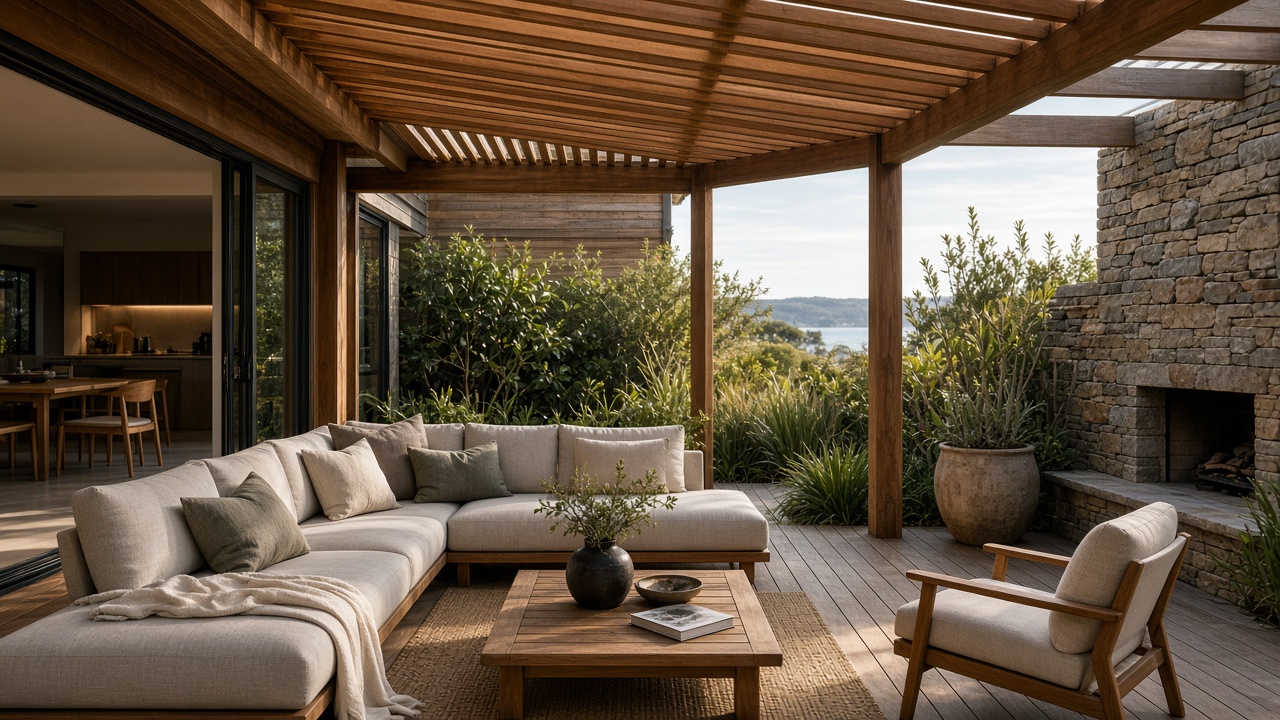
The Mornington Peninsula’s coastal climate offers unique outdoor living opportunities—and specific challenges that generic patio designs ignore. Wind, salt exposure, seasonal temperature swings, intense summer sun, and winter chill all shape how outdoor spaces actually perform once built.
Successful Peninsula outdoor living design responds to these conditions: wind protection without creating wind tunnels, sun access for winter warmth balanced against summer shade needs, durable materials handling coastal exposure, and flexible spaces extending comfortable outdoor seasons beyond brief summer weeks.
Understanding how Peninsula climate shapes outdoor living helps you create spaces that genuinely get used year-round rather than expensive patios abandoned whenever wind picks up or summer sun beats down.
Peninsula Climate Realities
Coastal conditions aren’t just “Melbourne by the beach.”
Wind Challenges
Prevailing winds:
- Strong south-westerly winds common
- Coastal properties exposed to sea breeze
- Wind funnels through property gaps
- Elevated sites particularly affected
- Northern Peninsula suburbs (Mount Eliza, Mount Martha) less exposed than southern coast
Wind impacts outdoor living:
- Unprotected patios unusable on windy days
- Dining uncomfortable (papers, napkins, glasses blow)
- Heat loss significant (feels 5-10°C colder)
- Furniture blown around
- Entertaining limited to calm days only
Design response essential:
- Wind protection structured into design
- Screening, walls, hedge plantings
- Protected courtyard or enclosed patio approaches
- Flexible wind barriers (retractable screens)
- Elevation and orientation consideration
Seasonal Temperature Swings
Summer (December-February):
- Hot days 25-35°C common
- Occasional 38-40°C+ heatwaves
- Intense UV exposure
- North and west sun brutal without shade
- Sea breeze moderates coastal areas afternoon/evening
Winter (June-August):
- Daytime 10-15°C typical
- Mornings/evenings 5-10°C
- Sunny winter days pleasant (north-facing sun valuable)
- Coastal chill biting on overcast/windy days
- Frost possible inland Peninsula (Moorooduc, Red Hill)
Shoulder seasons:
- Spring/autumn mild (15-22°C)
- Most comfortable outdoor living periods
- Longer useful season than extreme climates
- Design for shoulder season use extends value
Design implications:
- Sun access critical for winter use
- Shade essential for summer comfort
- Flexible spaces adapt to seasons
- Wind protection more valuable than Melbourne metro
- Heating options extend season significantly
Coastal Salt Exposure
Materials matter:
- Salt accelerates corrosion on metals
- Coastal furniture must suit salt exposure
- Timber requires regular maintenance or natural weathering acceptance
- Marine-grade fixings essential
- Paint/finishes degrade faster
Planting considerations:
- Salt-tolerant species essential for coastal properties
- Native coastal plants (coast rosemary, coast banksia, coast wattle)
- Wind-tolerant species double duty
- Established shelter planting protects garden
- Screening and hedging must handle salt/wind
Rainfall and Drainage
Peninsula rainfall:
- 650-750mm annual average (moderate)
- Winter-dominant (May-October)
- Summer dry (December-February)
- Intense downpours common
- Clay soil drainage challenges
Outdoor living impacts:
- Roof/cover extends usability wet days
- Drainage away from outdoor living areas essential
- Wet season outdoor furniture storage consideration
- Covered entertaining valuable Melbourne’s unpredictable weather
- All-weather access paths prevent mud tracking
For drainage solutions on challenging Peninsula clay soil, see our guide on garden drainage fixes for wet Victorian yards.
Wind Protection Strategies
Wind control determines outdoor living success on Peninsula properties.
Solid Wind Barriers
Masonry walls:
- Most effective wind protection
- Creates sheltered microclimate
- Permanent, low-maintenance solution
- Privacy bonus
- Expensive but effective
Best applications:
- Courtyard walls (three sides protected)
- Boundary walls (block prevailing wind direction)
- Retaining walls incorporating seating/planter functions
- Formal entertaining areas
- High-wind exposure sites
Limitations:
- Expensive ($300-600+ per linear metre)
- Can create wind turbulence (wind lifts over wall, drops on other side)
- Requires proper engineering (wind load)
- Permanent (inflexible once built)
- May overshadow garden if too tall
Design considerations:
- 1.8-2.1m height effective (taller may require engineering)
- Curved or angled walls reduce turbulence
- Gaps at ground level reduce wind pressure
- Multiple lower barriers better than single tall wall
- Combine with planting for natural appearance
Flexible Wind Screens
Café blinds/PVC clear blinds:
- Retractable protection
- Maintain views when not needed
- Allow sun through whilst blocking wind
- Popular Peninsula solution
- Moderate cost ($2,000-6,000 typical installation)
Best applications:
- Pergola sides
- Verandah edges
- Alfresco dining areas
- Protection when entertaining
- Roll up on calm days
Limitations:
- Require maintenance (zips, tracks, PVC aging)
- PVC clouds over time (3-10 years typical)
- Not as effective as solid walls
- Can feel enclosed/plastic
- Periodic replacement needed
Alternative flexible screens:
- Outdoor roller blinds (mesh or solid)
- Retractable shade/wind screens
- Zipscreen systems
- Glass panel systems (premium)
- Canvas drop-down screens
Planting for Wind Protection
Hedge screening:
- Natural wind filter (doesn’t create turbulence)
- Multi-functional (wind, privacy, aesthetic)
- Cost-effective over time
- Suits Peninsula coastal aesthetic
- Salt-tolerant species available
Effective Peninsula hedge species:
Lilly pilly (Syzygium varieties):
- Dense evergreen hedge
- Fast-growing (1-2m per year when established)
- Handles coastal conditions
- 2-4m height typical
- Moderate wind tolerance (needs established protection first)
Coastal rosemary (Westringia fruticosa):
- Native Australian coastal plant
- Excellent salt/wind tolerance
- 1.5-2m height
- Low maintenance
- Suits informal coastal style
Pittosporum varieties:
- Several varieties suit screening
- Fast growth, dense foliage
- Moderate salt tolerance
- 2-3m height achievable
- Formal or informal styles
Hakea varieties (native):
- Excellent wind/salt tolerance
- Native bird attractant
- 2-4m height depending on variety
- Low maintenance once established
- Suits bush coastal properties
Hedge considerations:
- 2-4 years to establish effective screening
- Interim protection needed (temporary fence/screen)
- Permeable wind filter (doesn’t create turbulence)
- Ongoing maintenance (trim 1-2 times per year)
- Cheaper than built structures long-term
Layered planting:
- Multiple plant heights create graduated wind break
- Shrubs, hedge, small trees
- Reduces wind speed progressively
- Most effective natural wind protection
- Requires space (2-3m depth)
Structural Pergola Design
Wind-resistant pergola configuration:
- Solid roof sections block overhead wind
- Battens/louvres break wind without total blockage
- Engineered for coastal wind loads
- Combined with flexible side screens
- Multiple wind directions accommodated
Louvre roof systems:
- Adjustable angle blades
- Close for wind/rain protection
- Open for ventilation/sun
- Premium cost ($15,000-40,000+)
- Excellent Peninsula solution (flexible for variable conditions)
Partial roof coverage:
- Section covered (wind/rain protection)
- Section open (sun, ventilation)
- Flexible use depending on conditions
- More interesting visually than full roof
- Cost-effective compromise
Sun and Shade Balance
Peninsula sun management requires seasonal flexibility.
Winter Sun Access
North-facing outdoor living:
- Winter sun low angle (25-30° maximum)
- North-facing spaces receive maximum winter sun
- Critical for extending season
- Warm sunny winter days (12-15°C) comfortable in sun
- Design preserves north sun access
Avoid over-shading:
- Solid roofs block valuable winter sun
- Large established trees on north side limit winter warmth
- Balance shade needs against winter sun value
- Strategic deciduous trees allow winter sun penetration
Thermal mass advantage:
- Masonry walls, paving store winter sun warmth
- Release heat slowly into evening
- Extends comfortable outdoor time
- Peninsula’s milder climate suits passive solar better than extreme climates
Summer Shade Solutions
Essential for Peninsula summers:
- 30-38°C+ days common December-February
- North and west sun intense
- Unshaded patios unusable midday/afternoon
- Shade structure or natural shade critical
Fixed shade structures:
Solid roof sections:
- Pergola with solid roofing panels
- Verandah extensions
- Permanent shade (no adjustment needed)
- Rain protection bonus
- Limits winter sun (trade-off)
Battens/louvres (angled):
- Partial shade (dappled light)
- Better than full sun, less than solid roof
- Visually lighter than solid roof
- Allow some winter sun penetration
- Popular compromise solution
Shade sails:
- Cost-effective shade ($500-2,000)
- Remove winter (maximise sun)
- Multiple configurations possible
- Modern aesthetic
- Replace every 8-15 years (UV degradation)
Deciduous trees (long-term):
- Shade summer, sun winter (perfect)
- 5-15 years to effective shade (species dependent)
- Free shade once established
- Suits larger properties
- Limited pest/maintenance varieties best (Chinese pistachio, crepe myrtle)
Retractable shade:
- Folding-arm awnings ($2,000-8,000+)
- Retractable pergola roofs/shade systems
- Flexibility for variable conditions
- Mechanical systems require maintenance
- Premium cost but maximum flexibility
Peninsula-specific consideration:
- Coastal sea breeze moderates summer heat afternoon/evening
- Inland Peninsula (Moorooduc, Red Hill, Merricks) hotter, less breeze
- West-facing spaces suffer evening sun (consider screening)
- North-facing spaces need overhead shade, east/west need side screening
Flexible Shade Approaches
Best Peninsula solution: Combination of permanent partial shade (battens, partial roof) plus flexible options (retractable awning, shade sail, outdoor blinds) allows response to daily conditions.
Example configuration:
- Pergola with batten roof (dappled shade year-round)
- Retractable awning extends over battens hot days
- Roll up awning winter and mild days
- North sun access preserved when awning retracted
- Wind protection from side café blinds/plantings
Avoids common mistakes:
- Full solid roof (blocks winter sun, feels enclosed)
- No shade structure (unusable summer)
- Fixed shade sails year-round (blocks winter sun unnecessarily)
- Over-engineered expensive solutions
Connecting Indoor and Outdoor
Seamless transitions extend living space value.
Door and Opening Design
Large sliding/stacking doors:
- Blur indoor-outdoor boundary
- Create single entertaining space
- Opening entire wall effective
- Expensive but high-impact
- Suits open-plan kitchen/dining opening to patio
French doors:
- Traditional aesthetic
- More affordable than large sliders
- Moderate opening (less seamless)
- Suits period homes
- Dual access to outdoor space
Bi-fold doors:
- Stack back fully
- Create wide opening
- Moderate cost (between sliders and French)
- Multiple panel configurations
- Good compromise solution
Threshold detail:
- Level threshold (no step) creates seamless flow
- Critical for indoor-outdoor connection
- Requires internal floor level planning
- Drainage detail essential (no water ingress)
- Professional building advice needed
Floor Level Continuity
Level changes matter:
- Single step down to patio: acceptable, slight separation
- Multiple steps: outdoor space feels separate
- Level continuous: genuine indoor-outdoor space
- Build-up outdoor paving or drop internal floor to achieve
- Best planned at house design stage
Visual continuity:
- Similar flooring materials blur boundary
- Polished concrete internal + external concrete paving
- Timber decking continues internal timber flooring aesthetic
- Tile internal + external tile/paver (similar colour/size)
- Visual flow more important than exact match
Shelter and Cover
Extending roof line:
- Covered outdoor space feels more connected to house
- Protected from weather (more usable)
- Architectural unity (outdoor space reads as part of house)
- More expensive than freestanding pergola
- Structural tie-in to house required
Freestanding structures:
- Pergola or pavilion separate from house
- Garden room feeling (can be positive)
- More flexible placement
- Simpler construction (no structural tie-in)
- Cheaper than roof extensions generally
Peninsula consideration:
- Cover/shelter more valuable than hot dry climates
- Rain, wind protection extends usability
- Investment in covered outdoor living pays off
- Exposed unprotected patios underused Peninsula properties
Heating and Lighting
Outdoor heating extends season:
- Gas or electric radiant heaters
- Fire pits or outdoor fireplaces
- Makes cool evenings comfortable (spring/autumn/mild winter)
- Coastal chill more pronounced than Melbourne metro
- Investment transforms shoulder season use
Effective Peninsula heating:
- Radiant ceiling-mounted heaters (warm people not air)
- Fire pit with seating around (entertainment + warmth)
- Outdoor fireplace (feature + heating)
- Portable gas heaters (flexible but less elegant)
Lighting for evening use:
- Extends outdoor time beyond daylight
- Entertaining after dark
- Ambient lighting (not bright security lighting)
- Layered lighting: task (dining), ambient (general), feature (plants/structure)
- Dimmable for flexibility
Outdoor Living Layouts
Space planning determines functionality.
Courtyard Configuration
Three-sided enclosure:
- House forms one side
- Walls/hedge/structure two other sides
- Fourth side open or partial screen
- Excellent wind protection
- Intimate, sheltered feeling
Best for:
- Small-to-medium properties
- High wind exposure
- Privacy priority
- Formal entertaining
- North-facing achievable
Peninsula advantage:
- Wind protection critical
- Creates microclimate
- Salt spray reduced
- Established feel quickly
Open Patio with Screening
Larger footprint:
- Patio extends from house
- Pergola or shade structure above
- Strategic screening (wind, privacy, not enclosure)
- More open, garden connection
Best for:
- Larger properties
- Garden views priority
- Relaxed informal style
- Bush or coastal settings
- Multiple outdoor zones
Multi-Zone Outdoor Living
Separate spaces for different uses:
- Dining area (covered, wind-protected)
- Lounge area (sun, view, relaxed)
- Open lawn or garden (children’s play, open space)
- Fire pit zone (evening gathering, removed from dining)
Advantages:
- Flexibility for different activities
- Larger properties suit multiple zones
- Entertaining plus family daily use
- Adapts to conditions (move to sun/shade/shelter as needed)
Best for:
- Properties over 600 square metres
- Families with children
- Regular entertainers
- Variable user needs
Deck vs Patio
Timber decking:
- Suits elevated sites (Peninsula slopes common)
- Lighter, warmer feel
- Views over garden/landscape
- Moderate cost
- Maintenance required (oiling, sealing Peninsula coastal conditions)
Paved patio:
- Suits level or slight slope
- Ground-level or single step
- Permanent, low-maintenance
- Heavier, more solid feel
- No ongoing maintenance (bluestone, concrete, pavers)
Peninsula context:
- Coastal salt exposure affects timber (maintenance higher)
- Elevated sites with views suit decking
- Level properties suit paving
- Consider maintenance willingness before decking in coastal locations
For detailed deck design ideas suited to Australian conditions, see our guide on deck ideas for Australian homes.
Materials for Coastal Conditions
Peninsula environment demands appropriate material selection.
Paving and Hard Surfaces
Natural stone (bluestone, sandstone):
- Excellent salt/weather resistance
- Long lifespan coastal conditions
- Higher cost justified by durability
- Low maintenance
- Suits formal or informal designs
Concrete (poured or pavers):
- Cost-effective
- Good coastal durability
- Sealed concrete resists salt better
- Exposed aggregate attractive, grippy
- Versatile finish options
Composite decking:
- No maintenance appeal
- Salt/weather resistant (better than timber)
- Higher upfront cost than timber
- Long lifespan (25+ years)
- Suits low-maintenance preference
Timber decking (if chosen):
- Hardwood species (merbau, spotted gum, ironbark) handle coastal better
- Regular maintenance essential (oil/seal annually)
- Accepts weathered grey patina (no maintenance) or maintain colour
- Cheaper upfront than composite
- 15-25 year lifespan coastal conditions with maintenance
Structure and Screening Materials
Powder-coated aluminium:
- Excellent coastal corrosion resistance
- Low maintenance
- Lightweight (important for winds)
- Pergola posts, frames, screens
- Premium cost
Treated pine timber:
- Moderate cost
- H4 treatment minimum (ground contact)
- Paint or stain for longevity
- Requires periodic maintenance (repaint every 5-10 years)
- Acceptable budget option coastal conditions
Hardwood timber:
- Natural durability
- Weathers to grey (attractive or maintain with oil)
- More expensive than treated pine
- Long lifespan (20-40+ years)
- Suits natural coastal aesthetic
Steel (galvanised or powder-coated):
- Strong, durable
- Galvanised rusts eventually coastal (powder-coated better)
- Structural pergola beams
- Industrial/modern aesthetic
- Marine-grade preferred coastal exposure
Masonry:
- Brick, stone, rendered blockwork
- Permanent, low-maintenance
- Excellent wind/salt resistance
- Expensive but long-lasting
- Suits formal designs
Fixings and Hardware
Marine-grade stainless steel:
- Essential coastal locations
- Resists salt corrosion
- More expensive than standard fixings
- Longevity justifies cost
- Use for all exposed fixings (decking, screens, structures)
Galvanised steel:
- Budget option
- Eventually rusts coastal conditions
- Acceptable for less critical applications
- Replace every 10-20 years typical
- Paint extends life
Avoid:
- Standard steel (rusts quickly)
- Cheap imported fixings (inconsistent quality)
- Bare mild steel
- Low-grade stainless (still corrodes in salt)
Winter Use Strategies
Extending comfortable season maximises investment value.
Heating Options
Ceiling-mounted radiant heaters:
- Electric or gas
- Heat people not air (efficient)
- Effective 2-3m radius
- Pergola or verandah installation
- Cost: $300-800 per heater installed
Fire pit or outdoor fireplace:
- Entertainment feature + heating
- Seating around creates gathering space
- Wood or gas fuel
- Moderate cost ($1,000-5,000+)
- Coastal aesthetic appeal
Portable gas heaters:
- Flexible positioning
- No installation required
- Less elegant than fixed heating
- Lower upfront cost ($200-600)
- Storage needed when not in use
Enclosed space heating:
- Enclosed patios (café blinds, glass) retain heat better
- Small space heater effective
- Protected from wind dramatically improves comfort
- Combined with heating extends winter use significantly
Wind Protection for Winter
Winter wind more significant than cold:
- 12-15°C feels comfortable in sun without wind
- Same temperature with wind feels 5-10°C colder
- Wind protection more valuable than heating alone
- Enclosed or three-sided courtyards excel winter
Sun Maximisation
Preserve north-facing sun:
- Low winter sun angle valuable
- Remove unnecessary shade structures winter
- Deciduous trees perfect (shade summer, sun winter)
- Trim back overgrown plants blocking sun
- Clean glass/PVC screens (maximise sun penetration)
Thermal mass:
- Masonry walls and paving store sun warmth
- North-facing dark paving heats during day
- Releases warmth into evening
- Extends comfortable outdoor time
- Peninsula’s mild winters suit passive solar
Weather Protection
Roof or partial cover:
- Protects from rain (sudden showers common)
- Reduces wind chill
- Makes space usable more days
- Covered entertaining areas get more use
- Peninsula’s wet winters favour covered outdoor living
Professional Outdoor Living Design
For homeowners seeking outdoor living spaces genuinely suited to Peninsula conditions—wind protection, sun-shade balance, coastal-appropriate materials, and year-round usability—professional hardscaping and outdoor living specialists bring climate-specific design experience and proven construction methods.
If your Peninsula property requires outdoor living areas designed for the coastal climate rather than generic patio templates, consider consulting specialists who understand local wind patterns, salt exposure challenges, and seasonal use strategies. Peninsula Hard Yards brings professional outdoor living and hardscaping expertise to Mornington Peninsula properties, delivering patios, decks, and outdoor structures designed to perform in coastal conditions and extend comfortable outdoor seasons.
Disclosure: Peninsula Hard Yards is a professional hardscaping and outdoor living service operating on the Mornington Peninsula. We mention them as a relevant local example of specialist outdoor construction for readers seeking professional solutions.
Final Thoughts
Successful outdoor living on the Mornington Peninsula requires design responses to wind, sun, salt exposure, and seasonal temperature swings. Generic patio plans ignore these conditions, creating expensive outdoor spaces that remain underused except brief periods when weather perfectly aligns.
Peninsula-specific design priorities:
Wind protection essential:
- Structural wind barriers (walls, screens, hedges)
- Three-sided courtyard configurations
- Flexible systems (café blinds, retractable screens)
- Layered planting wind breaks
- Orientation consideration (prevailing south-west wind)
Sun-shade balance:
- North-facing positioning preserves winter sun
- Partial shade structures (battens, louvres)
- Flexible shade (retractable awning, removable sails)
- Deciduous trees long-term (sun winter, shade summer)
- Avoid over-shading (winter sun valuable Peninsula)
Season extension:
- Covered roof sections protect rain and wind
- Outdoor heating (radiant, fire pit, fireplace)
- Enclosed spaces (café blinds) retain warmth
- Strategic thermal mass (masonry, paving)
- Makes spring, autumn, mild winter days comfortable
Indoor-outdoor connection:
- Large opening doors (sliders, bi-folds)
- Level or single-step transitions
- Visual material continuity
- Covered spaces feel part of house
- Lighting extends evening use
Coastal-appropriate materials:
- Salt-resistant natural stone or concrete paving
- Powder-coated aluminium or hardwood structures
- Marine-grade stainless fixings
- Composite decking or maintained hardwood
- Accept weathered timber patina or commit to maintenance
Multiple zones:
- Larger properties benefit from separate areas
- Dining (covered, wind-protected)
- Lounging (sun, views, flexible)
- Fire pit (evening gathering)
- Open lawn/garden (children, space)
Common Peninsula mistakes:
- Exposed patio (no wind protection, unusable windy days)
- Full solid roof (blocks valuable winter sun, feels dark)
- Standard fixings/materials (corrode quickly coastal exposure)
- No heating (limits use to summer only)
- Single large space (inflexible for conditions)
Best-value Peninsula outdoor living:
- Modest size outdoor room (20-40 square metres)
- North-facing orientation
- Pergola with partial roof (battens + solid section)
- Flexible side screens (café blinds or retractable)
- Quality paving (natural stone or concrete)
- Heating option (radiant heater or fire pit)
- Layered hedge/plant screening (wind, privacy)
Cost expectations:
- Basic patio (paving + simple pergola): $15,000-35,000
- Mid-range outdoor living (pergola, paving, flexible screens, heating): $35,000-75,000
- Premium outdoor room (louvre roof, large sliders, enclosed, integrated): $75,000-150,000+
Reality check: Peninsula outdoor living costs more than generic patios: wind protection requirements, coastal-appropriate materials, and heating/screening systems add expense. Yet investment pays off through actual year-round use rather than expensive patios gathering leaves eight months annually.
Staged approach:
- Stage 1: Basic paving and partial pergola (immediate functionality)
- Stage 2: Wind screening (hedges, café blinds)
- Stage 3: Heating and lighting (extend season)
- Stage 4: Enhanced doors/connection (indoor-outdoor integration)
Staged building allows budget spreading whilst delivering functional outdoor living sooner, with improvements added as funds allow.
Peninsula outdoor living reality: Spring and autumn deliver peak outdoor living comfort (15-22°C, light winds, longer daylight). Summer requires shade solutions (hot days). Winter needs wind protection and heating (mild sunny days pleasant with protection). Design for shoulder seasons primarily, with summer shade and winter wind/heating accommodations, maximises overall use and value.
Done well, Peninsula outdoor living spaces become genuinely year-round extensions of indoor living: protected wind-free dining on breezy spring evenings, warm winter sun-traps with heating making July outdoor lunches comfortable, shaded summer entertaining avoiding harsh midday sun, and autumn fire pit gatherings as evenings cool. That functional reality—not glossy “outdoor room” marketing imagery—justifies outdoor living investment on coastal properties.
Need a Hand?
Professional lawn and garden services when you need them. Get a quote from our trusted Peninsula partners.
Contact Mowing Magic or Peninsula Hard Yards →Disclosure: We share links to related local services that serve our readers in the Peninsula area.