French Drain Basics for Garden Wet Spots
Learn French drain fundamentals for Australian gardens. Understand DIY installation steps for garden swales, when to hire plumbers vs landscapers, and Peninsula clay soil drainage challenges for persistent wet spots.
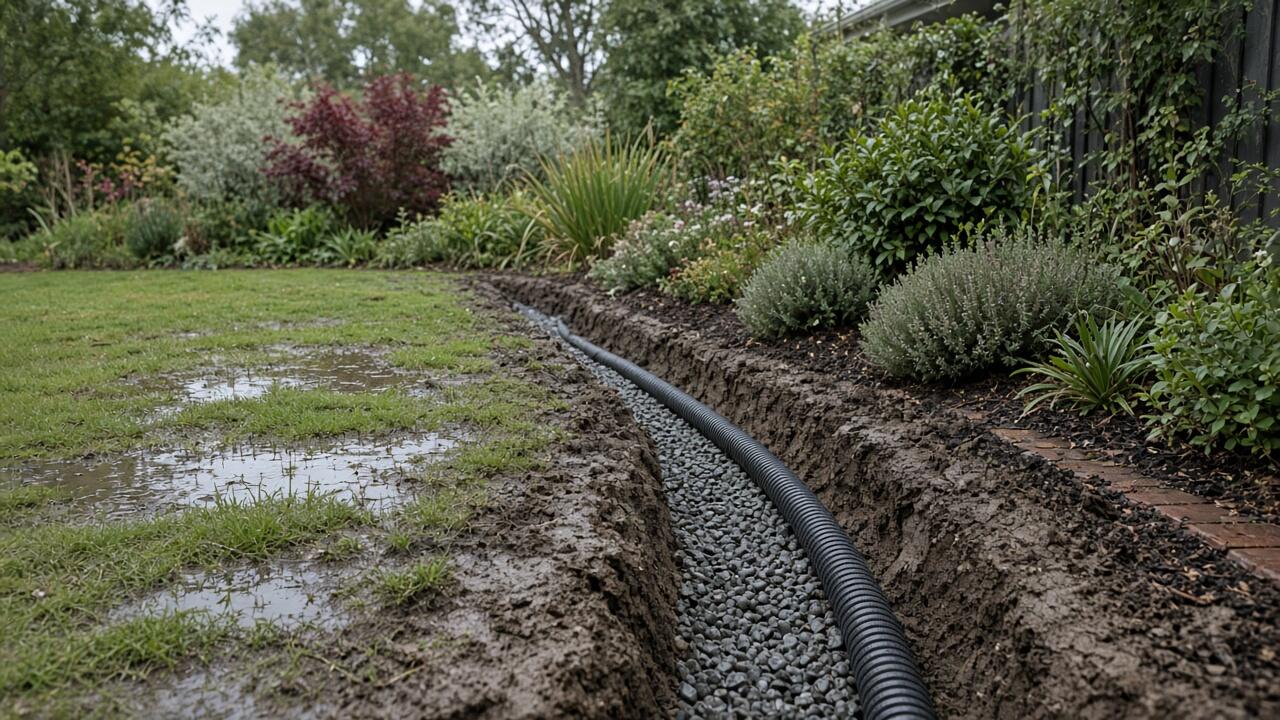
Persistent wet spots in Australian gardens frustrate homeowners: areas that remain boggy after rain, lawn sections that never drain properly, garden beds too saturated for successful planting, and muddy patches turning outdoor areas unusable for days following Melbourne downpours. These localised drainage problems often respond to French drain solutions—simple subsurface trenches filled with gravel and perforated pipe that intercept and redirect water away from problem areas.
French drains differ from comprehensive property drainage systems requiring professional engineering. Garden French drains address specific wet spots through shallow trenches (300-600mm depth) that intercept surface and near-surface water before it accumulates in problematic locations. This targeted approach suits DIY installation for capable homeowners willing to dig trenches, understand drainage principles, and work within system limitations.
Yet French drains aren’t universal solutions. Permanent groundwater problems, large-scale property drainage issues, and situations involving structures, stormwater regulations, or neighbour boundaries often exceed French drain capability and demand professional assessment. Understanding when garden French drains work, how to install them correctly, and when problems require plumbers or civil engineers versus landscape contractors prevents wasted effort on inadequate solutions whilst identifying appropriate DIY drainage opportunities.
What a French Drain Actually Is
French drains are simple yet effective drainage systems.
Basic Components
Trench:
- Dug to intercept water flow
- Typically 300-600mm deep (garden applications)
- 300-450mm wide
- Graded with fall to drainage outlet
- Located upslope of wet area
Perforated pipe (agricultural pipe):
- 100mm (4 inch) diameter typical
- Slots or perforations allow water entry
- Laid in trench bottom
- Sloped toward outlet (minimum 1:100 fall)
- Carries collected water away
Gravel fill:
- Surrounds and covers pipe
- Free-draining aggregate (10-20mm blue metal)
- Fills trench to near surface
- Allows water infiltration to pipe
- Filters sediment before reaching pipe
Geotextile fabric:
- Lines trench (optional but recommended)
- Wraps around gravel (prevents soil intrusion)
- Filters water whilst blocking fine particles
- Extends system lifespan
- Cheap insurance against clogging
Surface layer:
- Topsoil over gravel (if planting)
- Gravel to surface (visible drainage strip)
- Turf over (invisible system)
- Depends on aesthetic preference and location
How It Works
Water interception:
- Water flows downhill through soil
- Encounters gravel-filled trench
- Gravel provides easy infiltration path
- Water enters trench rather than continuing to wet spot
- Pipe collects water from gravel and carries away
Gravity drainage:
- Pipe sloped toward outlet
- Water flows downhill within pipe
- Daylight outlet or connection to stormwater
- No pumps required (gravity-fed)
- Must have adequate fall and suitable outlet
Load reduction:
- Intercepts water before reaching problem area
- Reduces saturation in targeted zone
- Doesn’t eliminate all water (just reduces excess)
- Manages typical rainfall events
- May be overwhelmed in extreme rain (acceptable)
What French Drains Do and Don’t Fix
Suitable problems:
- Localised wet spots in lawn or garden
- Water pooling in low areas after rain
- Boggy sections preventing plant success
- Seasonal wet areas (winter wet, summer dry)
- Surface water accumulation
- Shallow subsurface water (top 300-600mm)
Unsuitable problems:
- Permanent high water table (groundwater always present)
- Springs or underground water sources
- Basement or structural water (need professional)
- Large-scale property flooding
- Clay soil with nowhere for water to drain to
- Situations requiring permits or engineering
Realistic expectations:
- Improves drainage (doesn’t create desert)
- Reduces wet days from weeks to days
- May still be damp after heavy rain (normal)
- Maintenance required (systems clog over time)
- Lifespan 10-30 years depending on installation and soil
- Modest cost, modest solution (not comprehensive drainage engineering)
For broader garden drainage strategies and professional requirements, see our guide on garden drainage fixes for wet Victorian yards.
DIY Installation Steps
Garden French drains within capable DIY scope with proper technique.
Planning and Design
Identify problem area:
- Where does water pool?
- How long does it stay wet?
- Where does water come from (upslope)?
- How large is affected area?
- Observe during rain events
Design trench location:
- Upslope of problem area (intercept water before it reaches)
- Across slope (perpendicular to water flow direction)
- Or along slope (parallel to flow) if intercepting runoff
- Consider access for digging
- Avoid tree roots, utilities
Find outlet:
- Lower ground where water can daylight
- Stormwater connection (if permitted)
- Drainage easement
- Street gutter (check council rules)
- Must be lower than problem area (gravity flow)
Critical: No outlet = pointless exercise. Water must be able to exit somewhere. If no outlet available, French drain won’t work (need alternative solution).
Check fall:
- Measure elevations (simple string and level)
- Need minimum 1:100 fall (1m drop per 100m length)
- Steeper better (improves flow)
- Insufficient fall = poor drainage or standing water in pipe
- Consider contour of land
Length and capacity:
- Longer trench collects more water
- Typical garden French drain: 5-15m length
- Multiple drains may be needed (large wet areas)
- Excessive length reduces flow (consider multiple outlets)
Excavation
Mark trench route:
- String line and stakes
- Paint line on ground
- Check for utilities (Dial Before You Dig - free service)
- Mark irrigation lines, electrical cables
- Avoid established tree roots (large roots)
Dig trench:
- 300-600mm deep typical (garden applications)
- 300-450mm wide
- Maintain even grade (check with string line and level)
- Stockpile soil adjacent (backfill later)
- Remove rocks and debris from trench bottom
Depth considerations:
- Deeper intercepts more water (better)
- But harder to dig and more expensive
- 400-500mm sweet spot (adequate drainage, reasonable effort)
- Clay soils may need deeper (600mm)
- Sandy soils effective shallower (300-400mm)
Trench bottom preparation:
- Smooth, even grade
- Remove loose soil (compact slightly)
- Check fall with spirit level
- 100mm compacted gravel base
- Ready for pipe installation
Pipe and Gravel Installation
Lay geotextile fabric (optional but recommended):
- Line trench sides and bottom
- Overlap edges generously
- Allows water through, blocks soil
- Non-woven landscape fabric
- Extends system life by preventing gravel clogging
Gravel base:
- 100mm compacted gravel in trench bottom
- 10-20mm blue metal or road base
- Smooth surface for pipe
- Compacted firmly (hand tamp)
Lay agricultural pipe:
- 100mm diameter slotted ag pipe
- Slots facing DOWN (critical - upward slots clog immediately)
- Maintain grade (check with level)
- Join sections with couplings (if multiple pipes)
- Extend past problem area at both ends
Common mistakes:
- Slots facing up (clogs with silt)
- Insufficient fall (water doesn’t flow)
- Wrong pipe type (solid stormwater pipe doesn’t collect water)
- Crushed pipe (careful during backfilling)
Gravel surround:
- Backfill gravel around and over pipe
- Minimum 100mm gravel above pipe
- Total gravel depth: 300-400mm typical
- Leave 100-150mm top of trench for soil
- Don’t over-compact gravel (reduces drainage voids)
Wrap fabric (if using):
- Fold geotextile over gravel
- Complete enclosure of gravel zone
- Overlap generously (300mm)
- Prevents soil washing into gravel from above
Backfilling and Finishing
Soil layer:
- Backfill with removed soil (if good quality)
- Or import topsoil for better surface
- 100-150mm depth over gravel/fabric
- Firm but not compacted heavily
- Allows planting or turfing
Surface options:
Turfed (invisible):
- Lay turf over backfilled soil
- Water regularly until established
- May sink slightly as backfill settles
- Unobtrusive aesthetic
- Slightly slower drainage (water must infiltrate through turf)
Gravel to surface (visible strip):
- Gravel filled to just below surface
- Thin soil/mulch layer (50mm)
- Visible drainage strip through lawn
- Faster infiltration (no turf layer)
- Functional aesthetic
Garden bed:
- Incorporate into garden bed
- Plant over (avoid deep-rooted plants directly over pipe)
- Mulch surface
- Drainage hidden in landscaping
- Good option if French drain runs through planting area
Outlet protection:
- Ensure outlet daylights visibly
- Stone or gravel splash pad prevents erosion
- Rodent guard (mesh over pipe outlet)
- Mark location for future reference
- Keep clear of debris
Testing
Water test before backfilling:
- Pour water into trench (before topsoil layer)
- Observe flow toward outlet
- Check for pooling or reverse flow
- Fix grade problems now (easier than after backfilling)
- Confirm outlet discharges
Monitor after rain:
- First rain event tests system
- Check outlet flows during rain
- Verify wet spot improved
- May need adjustments (additional drains, deeper trench)
- Give system time (may take 2-3 rain events to see full effect)
When to Hire Plumber vs Landscaper
Different drainage problems require different professionals.
Hire a Plumber When:
Structural water issues:
- Water entering basement or subfloor
- Damp walls or foundations
- Rising damp
- Stormwater connections to council mains
- Plumbing-related drainage (downpipes, fixtures)
Regulatory requirements:
- Work requires plumbing permit
- Council stormwater regulations
- Connection to sewer or stormwater mains
- Work on shared drains (neighbours)
- Legal compliance essential
Pressure or pumped systems:
- Sump pumps required
- Drainage where gravity insufficient
- Pressurised systems
- Backflow prevention
Cost:
- Plumbers: $100-150+ per hour
- Drainage assessment: $200-500
- Installation: quote-based (often $2,000-8,000+)
- Higher rates reflect licensing, insurance, regulatory knowledge
Hire Landscaper or Drainage Contractor When:
Garden and yard drainage:
- Wet spots in lawn or garden beds
- Surface water management
- Swales and garden French drains
- Grading and contouring
- Ag pipe installation (not connected to mains)
Hardscape drainage:
- Retaining wall drainage (ag pipe systems)
- Patio and driveway drainage
- Garden bed drainage
- Non-structural outdoor water management
Aesthetic integration:
- Drainage solutions integrated into landscape design
- Visible drainage features
- Planting and earthwork coordination
- Mulch and gravel features
Cost:
- Landscape contractors: $60-100 per hour
- Garden French drain installation: $50-100 per linear metre
- Assessment and design: $200-800
- More affordable than licensed plumbers for non-regulated work
DIY Appropriate When:
Simple garden drainage:
- Small wet spots (under 20 square metres)
- Shallow French drains (under 600mm)
- Daylight outlets (not mains connections)
- No structural involvement (buildings, foundations)
- No tree roots or major utilities
- Comfortable with physical labour (digging trenches)
Skills required:
- Basic grading and levelling
- Trenching and digging
- Understanding drainage principles
- Physical fitness (digging is hard work)
- Problem-solving (adjust as you go)
Realistic assessment:
- Capable DIY for experienced homeowners
- Not first-time DIY project
- Requires full day or weekend
- Physically demanding
- Some trial and error normal
Cost savings:
- Professional French drain: $800-1,500 (10m length)
- DIY materials: $200-400
- Savings: $400-1,100
- Labour is most expensive component
- Justifies DIY for budget-conscious and capable homeowners
Peninsula Clay Soil Challenges
Clay soils complicate French drain installation and effectiveness.
Clay Characteristics
Why clay is difficult:
- Heavy, dense soil
- Low permeability (water doesn’t infiltrate through clay)
- Sticky when wet (hard to dig)
- Rock-hard when dry
- Expands when wet, shrinks when dry
- Common in parts of Peninsula and Melbourne
Impact on French drains:
- Water reaches trench slowly (clay doesn’t release water quickly)
- May need deeper or wider trenches
- Gravel zone more critical (provides permeable pathway)
- Outlet must be very reliable (water has nowhere else to go)
- Higher risk of system overwhelm (clay doesn’t absorb excess)
Clay-Specific Installation Tips
Wider gravel zones:
- 400-600mm wide trench (versus 300mm in sandy soil)
- More gravel provides larger collection area
- Compensates for poor lateral water movement
- Intercepts larger area
Deeper trenches:
- 500-600mm depth minimum
- Reaches below worst clay (sometimes better soil below)
- Provides more collection capacity
- Handles heavy rain events better
Additional trenches:
- Clay sites may need multiple parallel French drains
- Space 2-3 metres apart
- Increases total collection area
- Better coverage for large wet spots
Surface drainage critical:
- Grade surface away from problem area
- Don’t rely solely on subsurface drain
- Swales and surface channels helpful
- Multiple strategies more effective than single solution
Realistic expectations:
- French drains less effective clay versus sand
- Improvement not elimination (clay always slow-draining)
- Wet spot becomes less wet (not dry)
- Heavy rain still causes temporary saturation
- Clay demands patience and realistic expectations
Alternative Strategies for Clay
Raised garden beds:
- Elevate planting above clay
- Better drainage than in-ground
- Imported quality soil
- Effective for garden beds (not lawns)
- Avoids fighting clay
Surface swales:
- Shallow surface channels
- Directs water away before infiltrating
- Easier than deep French drains
- Planted swales attractive
- Suits gentle slopes
French drains with subsoil connection:
- Deep French drain (1m+) reaches below clay
- Professional installation typically
- Connects to deeper sand or drainage layer
- Expensive but more effective clay
- Beyond DIY scope
Professional assessment:
- Clay drainage problems complex
- Professional drainage contractor or engineer
- Geotechnical assessment in severe cases
- May require comprehensive drainage design
- Investment worthwhile severe clay problems
For comprehensive clay soil management including structural drainage requirements, see our guide on retaining wall drainage requirements and water management.
Maintenance and Longevity
French drains require periodic maintenance for continued performance.
Expected Lifespan
Well-installed French drains:
- 15-30 years typical
- Depends on soil, water volume, installation quality
- Geotextile fabric extends life significantly
- Sandy soils longer life (less clogging)
- Clay soils shorter life (sediment intrusion)
Signs of aging:
- Reduced flow from outlet during rain
- Wet spot returning gradually
- Outlet dry even during rain events
- Surface sinking over trench (settling)
- Vegetation changes (wetter-loving plants appearing)
Maintenance Tasks
Annual inspection:
- Check outlet flows during rain
- Clear outlet of debris or vegetation
- Verify surface drainage still directing water correctly
- Inspect for surface settling
- Look for new wet spots
Outlet maintenance:
- Clear rodent guards of leaves and debris
- Remove vegetation growing over outlet
- Maintain erosion protection (splash pad)
- Ensure free discharge
- 10 minutes annually prevents outlet blockage
Surface maintenance:
- Top up settled areas with soil
- Maintain surface grading away from drain
- Control deep-rooted plants over drain
- Don’t drive heavy machinery over drain
- Minimal ongoing effort
Periodic flushing:
- Every 5-10 years, flush pipe with hose
- Clears accumulated sediment
- Extends system life
- Identifies blockages early
- Simple preventative maintenance
Extending Lifespan
Quality installation:
- Geotextile fabric (prevents clogging)
- Adequate gravel volume
- Proper pipe orientation (slots down)
- Good grade (positive flow)
- Initial quality determines longevity
Protect from roots:
- Avoid planting trees directly over drain
- Tree roots seek water (will find pipe)
- Roots can crush or clog pipe
- Plant trees at least 3m away
- Small shrubs and perennials acceptable
Avoid compaction:
- Don’t drive vehicles over French drain
- Heavy loads crush pipe or compact gravel
- Reduces drainage capacity
- Plan access routes accordingly
Failure and Replacement
When French drains fail:
- Pipe crushed or collapsed
- Gravel zone clogged with sediment
- Outlet blocked or destroyed
- Tree roots invaded system
- Inadequate initial installation
Repair vs replace:
- Minor outlet blockages: clean and repair
- Localised pipe damage: excavate and replace section
- Widespread clogging: usually requires complete replacement
- Major root intrusion: remove roots and replace
- Assess cost of repair versus new installation
Replacement cost:
- Similar to initial installation
- Excavation potentially easier (know where pipe is)
- Opportunity to improve design (learn from original)
- Professional replacement: $800-2,000 typical
- DIY replacement: $200-500 materials
Common Mistakes and How to Avoid
Installation Errors
Insufficient fall:
- Most common mistake
- Pipe needs minimum 1:100 gradient
- Check with string line and level before backfilling
- Water pools in level sections
- Prevention: careful measurement during installation
Slots facing up:
- Second most common error
- Upward slots clog immediately with silt
- Renders pipe useless
- Prevention: mark pipe before laying, install slots down
Wrong pipe type:
- Solid stormwater pipe versus slotted ag pipe
- Solid pipe doesn’t collect water from trench
- System appears complete but non-functional
- Prevention: specify agricultural pipe with slots
No outlet or inadequate outlet:
- Pipe terminates in dead end
- Or outlets into area that floods
- Water collects but can’t discharge
- Prevention: verify outlet before digging trench
Inadequate gravel:
- Thin gravel layer (50-100mm)
- Clogging rapid
- Poor drainage performance
- Prevention: use 300-400mm total gravel depth
Design Mistakes
Drain in wrong location:
- Downslope of wet spot (too late to intercept water)
- Doesn’t intercept water source
- Problem continues despite drain
- Prevention: observe water flow patterns during rain, intercept upslope
Insufficient capacity:
- Single small drain for large wet area
- Overwhelmed by water volume
- Partial improvement only
- Prevention: multiple drains or larger system for big problems
Ignoring surface water:
- Focus solely on subsurface drain
- Surface water overwhelms system
- Surface grading equally important
- Prevention: integrated surface and subsurface approach
Unrealistic expectations:
- Expecting desert in clay soil
- French drain can’t overcome fundamentals (high water table, springs, severe clay)
- Some problems need professional solutions
- Prevention: understand limitations, realistic goals
Professional Assessment Value
When Professional Assessment Worthwhile
Complex problems:
- Large wet areas (over 50 square metres)
- Multiple wet spots across property
- Wet year-round (not just winter)
- Near structures or foundations
- Neighbouring property water issues
High stakes:
- Expensive landscaping at risk
- Structural concerns (foundations, retaining walls)
- Property access issues (driveway, paths)
- Resale value considerations
- Professional design justifies cost
Permit requirements:
- Work near boundaries
- Stormwater main connections
- Council regulations triggered
- Engineered solutions required
- Professional necessary for approvals
What Professionals Provide
Site assessment:
- Soil testing (percolation tests)
- Topographic survey (accurate grading)
- Water table evaluation
- Comprehensive drainage plan
- Suitable solution identification
Design services:
- Drainage system design
- Outlet location and sizing
- Integration with existing drainage
- Engineered plans (if required)
- Permit application support
Installation quality:
- Proper equipment (excavators, laser levels)
- Experienced crew (efficient, correct techniques)
- Warranty on work
- Council inspections passed
- Professional liability insurance
Cost:
- Assessment: $300-800
- Design: $500-2,000 (complex projects)
- Installation: $2,000-10,000+ (varies widely)
- Value: peace of mind, guaranteed results, time savings
Final Thoughts
Garden French drains offer practical DIY-accessible solutions for localised drainage problems—persistent wet spots, seasonal boggy areas, and shallow subsurface water accumulation preventing successful lawn and garden establishment. These simple gravel-filled trenches with perforated pipe intercept and redirect water away from problem areas through gravity drainage requiring no pumps or complex engineering.
Suitable applications:
- Localised wet spots under 20-30 square metres
- Seasonal drainage problems (winter wet, summer dry)
- Surface and shallow subsurface water (top 300-600mm)
- Sites with adequate fall and available outlet
- Non-structural garden and lawn drainage
- DIY-capable homeowners accepting physical labour
Installation essentials:
- 300-600mm deep trench intercepting water upslope of problem area
- 100mm agricultural pipe (slots facing DOWN, not up) with minimum 1:100 fall
- 300-400mm gravel surround (10-20mm blue metal) providing drainage pathway
- Geotextile fabric wrapping gravel zone preventing clogging
- Reliable outlet daylighting to lower ground or stormwater connection
Cost reality (10m garden French drain):
- DIY materials: $200-400 (pipe, gravel, fabric)
- DIY labour: one-two days physical work
- Professional installation: $800-1,500
- Savings justify DIY for capable homeowners
- Professional worthwhile for complex sites or multiple drains
Peninsula clay soil challenges: Clay soils (common some Peninsula and Melbourne areas) complicate French drain effectiveness. Water infiltrates slowly through clay, requiring wider trenches (400-600mm versus 300mm sandy soils), deeper installation (500-600mm), and realistic expectations (improvement not elimination of dampness). Clay sites often benefit from multiple parallel drains, surface swales directing water before infiltration, and professional assessment for severe problems. Sandy Peninsula soils naturally favour French drains (high permeability, good drainage response).
DIY versus professional decision: Garden French drains within DIY capability for experienced homeowners comfortable with physical work, basic levelling skills, and drainage principles. Reserve DIY for simple sites (available outlet, no utilities, non-structural), small wet spots, and situations where trial-and-error acceptable. Hire licensed plumber for structural water issues (basements, foundations), stormwater main connections, and regulatory requirements. Hire landscape drainage contractor for complex garden drainage, multiple drains, professional grading, and situations demanding guaranteed results. Clay soils and large wet areas often justify professional assessment.
Limitations and alternatives: French drains don’t fix permanent groundwater problems, springs, high water tables, or situations requiring engineering solutions. Basement water, foundation drainage, and structural issues demand licensed professionals. Large-scale property flooding requires comprehensive drainage design beyond French drain capability. When French drains unsuitable, alternatives include raised garden beds (elevate planting above poor drainage), surface swales (prevent water infiltrating), professional subsoil drainage (deep systems reaching permeable layers), or accepting site limitations through plant selection (water-tolerant species).
Maintenance and longevity: Properly installed French drains last 15-30 years with minimal maintenance. Annual outlet inspection (clear debris), periodic flushing (every 5-10 years), and protecting from tree roots and vehicle compaction sustains performance. Geotextile fabric-wrapped systems last longer (prevents gravel clogging). Eventually sediment accumulation or root intrusion requires replacement. Signs of failure include wet spot returning, outlet not flowing during rain, and surface settling. Replacement cost similar to initial installation; opportunity to improve design based on original performance.
Realistic expectations: French drains improve drainage conditions, not create perfect drainage where site fundamentals poor. Clay soils remain slower-draining than sandy soils regardless of French drain installation. Heavy rain events may still cause temporary saturation (normal and acceptable). Success means reducing wet days from weeks to days, improving lawn and garden health, and making previously unusable areas functional. Perfect drainage unrealistic expectation; significant improvement realistic outcome.
Garden French drains represent practical intermediate solution between accepting poor drainage and investing in comprehensive professional drainage systems. For localised wet spots compromising lawn and garden success, DIY French drains deliver cost-effective improvements within weekend DIY capability whilst reserving professional services for complex problems genuinely requiring licensed expertise, engineering design, or situations where drainage failures risk structural damage or regulatory non-compliance.
Need a Hand?
Professional lawn and garden services when you need them. Get a quote from our trusted Peninsula partners.
Contact Mowing Magic or Peninsula Hard Yards →Disclosure: We share links to related local services that serve our readers in the Peninsula area.