Residential Garden Irrigation Basics: What Peninsula Homeowners Need to Know
Essential irrigation knowledge for Mornington Peninsula gardens. Learn system types, watering needs, timing, common mistakes, and when to upgrade from manual watering.
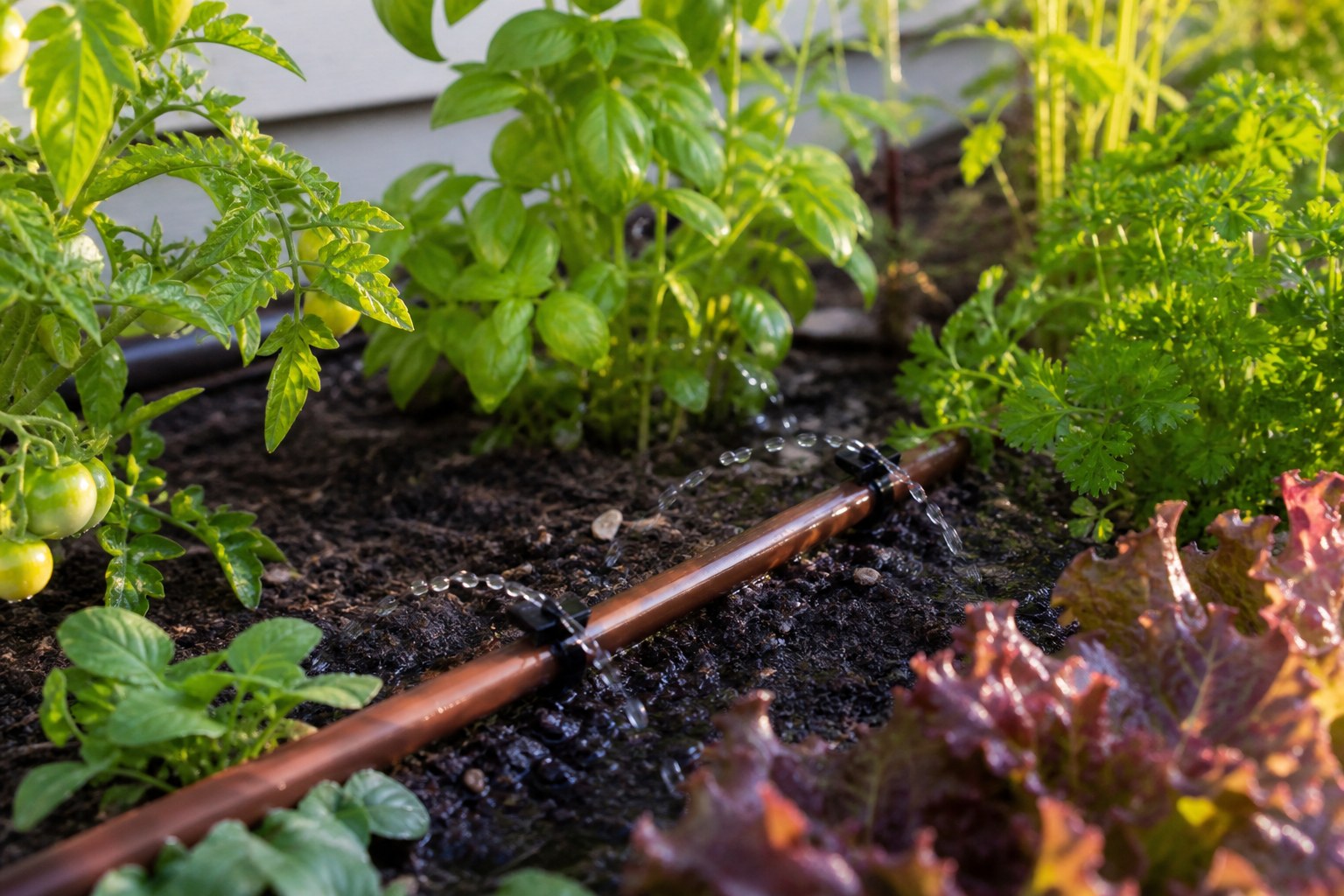
Water is the lifeblood of Peninsula gardens, but getting irrigation right is trickier than most people think. Too much and you drown plants and waste water. Too little and plants stress, fail to establish, or die.
Here’s what you need to know about residential garden irrigation, from hoses to automated systems.
Understanding Your Water Needs
Not all gardens need the same watering approach:
Lawn Areas
- Need frequent, even coverage
- Shallow watering encourages shallow roots
- Deep, infrequent watering builds drought tolerance
- Different grass types have different needs
Established Garden Beds
- Native plants often need minimal supplemental water once established
- Exotic ornamentals may need regular summer watering
- Mulch dramatically reduces water requirements
- Root zone watering is more efficient than overhead
New Plantings
- Critical watering for first 6-12 months
- More frequent but lighter watering initially
- Gradually reduce frequency as roots establish
- Inconsistent watering causes establishment failure
Vegetables and Annuals
- High water needs during active growth
- Consistent moisture produces better results
- Irregular watering causes stress and poor yields
Established Trees and Shrubs
- Often need far less water than people provide
- Occasional deep watering beats frequent shallow watering
- Over-watering is common and harmful
Manual Watering Systems
Hoses and Sprinklers
Pros:
- Low cost to set up
- Complete control over where and when
- No installation complexity
- Easy to adjust
Cons:
- Labor-intensive
- Easy to forget or skip
- Inconsistent coverage
- Water waste from poor aim or runoff
- Tying up your hose for hours
Best for:
- Small properties
- Supplemental watering
- People who enjoy watering as a mindful activity
- Budget-conscious start
Soaker Hoses
Pros:
- Water right at soil level (minimal evaporation)
- Inexpensive
- Easy to install
- Can snake around plants
Cons:
- Eventually clog or degrade
- Still require manual turning on/off
- Uneven water distribution over length
- Visible unless buried/mulched
Best for:
- Garden bed borders
- Temporary vegetable gardens
- Hedge rows
- Budget drip irrigation alternative
Automated Irrigation Systems
Drip Irrigation
How it works: Low-pressure system delivering water slowly and directly to root zones through tubes, emitters, or microsprays.
Pros:
- Extremely water-efficient (minimal evaporation/runoff)
- Targets root zones precisely
- Can be automated with timers
- Flexible design for complex beds
- Leaves foliage dry (reduces disease)
Cons:
- Higher initial cost
- Installation requires planning
- Emitters can clog (water quality dependent)
- Needs maintenance and adjustments
- Can be damaged by garden work
Best for:
- Garden beds
- Vegetable gardens
- Individual trees and shrubs
- Water-conscious homeowners
- Irregular bed shapes
Pop-Up Sprinkler Systems
How it works: Underground pipes with pop-up sprinkler heads on zones controlled by automated timer/controller.
Pros:
- “Set and forget” automation
- Even coverage of large areas
- Hidden when not in use
- Professional appearance
- Programmable schedules and zones
Cons:
- Expensive to install properly
- Complex installation (often professional job)
- Harder to modify later
- Overspray onto paths, fences, etc.
- More water use than drip systems
- Requires ongoing maintenance
Best for:
- Lawns
- Large properties
- Homeowners wanting convenience
- Properties with dedicated garden irrigation zones
Combination Systems
Many Peninsula properties use hybrid approaches:
- Pop-up sprinklers for lawn
- Drip irrigation for garden beds
- Manual watering for pots and vegetables
This targets water delivery to each area’s needs.
Watering Schedules and Timing
Time of Day
Best: Early morning (5-9 AM)
- Less wind
- Cooler temperatures = less evaporation
- Foliage dries through the day (reduces disease)
- Minimal interference with activities
Acceptable: Evening (6-8 PM)
- Cooler temperatures
- But foliage stays wet overnight (disease risk)
- Can encourage snails and slugs
Avoid: Midday
- High evaporation
- Water droplets can magnify sun (leaf burn)
- Wasteful
- Uncomfortable for anyone using the garden
Frequency vs Duration
Better approach: Less frequent, deeper watering
- Encourages deep root growth
- Builds drought tolerance
- More efficient water use
Poor approach: Frequent light watering
- Encourages shallow roots
- Plants less resilient
- More water waste
- More disease pressure
Example:
- Lawn: 20-30mm once or twice per week (summer) vs. 5mm daily
- Garden beds: Deep soak weekly vs. light sprinkle daily
Seasonal Adjustments
Spring:
- Increase watering as growth accelerates
- Monitor established plants coming out of dormancy
- Focus on new plantings
Summer:
- Peak watering demands
- May need 2-3 times per week in hot spells
- Adjust for rainfall (or lack of it)
- Coastal areas need less than inland
Autumn:
- Gradually reduce frequency
- Good rainfall usually reduces need
- Don’t abandon completely - autumn lawn care still needs moisture
Winter:
- Minimal to no supplemental watering for most established plants
- Focus on drainage, not irrigation
- Potted plants still need attention
Peninsula-Specific Considerations
Water Restrictions
Victorian water restrictions vary by region and season:
- Know your current restriction level
- Automated systems must comply (timers, days)
- Hand-held hose watering often has exemptions
- Check with your water authority
Soil Types
Sandy soils (common near coast):
- Drain quickly
- Need more frequent watering
- Benefit from organic matter addition
- Drip irrigation works well
Clay soils (common inland):
- Hold water longer
- Can become waterlogged
- Need less frequent watering
- Risk of runoff if applied too fast
Coastal vs Inland
Coastal properties:
- Milder temperatures
- Higher humidity
- Salt tolerance considerations
- Often need less supplemental water
Inland properties:
- Greater temperature extremes
- Lower humidity
- Higher evaporation rates
- More intensive irrigation needs
Common Irrigation Mistakes
1. Watering Too Lightly, Too Often
Creates weak, shallow-rooted plants. Water deeply and less frequently.
2. Fixed Schedules Ignoring Weather
Watering on schedule after 40mm of rain wastes water and harms plants. Adjust for actual conditions.
3. Sprinklers Running During Rain
Common with automated systems people forget to adjust. Invest in a rain sensor.
4. Over-Watering Established Natives
Many Australian natives are killed by kindness. Once established, they need far less water than exotic plants.
5. Ignoring System Maintenance
Broken heads, clogged emitters, leaking fittings - these waste water and create uneven coverage. Check regularly.
6. Evening Watering of Fungal-Prone Plants
Leaving foliage wet overnight invites disease in susceptible plants.
7. Uniform Watering for Different Plant Types
Sun-loving vs shade plants, natives vs exotics, lawn vs beds - they all have different needs. Zone your irrigation accordingly.
Smart Controllers and Technology
Modern irrigation controllers offer:
- Weather-based adjustments
- Smartphone control and monitoring
- Leak detection
- Soil moisture sensor integration
- Water use reporting
Worth it if:
- You travel frequently
- You want detailed control
- You’re serious about water efficiency
- You have complex watering needs
Skip it if:
- Basic timer does the job
- Small, simple system
- Budget-conscious
- You prefer manual control
Evaluating Your Current System
Ask yourself:
Is watering taking too much of your time? → Consider automation
Are plants consistently stressed or dying? → Insufficient or inconsistent watering
Is your water bill excessive? → Over-watering or inefficient system
Do you forget to water regularly? → Automation or lower-maintenance plants
Are some areas always too wet/dry? → Poor system design or coverage
DIY Installation vs Professional
DIY Drip Irrigation
Feasible if:
- Small to medium scale
- You’re reasonably handy
- You can plan layout thoughtfully
- You’re willing to learn and adjust
Kits and components available from hardware stores and specialist irrigation suppliers.
DIY Pop-Up Systems
Not recommended unless:
- You have plumbing experience
- You understand hydraulics and zone design
- You can trench and work with poly pipe
- You’re confident in electrical connections (for controller)
Most homeowners are better served by professionals for in-ground systems.
Professional Installation
Worth the cost for:
- Pop-up lawn systems
- Large properties
- Complex zoning requirements
- When you want guaranteed results
- Integration with landscaping
Professional systems typically include:
- Proper design and zone planning
- Quality components
- Correct installation
- Programming and testing
- Warranty
Maintenance Requirements
All systems need maintenance:
Manual systems:
- Replace degraded hoses
- Check connections for leaks
- Clean sprinkler heads
Drip systems:
- Flush lines periodically
- Replace clogged emitters
- Check for damage from garden work
- Adjust as plants grow
Pop-up systems:
- Check heads for damage/misalignment
- Adjust spray patterns seasonally
- Blow out lines (not usually needed in Peninsula climate)
- Controller battery replacement
- Seasonal programming updates
Plan for annual system check-up. Many irrigation specialists offer maintenance services.
Making the Investment Decision
Consider upgrading from manual to automated if:
- You travel regularly
- Watering time impacts quality of life
- Plants struggle due to inconsistent watering
- You’re renovating gardens and can install infrastructure
- Water efficiency is important to you
Stick with manual if:
- Small, manageable property
- You enjoy the watering ritual
- Budget is tight
- Garden layout changes frequently
- Current system works well
Final Thoughts
Good irrigation is about matching water delivery to plant needs as efficiently as possible. This means:
- Right amount (not too much, not too little)
- Right frequency (deep and infrequent)
- Right timing (morning where possible)
- Right method (appropriate to plant type and location)
Start with what you have. Improve incrementally:
- Add timers to existing systems
- Install drip lines in problem beds
- Upgrade one zone at a time
- Get professional help for major installations
Your goal is plants that thrive with minimum water waste and minimum time investment from you.
If you’re planning significant garden improvements - new beds, plantings, garden tidying - that’s the time to upgrade irrigation. Integrate it with the work rather than retrofitting later.
And remember: the best irrigation system is the one that actually works for your lifestyle, property, and plants. Complexity that you won’t maintain is worse than simplicity that you will.
Need a Hand?
Garden bed installation, planting, and maintenance services. Get a quote from our trusted Peninsula partners.
Contact Peninsula Hard Yards →Disclosure: We share links to related local services that serve our readers in the Peninsula area.